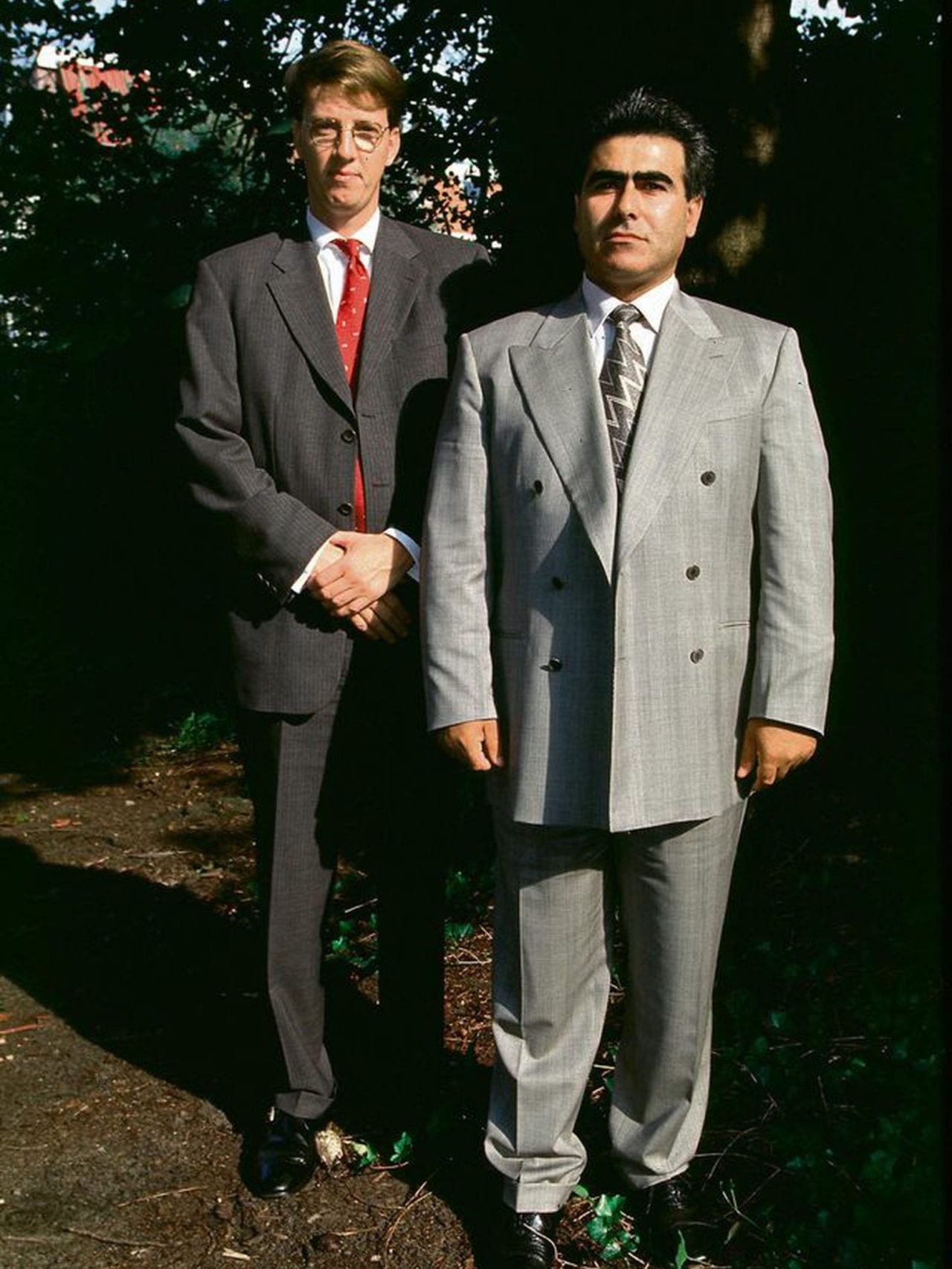
El apellido Baybaşin ha vuelto a surgir en una indagación relacionada con un intento de homicidio en Europa. El episodio más reciente se registró el 30 de diciembre de 2025 en Düsseldorf, donde Çağdaş Baybaşin, de 40 años y sobrino del célebre narcotraficante Hüseyin Baybaşin, fue atacado a tiros mientras se encontraba en un taxi. Los enfrentamientos entre las facciones criminales turcas continúan generando preocupación en todo el continente, como ha sido evidente en varias ocasiones en España. Recientemente, se han recordado los enfrentamientos entre los Dalton y los Casper, así como el asesinato en Barcelona de Tekin Kartal, quien fue tiroteado y mantenía vínculos con la histórica familia Baybaşin. ¿Puede haber alguna conexión entre estos crímenes? Quizás nunca se logre probar, pero parece que sí existe.
En el incidente más reciente, que tuvo lugar en Alemania, los agresores dispararon hasta diez veces contra el automóvil del sobrino del capo, logrando impactar a la víctima con siete de los proyectiles, lo que le causó heridas graves y requirió su traslado urgente a un hospital. Afortunadamente, logró sobrevivir al ataque.
La escena, que fue reconstruida posteriormente por los investigadores alemanes, exhibe todos los elementos característicos de un ajuste de cuentas: un vehículo persiguiendo a la víctima, varios individuos aguardando el momento adecuado para abrir fuego y una rápida huida tras descargar las armas contra el taxi.
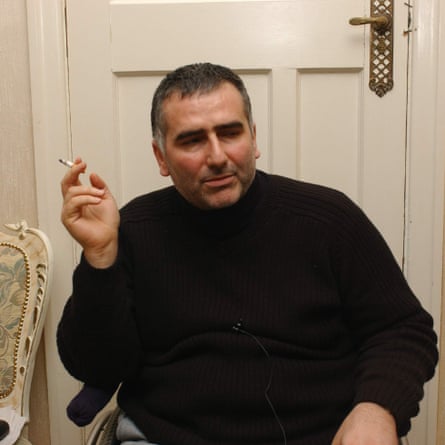
El caso ha finalizado en los tribunales, y el juicio se inició en Düsseldorf el 7 de septiembre bajo estrictas medidas de seguridad. Dos hombres están acusados de haber participado directamente en el intento de asesinato, mientras que un tercero está acusado de colaborar en el ataque, y un cuarto sospechoso sigue en paradero desconocido. La Fiscalía alemana sostiene que el tiroteo podría estar vinculado a una disputa entre organizaciones criminales con conexiones en diversos países europeos.
La elección del objetivo tampoco parece ser fortuita. Poco antes de ser atacado, Çağdaş Baybaşin había participado en una manifestación frente al consulado de los Países Bajos en Düsseldorf, donde pedía la liberación de su tío Hüseyin, quien está encarcelado en Holanda y condenado a cadena perpetua. Tras la protesta, abordó un taxi y comenzó el trayecto que pronto se convertiría en una emboscada.
Según la reconstrucción del caso, otro vehículo comenzó a seguir al taxi hasta que sus ocupantes encontraron una oportunidad para adelantarlo, salir del coche y disparar contra el pasajero. La investigación alemana se centra ahora en determinar quién emitió la orden y cuál fue el motivo exacto detrás del ataque.
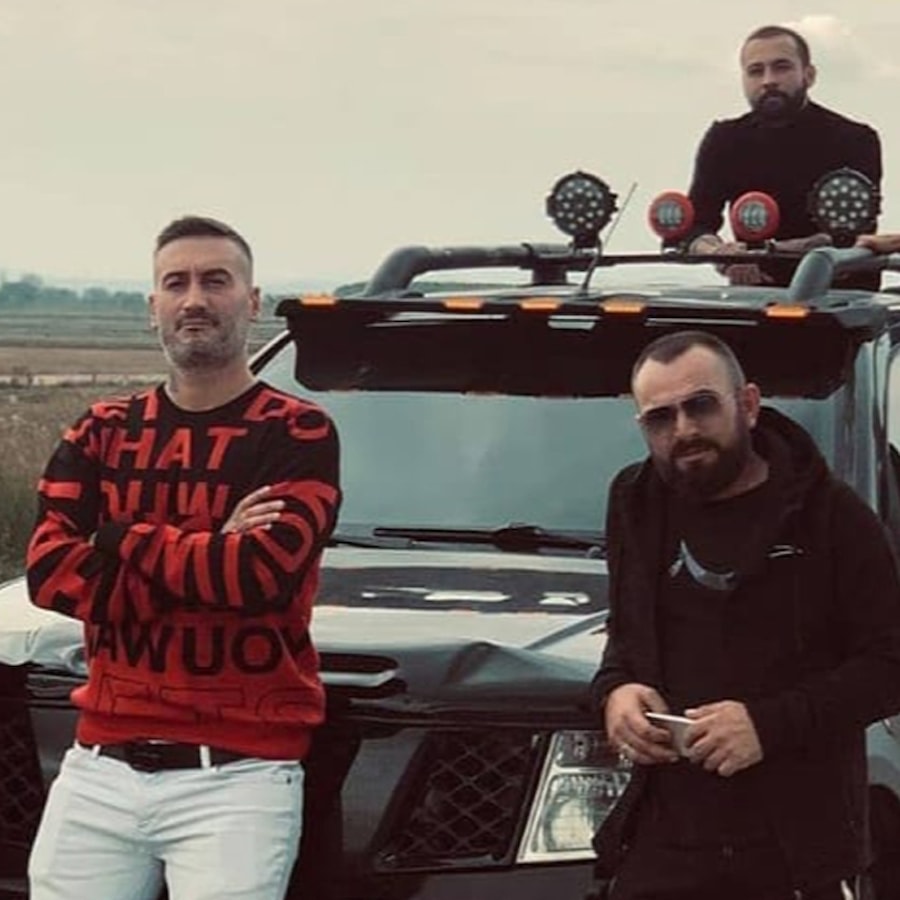
Los investigadores consideran que el atentado podría ser parte de un enfrentamiento entre organizaciones criminales turcas que se ha ido extendiendo por Europa, una hipótesis que coincide con una serie de episodios violentos protagonizados en los últimos años por miembros o personas vinculadas a diferentes grupos criminales de origen turco. El tiroteo en Düsseldorf adquiere, por lo tanto, una dimensión que va más allá de sus protagonistas inmediatos y vuelve a situar a los Baybaşin en el mapa del crimen organizado europeo.
La familia ha estado vinculada durante décadas a las redes internacionales de narcotráfico. Procedentes de la provincia turca de Diyarbakir, los Baybaşin construyeron gran parte de su poder en torno al tráfico de heroína hacia Europa. Hüseyin Baybaşin se convirtió en una de las figuras más reconocidas del narcotráfico turco en el continente y fue considerado por las autoridades británicas como uno de los actores principales en el mercado europeo de la heroína.
Su arresto en 1998 en Países Bajos y su posterior condena a cadena perpetua supusieron uno de los golpes más significativos contra la organización familiar, pero no llevaron a la extinción del apellido en los circuitos criminales europeos. Otros miembros del clan continuaron apareciendo en investigaciones policiales en distintos países, y España fue uno de los escenarios que adquirió relevancia en aquella época.
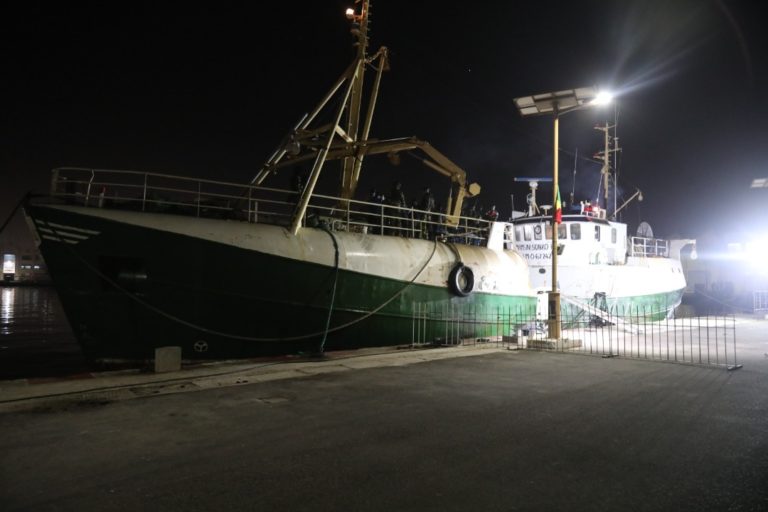
El tiroteo se produce en un contexto de cambios en el gran mercado de la heroína que históricamente ha controlado la familia de la víctima a nivel internacional. Tras los cambios políticos en Afganistán, con el regreso de los talibanes y la drástica reducción del cultivo de adormidera en el país, que era el mayor productor mundial, la presencia de esta droga en Europa se ha visto restringida. Sin embargo, las informaciones más recientes indican que el consumo de heroína está en aumento y que ciertos barrios marginales en los que tradicionalmente se vendió en ciudades españolas están volviendo a abastecerla.
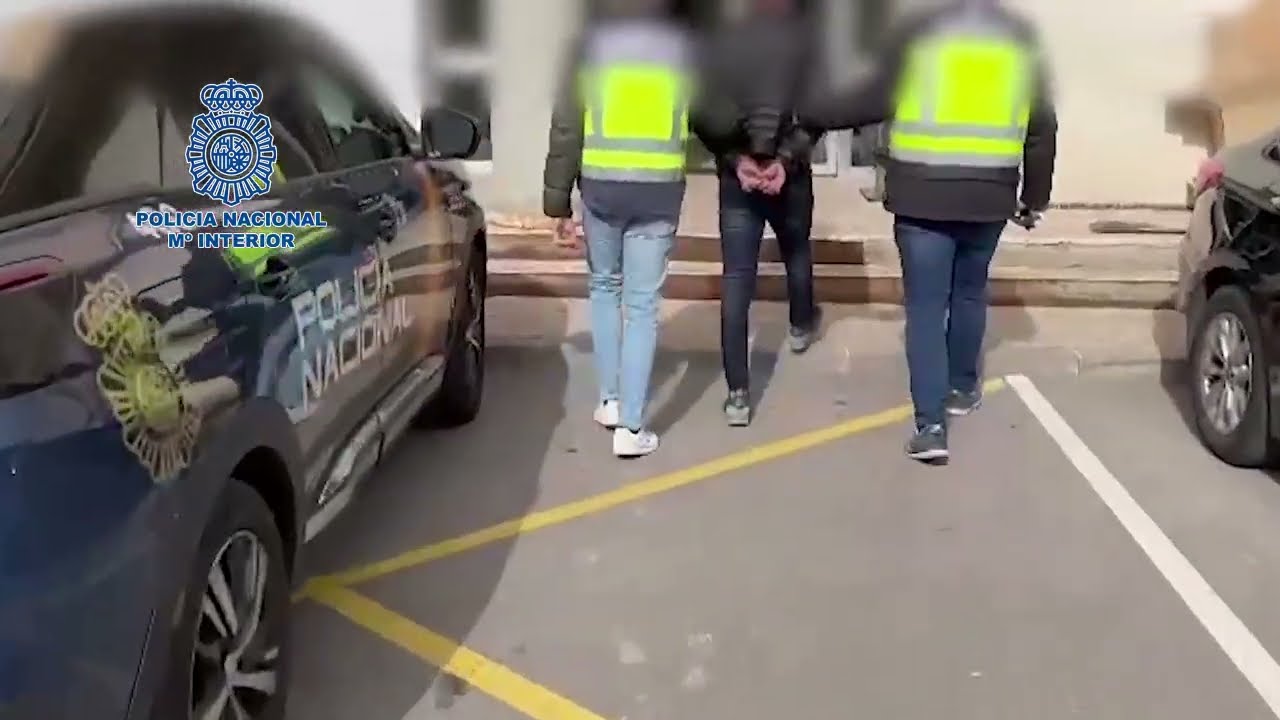
En mayo de 2000, Mahmut Baybaşin fue arrestado en Majadahonda con 15 kilos de heroína. La operación también permitió la incautación de dinero en diversas divisas, documentación falsa y otros diez kilos de heroína ocultos en un trastero. En aquel momento, la Policía española afirmaba que, tras la detención de Hüseyin, parte de la estructura del clan había trasladado sus actividades hacia España.
Dicha conexión con el territorio español es especialmente relevante, ya que más de dos décadas después, miembros del entorno familiar han seguido apareciendo vinculados a desplazamientos y estancias en España. En los últimos años, tanto Barcelona como la Costa del Sol han sido mencionadas en informaciones relacionadas con familiares de los Baybaşin.
En febrero de 2025, se informó que un sobrino de Hüseyin había viajado a Torremolinos, donde alquiló un vehículo de alta gama. Este mismo familiar habría estado moviéndose con frecuencia entre Barcelona y Turquía. Posteriormente, en agosto de 2026, nuevas informaciones volvieron a situar a un miembro de la familia en Barcelona, Marbella y Torremolinos, donde habría pasado temporadas y recibido visitas de personas vinculadas al crimen organizado turco.
Estos desplazamientos no permiten concluir que los Baybaşin mantengan una estructura criminal establecida en la Costa del Sol, pero sí evidencian que la costa malagueña sigue siendo parte del circuito de movimientos de personas asociadas a este entorno.
Marbella, Puerto Banús y Torremolinos han sido durante años puntos de interés para organizaciones criminales internacionales, que encuentran en la Costa del Sol un territorio especialmente propicio para establecerse temporalmente, mantener relaciones, disfrutar de un alto nivel de vida o moverse con discreción.
La gran movilidad internacional de la zona, sus conexiones aéreas, el mercado inmobiliario, el alquiler de vehículos de alta gama y la histórica presencia de ciudadanos extranjeros convierten la costa malagueña en un escenario atractivo para aquellos que desean llevar una vida aparentemente normal mientras se trasladan periódicamente entre distintos países.
En el caso de los Baybaşin, lo documentado sugiere temporadas y desplazamientos, no necesariamente una residencia permanente ni una supuesta sede operativa. Esta distinción es fundamental: la presencia de un miembro de una familia con antecedentes criminales en Marbella o Torremolinos no implica automáticamente que esté llevando a cabo actividades delictivas en esos lugares.
La conexión con España volvió a adquirir importancia en mayo de 2024, cuando Tekin Kartal, un ciudadano turco relacionado con el entorno de los Baybaşin, fue asesinado a tiros en Barcelona. Kartal había mantenido vínculos con personas cercanas al clan y su muerte avivó las especulaciones sobre los conflictos entre organizaciones criminales turcas asentadas en Europa.
Abdullah Baybaşin, hermano de Hüseyin y una de las figuras más reconocidas del clan, rechazó haber estado involucrado en el asesinato mencionado. El suceso en Barcelona y el posterior ataque en Düsseldorf son parte de un contexto mucho más amplio en el que distintos grupos de origen turco mantienen disputas y alianzas que cruzan fronteras. Para las fuerzas de seguridad europeas, uno de los principales desafíos radica precisamente en rastrear a estos grupos que no están obligados a permanecer en un solo territorio: pueden tener familiares en España, operaciones o conexiones en otros países y regresar de manera periódica a Turquía.
El intento de homicidio en Düsseldorf pone de manifiesto que el apellido Baybaşin sigue teniendo peso en este ámbito, aunque sería apresurado atribuir el ataque al clan en sí o dar por sentado una guerra específica mientras el proceso judicial permanece abierto. Lo que sí está comprobado es que un integrante de la familia fue blanco de un ataque meticulosamente planeado y que varios sospechosos están siendo juzgados en relación con este hecho.
Mientras tanto, España continúa figurando como uno de los escenarios secundarios en esta narración. Inicialmente fue el narcotráfico y las operaciones policiales a principios de siglo; luego, los desplazamientos de familiares entre Barcelona, Turquía y la Costa del Sol; y ahora, desde Düsseldorf, resurge el apellido de una familia que ha estado cruzando fronteras europeas durante décadas.
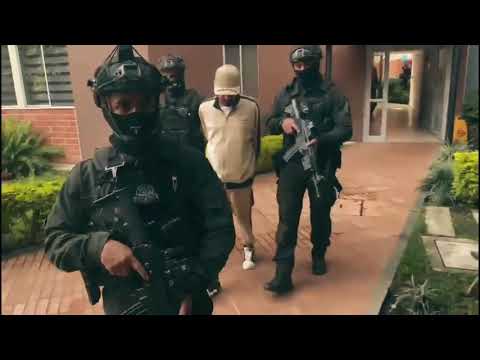
Los Baybaşin no requieren tener una sede visible en Marbella para que España sea parte de su mapa: basta con que sus miembros continúen pasando temporadas, reuniéndose con ciertos contactos y utilizando la Costa del Sol como un punto de tránsito en una red familiar cuya historia criminal se remonta a hace décadas y que, a pesar de las condenas y las operaciones policiales, todavía sigue dejando su huella en Europa.
Respecto al tiroteo que involucró al hijo de Abdullah, la prensa británica ha destacado dos mensajes publicados en X que podrían ser significativos. El primero se atribuye al tío de la víctima, Hüseyin, que, como es sabido, se encuentra en prisión. «Encontraré a estos perros. Extinguiré su linaje. Estoy convencido de que Cagdas se recuperará. Todos los que pertenezcan a estos perros, junto con toda su descendencia, deben esconderse ahora mismo en cualquier perrera que encuentren».
No se puede verificar la autenticidad del mensaje. Tras el tiroteo, otra información proveniente de las Islas Británicas, donde tienen un mejor conocimiento de las redes turcas, indicaba que «creo que podemos anticipar una represalia por este asesinato, pero probablemente en España».

Y volviendo a España, considerando los acontecimientos que han tenido lugar en el país en los meses previos al tiroteo en Alemania, todo sugiere que la información sobre las represalias y la posible autoría del ataque se alinean. La prensa turca, basándose en las últimas novedades del juicio, señala a Los Dalton como los responsables de los disparos. Y solo es necesario revisar la hemeroteca de fuentes judiciales para observar lo que ocurrió poco tiempo antes en la Península Ibérica: tiroteos y muertes con este último clan como protagonista.