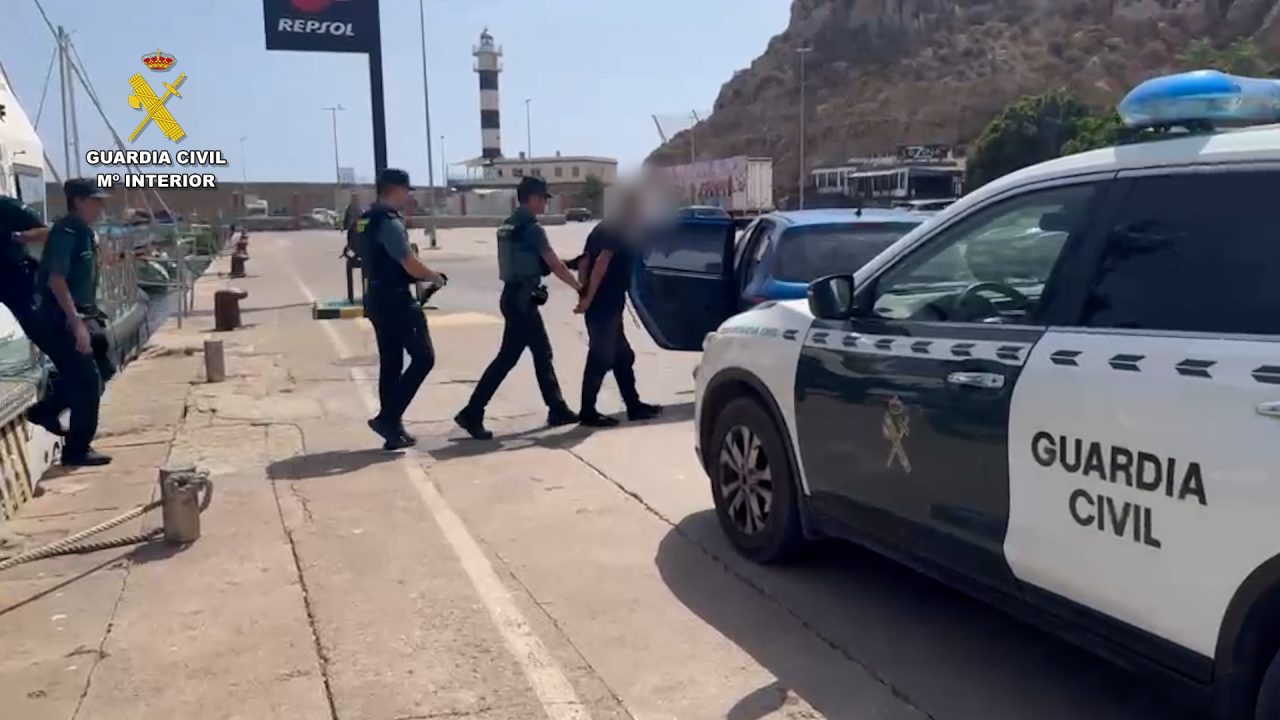
La Guardia Civil ha procedido a la detención de cuatro patrones de embarcaciones que estaban trasladando migrantes desde el continente africano hacia la Península Ibérica mediante descargas en las costas de Murcia. Se han incautado dos embarcaciones con capacidad para transportar a decenas de personas en cada viaje, las cuales se utilizan de forma alterna para el tráfico de personas, drogas y combustible en el entorno marítimo que separa África de España. Dos de los cuatro detenidos fueron capturados tras un operativo que había sido anticipado días antes por medios especializados, en el cual los delincuentes atacaron con sus lanchas al Instituto Armado. Se ha confirmado que los agentes se vieron obligados a defenderse, empleando sus armas reglamentarias.
Las acciones se llevaron a cabo hace unos días, momento en el que la Guardia Civil dio inicio a una investigación con el objetivo de identificar a los responsables de la introducción irregular de personas a través de las costas murcianas mediante narcolanchas que operaban como pateras-taxi.
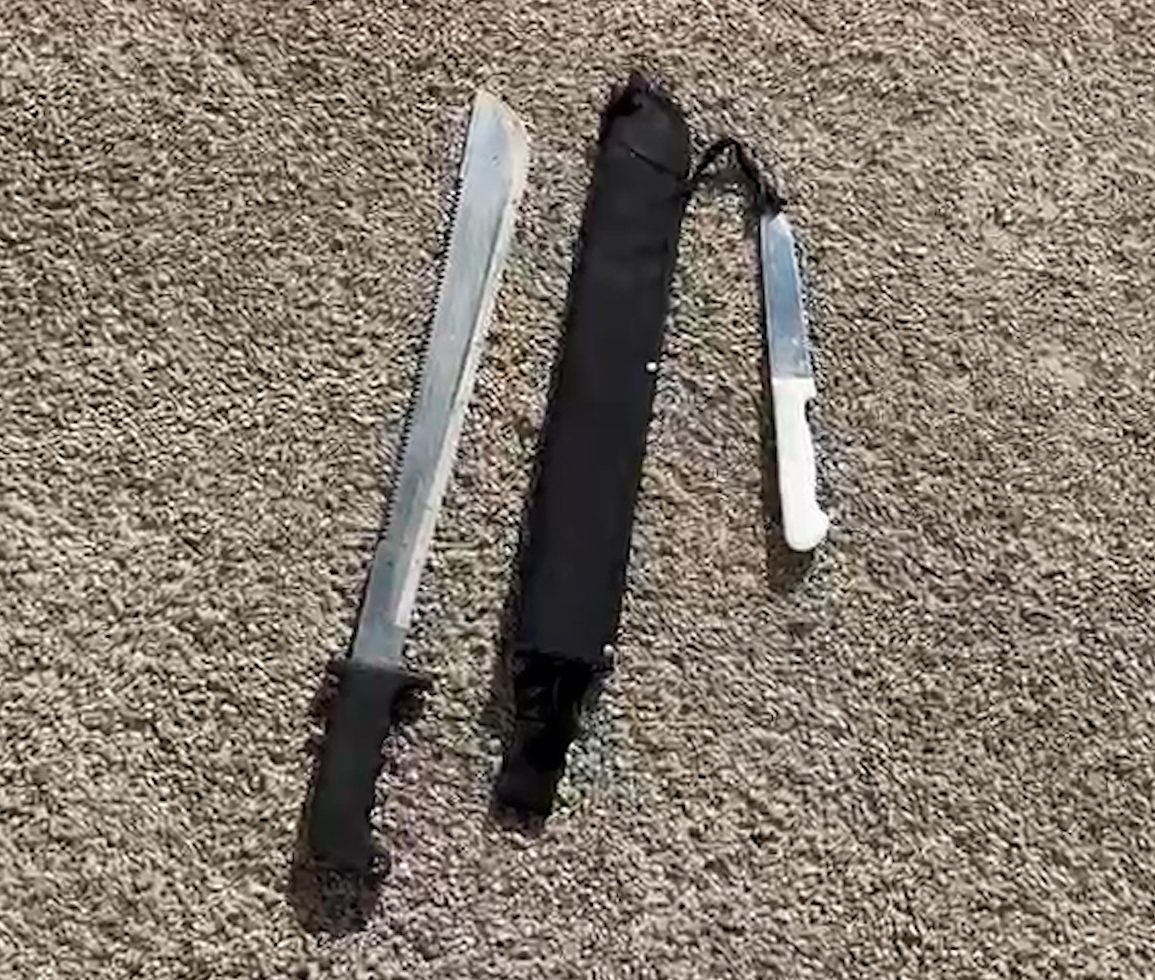
Al parecer, los migrantes fueron golpeados para que mantuvieran la cabeza agachada, llegando incluso a ser amenazados y agredidos con un machete y un spray de pimienta cuando se acercaron a la costa, obligándolos a saltar rápidamente, aunque muchos de ellos no sabían nadar.
Mientras los migrantes recibían atención por parte de las patrullas de la Guardia Civil que se encontraban en el lugar, una patrullera del Servicio Marítimo del Cuerpo siguió el rastro de la embarcación sospechosa, que había comenzado su huida mar adentro. Esta fue localizada a 12 millas al sureste de Monte Cenizas, donde se procedió a la detención de sus dos patrones.
La embarcación incautada, de 15 metros de eslora y equipada con cuatro motores de gran potencia, fue trasladada al puerto de Cartagena.
El 2 de septiembre, una nueva actuación de la Guardia Civil resultó en la interceptación de otra embarcación neumática, de 10 metros de eslora y dotada de dos motores, en Cabo Cope, en Águilas.
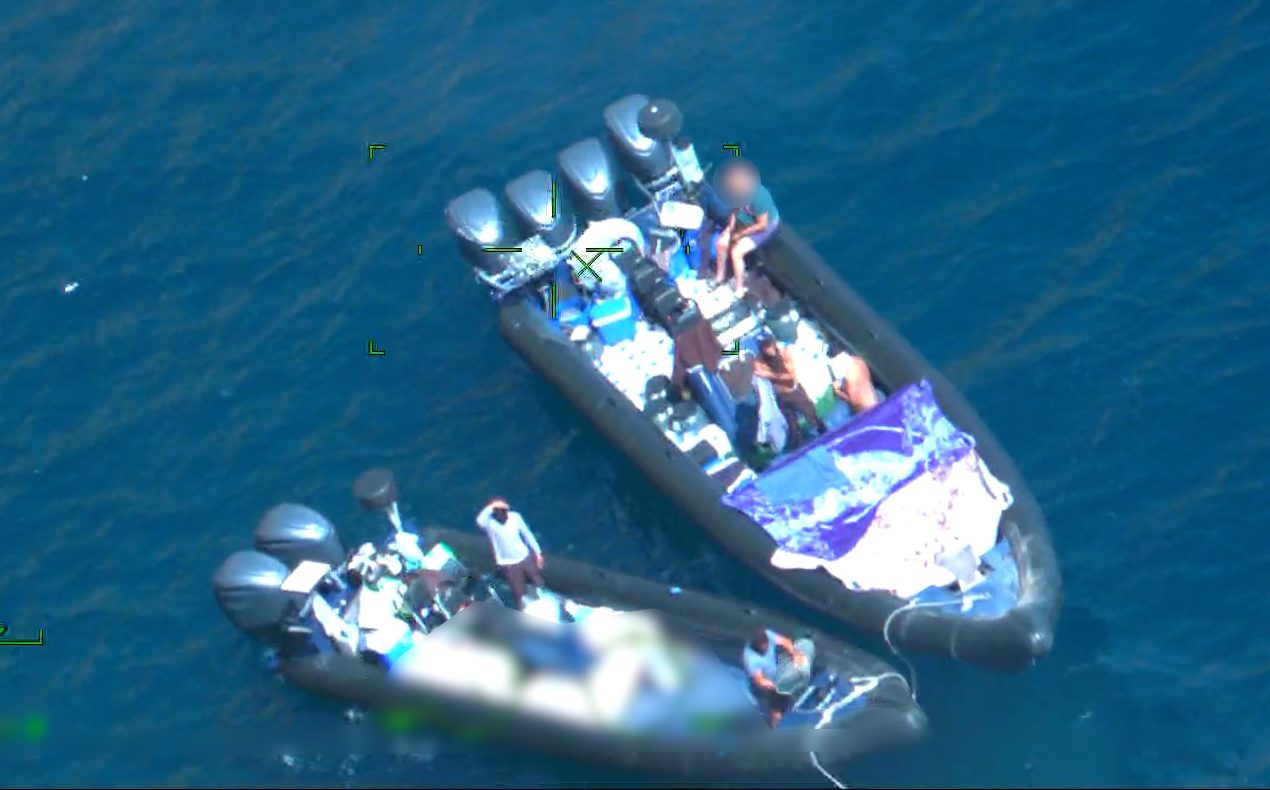
Esta operación se inició cuando la Guardia Civil, a través del Sistema Integral de Vigilancia Exterior, detectó la presencia de una embarcación sospechosa en aguas de Águilas, dedicada al transporte ilegal de personas. La patrullera y un helicóptero del Cuerpo lograron localizar una embarcación semirrígida de alta velocidad que se encontraba fondeada cerca de Cabo Cope.
Al notar la proximidad de las autoridades, los tripulantes pusieron en marcha los motores e iniciaron su fuga a gran velocidad, ignorando las órdenes de los guardias civiles. A pesar de las reiteradas instrucciones emitidas desde la patrullera para que se detuvieran, los sospechosos continuaron su navegación, llegando al extremo de encontrarse ambas embarcaciones –la de la Guardia Civil y la lancha fugitiva– en una situación de enfrentamiento, lo que obligó a los agentes a realizar una maniobra brusca para evitar una colisión frontal.
Posteriormente, la embarcación sospechosa quedó en posición perpendicular a la patrullera oficial e intentó ejecutar una maniobra peligrosa que, dada la proximidad de las dos embarcaciones, podría haber provocado una embestida por parte de la embarcación del Cuerpo.
Ante la imposibilidad de eludir la colisión, uno de los agentes desenfundó su arma reglamentaria y efectuó dos disparos disuasorios, sin causar lesiones a ninguno de los tripulantes.
Sin embargo, la embarcación sospechosa logró impactar en uno de los laterales de la patrullera del Cuerpo. Posteriormente, comenzó su huida mar adentro, mientras sus tripulantes se deshacían de bidones de combustible arrojándolos por la borda.
Una vez recuperados de la colisión, los guardias civiles reanudaron la persecución y lograron alcanzarla, abordarla y proceder a la detención de sus dos ocupantes. La embarcación aún contaba con 28 garrafas de gasolina. A raíz de la embestida y del impacto, como se informó días atrás, tres guardias civiles sufrieron lesiones leves.
La investigación llevada a cabo por guardias civiles especializados en la indagación de ilícitos penales relacionados con el favorecimiento de la inmigración irregular, el narcotráfico y sus efectos derivados, permitió establecer un vínculo entre esta embarcación y la que había sido interceptada en aguas de Cartagena días antes.
En ambos casos, se emplearon embarcaciones de alta velocidad y gran envergadura, equipadas con varios motores de hasta 350 caballos cada uno.