El ataque perpetrado en una vivienda de Overasselt, en los Países Bajos, que resultó en la muerte de un vigilante de seguridad y dejó a dos policías heridos, está directamente vinculado a una disputa relacionada con una partida de drogas confiscada en la frontera entre Francia y España. La investigación sugiere que, desde un punto de vista intelectual, el entorno de Bolle Jos, un conocido narcotraficante ubicado en Sierra Leona, está involucrado, quien es señalado por la posesión de 30.200 kilos de cocaína a bordo del mercante Arconian. Los abogados de este individuo desestiman cualquier conexión con ambos casos.
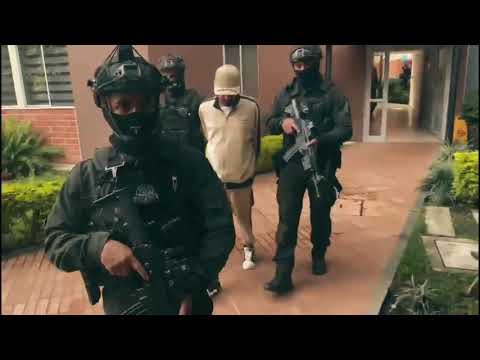
Desde entonces, la imagen que circula en fuentes judiciales recuerda a los vídeos utilizados por los grandes cárteles de droga latinoamericanos para amenazar a sus adversarios. En dicho vídeo, cuatro hombres con el rostro cubierto, de los cuales tres parecen estar armados, miran a la cámara mientras uno de ellos lee en inglés un mensaje dirigido a Jan G., el joven que reside en la vivienda de Overasselt, que fue el escenario de un violento asalto esta semana.
El contenido del mensaje es una amenaza directa. Se acusa al joven de haber robado una partida de 1.283 kilos de cocaína y se le otorga un plazo de doce horas para devolverla y contactar a un supuesto socio belga. "After that we don’t want our goods anymore", afirma el hombre, indicando que si no se respeta dicho plazo, ya no desearán la cocaína. Posteriormente llega la advertencia: "We promise you that we are going to kill everyone you love". En español, esto se traduce como "te prometemos que mataremos a cada una de las personas que quieres".
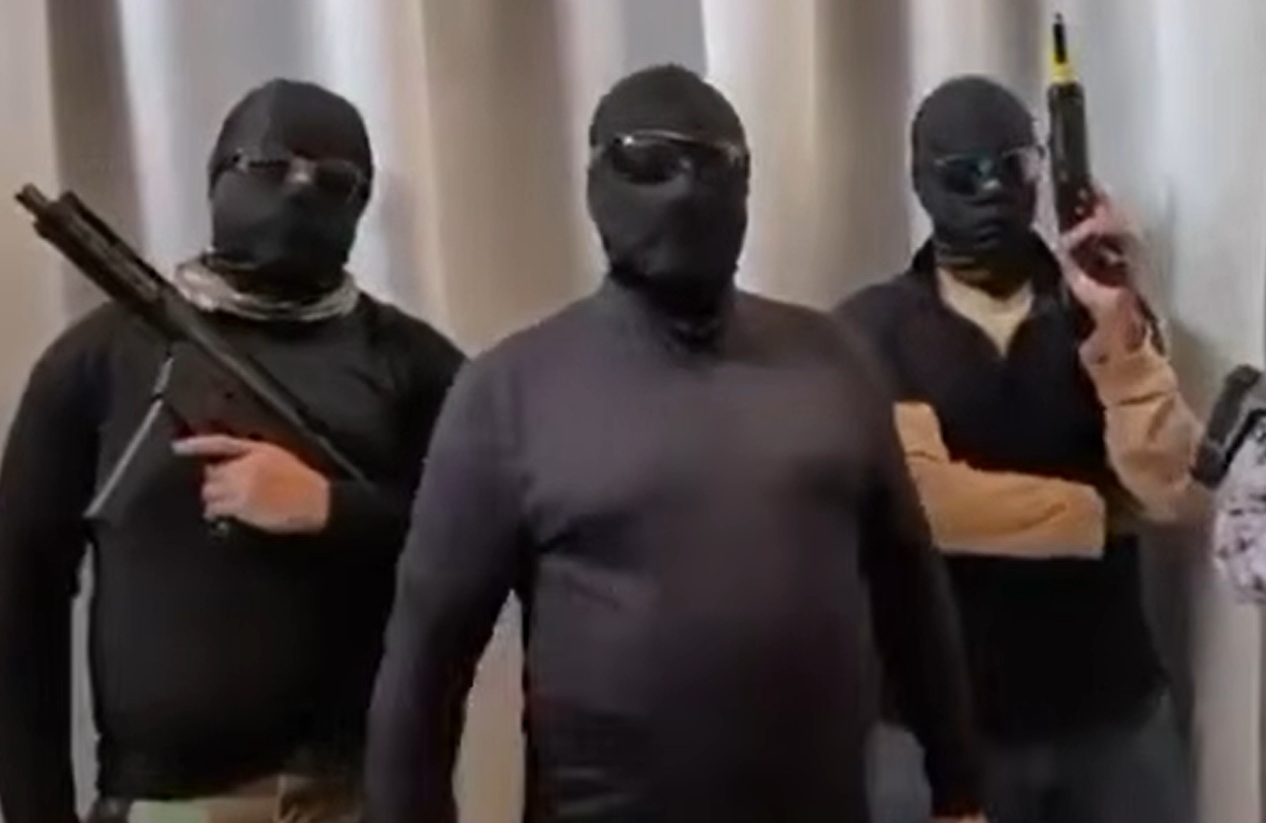
El mensaje también extiende la amenaza a familiares, amigos y personas cercanas al joven. La policía neerlandesa posee el vídeo y está llevando a cabo la investigación correspondiente. Hasta el momento, no ha confirmado quién fue el autor de la grabación ni cuándo se realizó, y tampoco ha determinado si las acusaciones presentadas en las imágenes son verídicas. Los investigadores han señalado que el vídeo incluye algunos detalles que no habían sido divulgados públicamente.
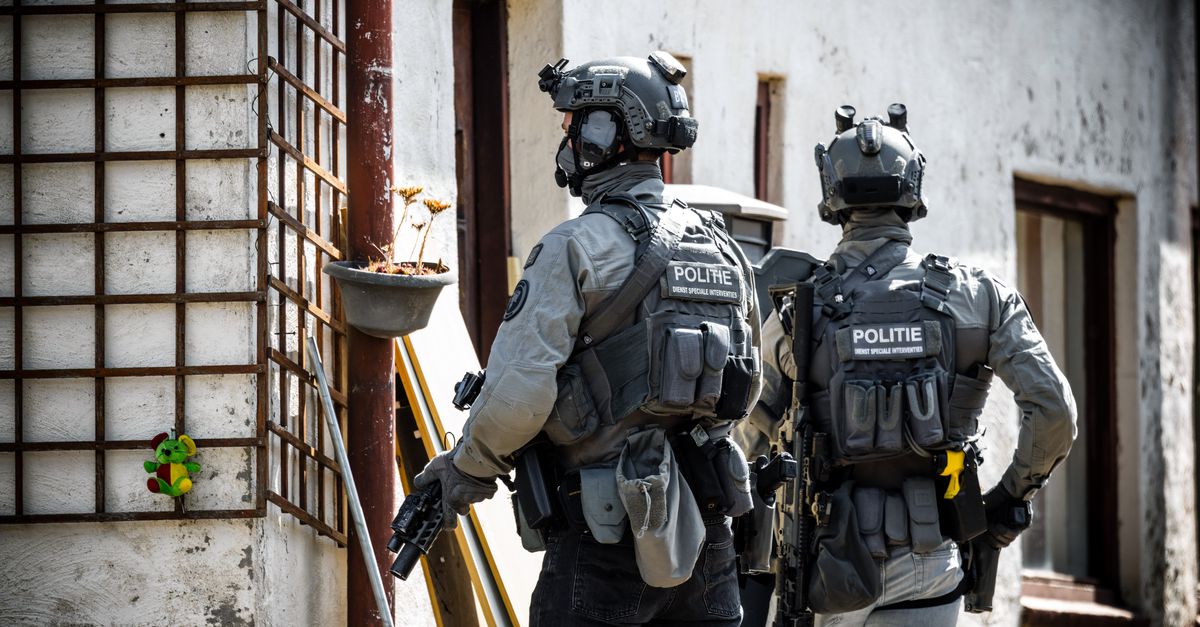
Las imágenes surgieron tras una noche de extrema violencia en Overasselt. Un grupo de aproximadamente treinta hombres, algunos de ellos armados, se acercaron a la vivienda ubicada en la zona de Ewijkseweg. Durante el enfrentamiento, un vigilante de seguridad de 51 años perdió la vida y dos agentes de policía resultaron heridos. La operación subsiguiente culminó con la detención de 35 personas y requirió la movilización de un considerable dispositivo policial.
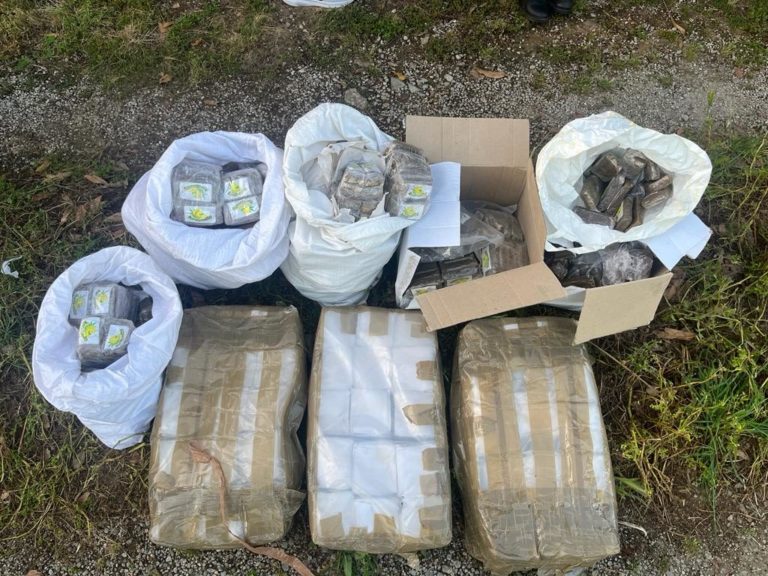
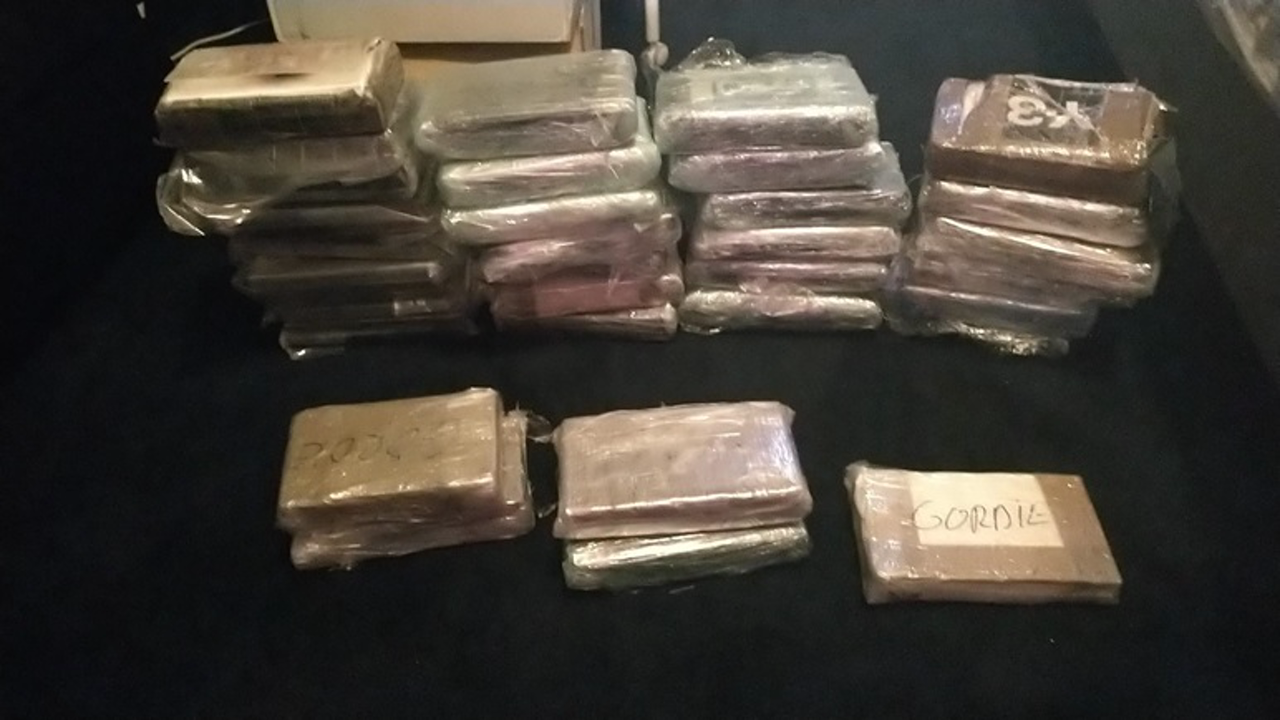
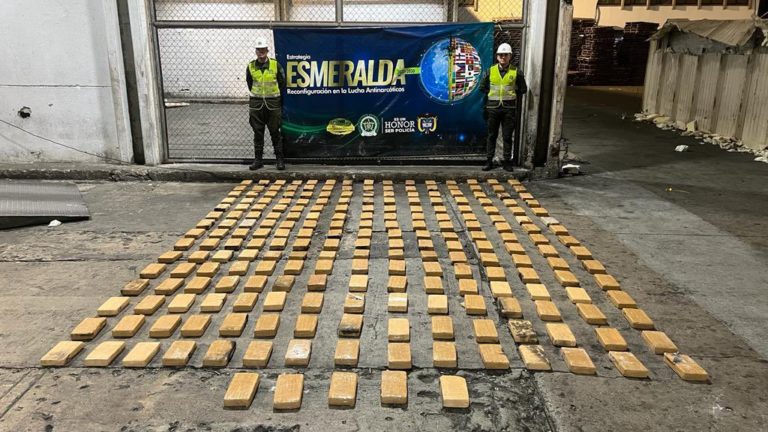
Un elemento que podría ayudar a esclarecer lo sucedido se encuentra a cientos de kilómetros de distancia, en la frontera entre Francia y España. El 27 de agosto, las autoridades francesas lograron interceptar 812 kilos de cocaína en un camión de matrícula neerlandesa que circulaba por la autopista A9, en la zona de Le Perthus, en los Pirineos Orientales.
El cargamento fue descubierto durante uno de los controles fronterizos realizados, y el fiscal de Perpiñán calificó la operación como una de las mayores incautaciones de cocaína llevadas a cabo por vía terrestre en Francia en lo que va del año. Este lugar es frecuentemente escenario de acciones policiales de este tipo.
De acuerdo con la información divulgada en los Países Bajos, esa partida podría estar vinculada al conflicto que condujo al ataque en Overasselt. La hipótesis que manejan fuentes citadas por medios neerlandeses sugiere que una parte de la droga podría haber llegado al territorio neerlandés a pesar de la incautación, y que quienes invirtieron dinero en la operación habrían acudido posteriormente a reclamar la mercancía a un intermediario.
Esta versión concuerda con el contenido del vídeo; sin embargo, existe una discrepancia que los investigadores aún deben esclarecer. En el vídeo, los hombres mencionan 1.283 kilos de cocaína, mientras que la cantidad confiscada en la frontera franco-española fue de 812 kilos. Además, en las imágenes se mencionan otros 717 kilos, lo que suma un total de 2.000 kilos.
Por el momento, la policía y la Fiscalía neerlandesas no han confirmado que los 812 kilos confiscados en Francia correspondan a la misma droga a la que hacen alusión los hombres del vídeo. Tampoco han establecido oficialmente que la disputa por dicha mercancía sea la causa del ataque. Sin embargo, esta coincidencia ha llevado a los investigadores a examinar ambas operaciones dentro de un mismo marco de investigación.
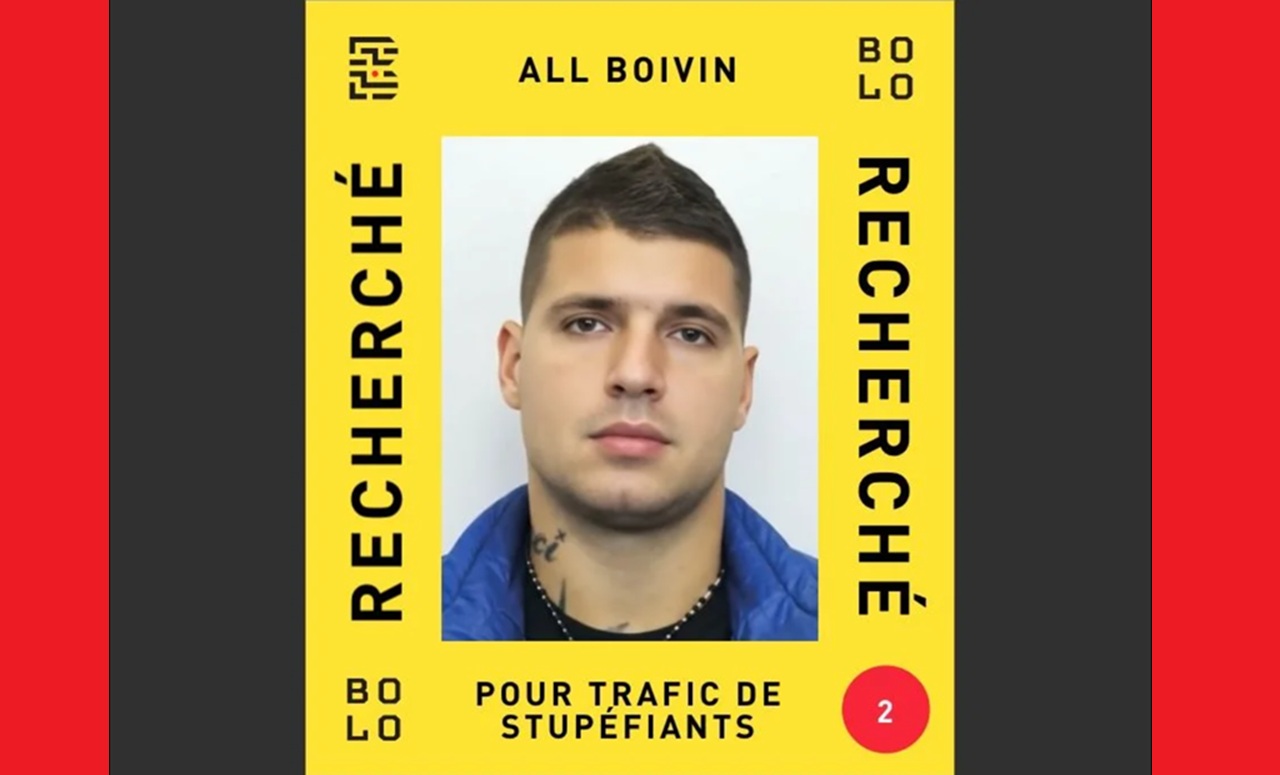
En esta investigación también surge otro nombre: Jos Leijdekkers, conocido como Bolle Jos, uno de los narcotraficantes neerlandeses más buscados en Europa. Leijdekkers es un personaje prominente en el narcotráfico neerlandés, como se ha mencionado en fuentes judiciales, y tiene conexiones con redes internacionales de cocaína. Su nombre ha aparecido en diversas indagaciones relacionadas con grandes cargamentos y organizaciones criminales que operan entre los Países Bajos, Bélgica y otros países europeos.
Las informaciones que han sido publicadas en Países Bajos vinculan la partida de cocaína con el entorno de Leijdekkers y sugieren una posible conexión entre Jan G. y la organización del fugitivo. Según fuentes citadas por medios neerlandeses, el conflicto estaría relacionado con la desaparición de la droga, y el grupo que se trasladó a Overasselt habría intentado recuperarla.
No obstante, Leijdekkers niega cualquier implicación en el ataque. Sus abogados han declarado que su cliente no está vinculado a los hechos. Esta distinción es relevante, ya que el hecho de que el nombre de Bolle Jos sea mencionado en las investigaciones no implica que esté demostrado que ordenara el asalto o que tuviera conocimiento de lo sucedido. La policía aún debe determinar quién fue el organizador del ataque, quién dio las órdenes y cuál fue el papel específico de cada uno de los detenidos.
Lo que resulta innegable es la dimensión internacional de la operación. La droga fue localizada en la frontera entre España y Francia. El camión poseía matrícula neerlandesa. Se supone que la mercancía estaba destinada a los Países Bajos, y el conflicto culminó con un grupo armado desplazándose a una pequeña localidad neerlandesa. Este es el actual mapa del narcotráfico en Europa.
La decisión del alcalde de Heumen, Joerie Minses, de clausurar la vivienda por un año tampoco se produce en un inmueble ajeno a actividades delictivas.
La casa de la Ewijkseweg había sido cerrada en ocasiones anteriores. En 2020, fue clausurada tras el descubrimiento de un laboratorio de drogas tras un incendio. En 2024 volvió a ser cerrada después de que varias personas armadas fueran vistas frente al recinto. Además, el año pasado recibió al menos 25 disparos.
Tras el último incidente, el alcalde ha ordenado su clausura durante un año. Asimismo, uno de los residentes no podrá ingresar al término municipal durante dos semanas, y el Ayuntamiento instalará cámaras de vigilancia en los alrededores una vez que la policía finalice sus labores.
Minses ha manifestado que el objetivo es recuperar la tranquilidad y restablecer el orden público después de un episodio de violencia que ha impactado a la localidad. Sin embargo, el alcalde también ha reconocido que no posee competencias para cerrar la vivienda de forma permanente y obligar a sus residentes a abandonar el municipio. Legalmente, la clausura por un año es la medida máxima que puede adoptar en este momento.
Esta decisión pone de manifiesto hasta qué punto el narcotráfico puede afectar a comunidades que no tienen ninguna conexión con el negocio de las drogas.
Lo acontecido en Overasselt forma parte de una evolución que las autoridades europeas han estado observando con creciente preocupación a lo largo de los años. El narcotráfico ha transformado a los Países Bajos en uno de los principales núcleos de distribución de cocaína y otras drogas en Europa, generando una estructura criminal cada vez más violenta y profesionalizada.
Los asesinatos, los secuestros, los ataques armados y las amenazas dirigidas a periodistas, abogados y políticos han dejado de ser episodios aislados.
El homicidio del periodista neerlandés Peter R. de Vries en 2021 se convirtió en uno de los ejemplos más significativos de esta escalada. Sin embargo, este fenómeno no se limita únicamente a las grandes ciudades. El caso de Overasselt ilustra cómo una disputa por una carga de cocaína puede trasladarse a una localidad pequeña y aparentemente apacible, transformando sus calles en el escenario de una operación armada.
Además, hay otro aspecto que genera inquietud: el uso de las redes sociales para amplificar las amenazas. El vídeo relacionado con Overasselt no se limita a intimidar a un individuo; está concebido para ser visualizado por un público más amplio. Cuatro hombres encapuchados, con armas a la vista, transmiten un mensaje directo y un plazo específico. Esta estética evoca la propaganda de los cárteles mexicanos, que también se ha observado en otros conflictos vinculados con el crimen organizado en Europa.
La diferencia radica en que, en esta ocasión, el vídeo se publica tras un ataque real que ya ha dejado un muerto y dos policías heridos.
Las autoridades deberán ahora esclarecer si las amenazas son parte de un conflicto entre organizaciones criminales, si el vídeo fue grabado por los mismos individuos que participaron en el ataque y, lo más importante, qué sucedió realmente con la cocaína.
Por el momento, hay una tonelada de droga incautada en la frontera entre Francia y España, una vivienda que ha estado cerrada durante un año, 35 personas detenidas y cuatro hombres que, a través de una grabación difundida en Internet, amenazan con asesinar a una familia si no se devuelve una partida de cocaína.
Y detrás de todo esto se presenta una realidad cada vez más innegable: la violencia relacionada con el narcotráfico ya no es un fenómeno que Europa pueda observar desde la distancia. Está ocurriendo dentro de sus propias fronteras y, en situaciones como la de Overasselt, puede afectar a cualquiera que se encuentre en medio de una guerra por millones de euros en droga.