NARCOTRÁFICO

La policía arremete contra los líderes del crimen organizado en Galicia.

Redaccion
La policía arremete contra los líderes del crimen organizado en Galicia.
Idioma

La policía arremete contra los líderes del crimen organizado en Galicia.

Título: La Fuerza Pública enfrenta a los líderes del crimen organizado en Galicia

Contenido completo: «Estamos en lucha contra las grandes estructuras de narcotransporte. De la misma manera que se hacía en 2006 con David Pérez Lago, se ha realizado en 2025 con la organización de Pablo Lindner. Alijos en la playa. Ahora los métodos son narcosubmarinos, pero la dinámica permanece inalterada. No varían sus medios de transporte. Lo que cambian son las comunicaciones, las modalidades de pago y la estructura interna de las organizaciones, que se han vuelto más profesionales, más militarizadas, y controladas desde el exterior. Sin embargo, introducen las mismas grandes cantidades de siempre».

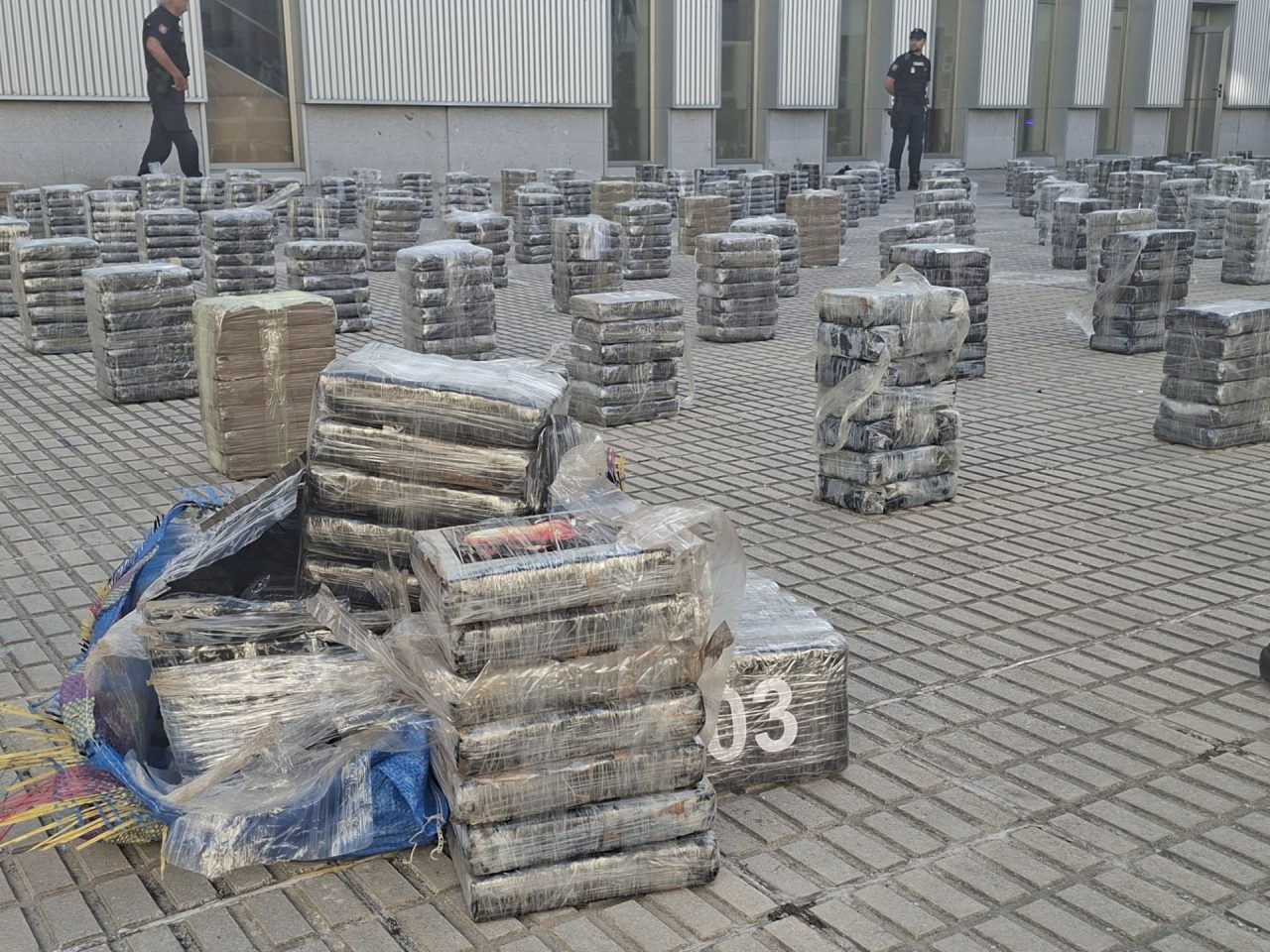
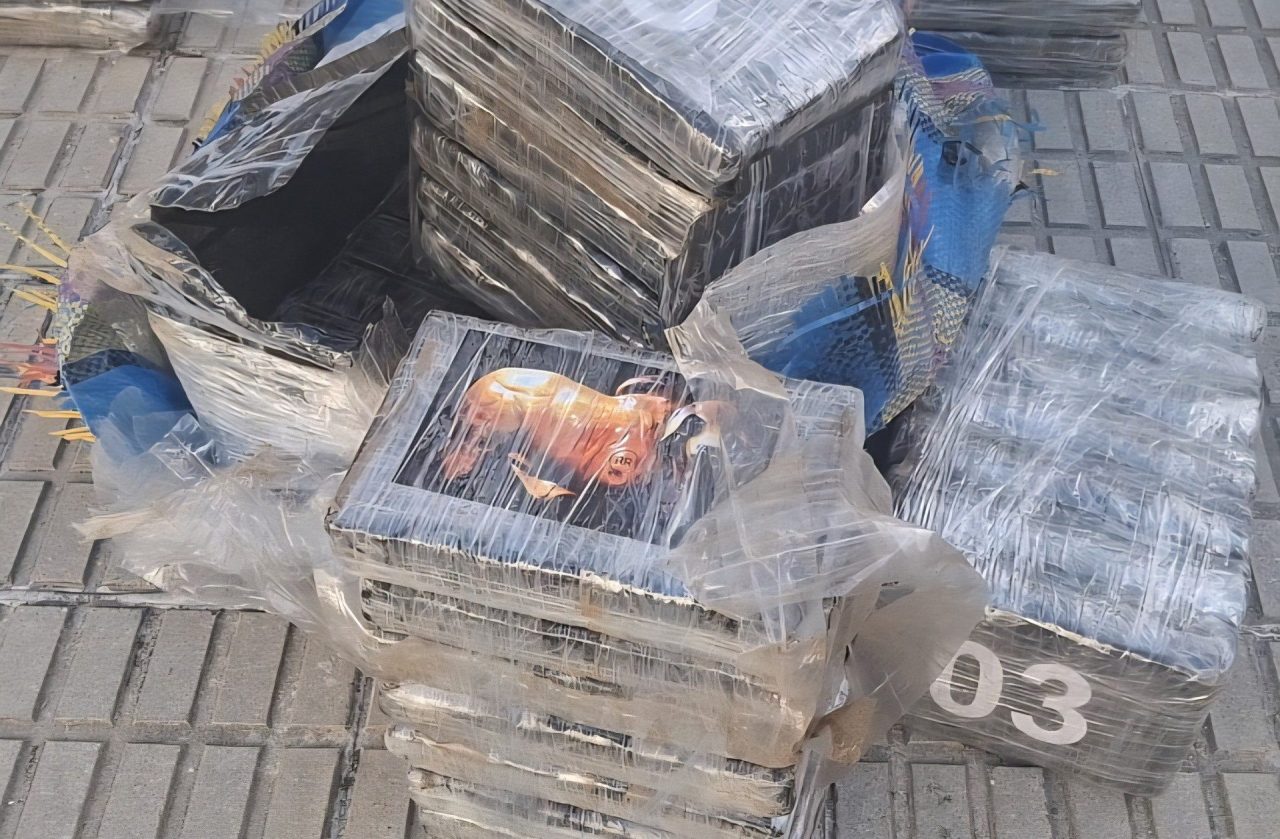
Así se manifestaba Emilio Rodríguez, jefe del Greco Galicia de la Policía Nacional, en declaraciones a este periódico al hacer un balance de las operaciones contra el narcotráfico del año anterior. El líder del equipo que llevó a cabo la operación Saona subrayaba el mayor logro policial del año: los casi 4.000 kilos de cocaína que arribaron a A Pobra do Caramiñal tras ser cargados en dos lanchas blancas desde un narcosubmarino que, en la actualidad, reposa en el lecho marino no lejos de la isla de Sálvora.
Sin embargo, en el resumen del año, esa cocaína no figura en las estadísticas oficiales del Centro de Inteligencia contra el Terrorismo y el Crimen Organizado (CITCO) como sustraída en Pontevedra -en realidad, fue incautada en el territorio de la provincia de A Coruña, en la cara norte de la ría de Arousa-. A pesar de esto, como es habitual, se puede atribuir a una organización de Pontevedra, de O Salnés, cuyos responsables fueron arrestados pocas horas después de ocurrido el incidente.

Así, aunque los datos revelan un notable aumento en las incautaciones de cocaína en territorio gallego (más de nueve toneladas en 2025), esta cifra no resulta significativa si se toma en cuenta que, en 2023, por ejemplo, se incautaron 13 toneladas. Estas fluctuaciones son características de contextos coyunturales en los que la cocaína destinada a Galicia es interceptada muy cerca del territorio o en tierra, como sucedió este año, o en alta mar, como ocurrió, por ejemplo, en 2024, cuando la droga confiscada por las fuerzas de seguridad con sede en Pontevedra superó considerablemente los datos proporcionados por el organismo dependiente del Ministerio del Interior.

Por tanto, lo más relevante en 2025 ha sido, desde el punto de vista policial, la caída del mencionado Lindner, considerado el líder de una red que contaba con lanchas para la recogida de grandes alijos que arribaban en narcosubmarinos, y que poseía una empresa náutica legal que funcionaba como fachada, según piensan los investigadores, con sedes en Sanxenxo y Cambados.
Antonio Duarte, jefe de la Udyco Central, fue un poco más allá al hacer un balance de 2025, afirmando que en Galicia «siguen dominando y tienen un gran poder grupos locales que llevan años traficando, que entran en prisión pero que han vuelto a salir, y esta fuerte presencia dificulta la incorporación de otros grupos externos a Galicia. Existen dos o tres organizaciones muy poderosas, una o dos especializadas en la recogida de droga de semisumergibles y mercantes, y otra en pesqueros, que están traficando en gran cantidad y dominando el narcotráfico gallego en la actualidad».

En la provincia de Pontevedra, a pesar del excelente trabajo policial de la Brigada Central de Estupefacientes, del EDOA de la Comandancia de Pontevedra, de la Unidad Central Operativa de la Guardia Civil y de las diversas Udyco locales, especialmente la de la ciudad del Lérez, así como del Servicio de Vigilancia Aduanera, las organizaciones delictivas dedicadas al narcotráfico continúan muy sólidas. En el ejercicio analizado se registraron 297 arrestos por estos delitos -en la media de los últimos años-, una cifra que representa más del 40 por ciento del total de detenidos en toda Galicia.

El objetivo de atacar la cabeza de las redes criminales ha permanecido muy presente en los meses posteriores. Sin ir más lejos, este mismo verano ha sido arrestado alias Moncho Vilaboa y personas de su círculo más cercano, bajo la sospecha de participar en el recordado alijo del Nehir junto a, entre otros, Jonas Falk, el Pablo Escobar sueco, y especialmente en una investigación sobre sus actividades económicas, acusado por la Fiscalía Antidroga de la Audiencia Nacional de blanqueo de capitales derivados del narcotráfico. Esta misma investigación tiene en la mira a dos grandes capos que hasta hace poco tiempo estaban establecidos en Dubái: Perikles Daremas, alias Spartan, y Alejandro Salgado, El Tigre.
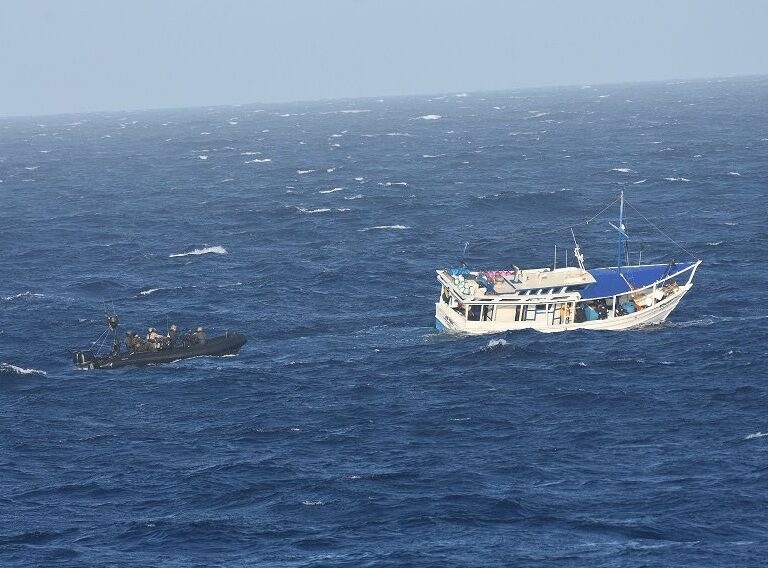
Precisamente en este punto se centra la nueva estrategia de las autoridades: el ataque a los bienes de los narcotraficantes y el intento de desmantelar la cabeza de las organizaciones. Ambos objetivos, muy ambiciosos considerando los recursos disponibles, se abordan sin perder de vista la incautación de grandes alijos de droga. «Los semisumergibles representan un sistema muy seguro para ellos, dado que todavía faltan medios en el mar para su detección e interceptación. La Inteligencia que se genera es complicada de corroborar por los sistemas técnicos que utilizan, pero se están realizando muchas operaciones contra ellos», apuntaba Rodríguez.

Los datos que ofrecen los primeros meses de 2026 sugieren un escenario en el que los precios de la cocaína, que habían caído a mínimos históricos hasta principios de año, han vuelto a aumentar, y lo han hecho a consecuencia de las dos grandes operaciones llevadas a cabo por la Policía Nacional y la Guardia Civil en el Atlántico: la del United S., que llegó desde Brasil con casi 10.000 kilos de cocaína ocultos bajo toneladas de sal, y la posterior del Arconian, con 30.200 kilos, el mayor cargamento de droga confiscado en cualquier punto del planeta en la historia.

Toda esa droga tenía como destino principal España, donde redes criminales de Galicia, Portugal y Andalucía se quedarían con una parte para realizar sus negocios, y, evidentemente, tales decomisos han provocado un aumento en los precios que corrige parcialmente la situación y complica las operaciones a los criminales.
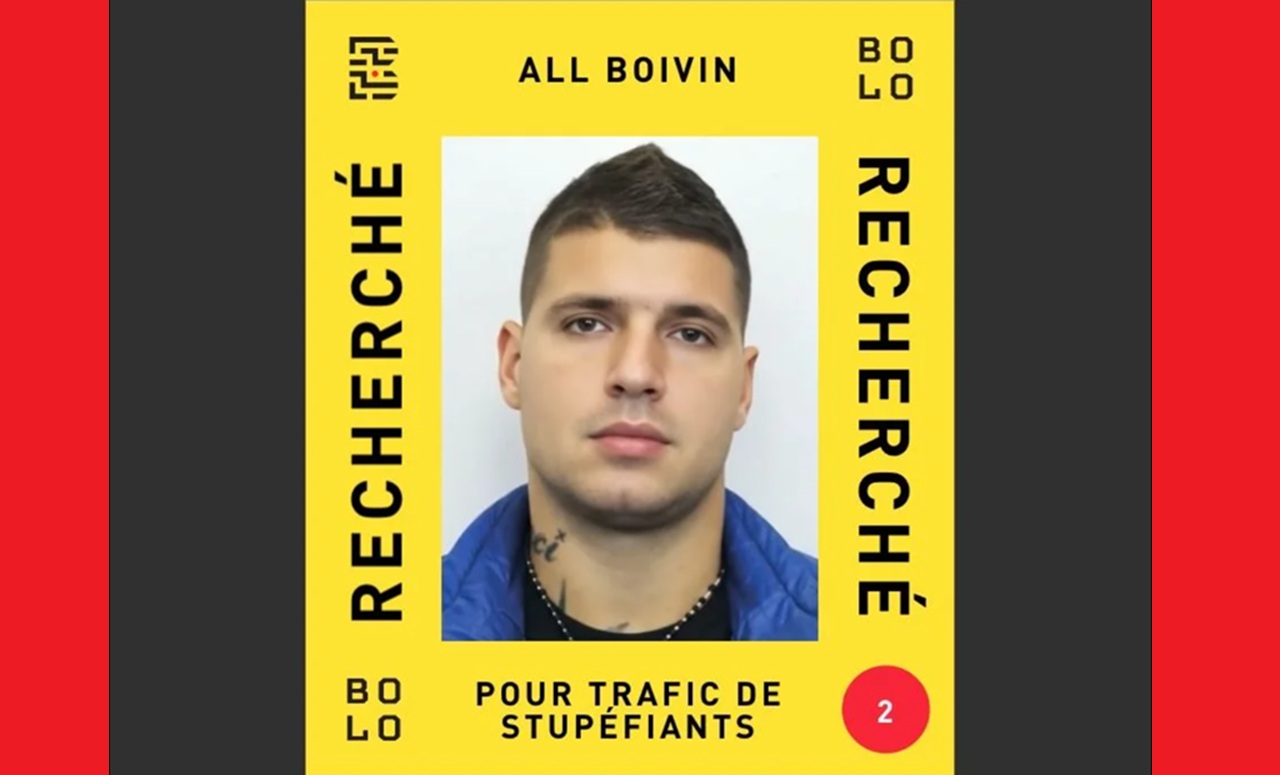
En 2026, la Policía, la Guardia Civil y Vigilancia Aduanera insisten en la necesidad de atacar el patrimonio y los líderes de las organizaciones. El ejemplo más reciente, la orden de búsqueda y captura emitida contra José Luis Viñas Morgade, alias Manzanita, y Antonio Carballa Magdalena, ambos por su supuesta relación con la más reciente incautación de cocaína detectada en A Costa da Morte.

The police strike against the leaders of organized crime in Galicia.

Title: The Public Force Faces Organized Crime Leaders in Galicia

Full content: "We are in a fight against the large structures of drug transportation. Just as it was done in 2006 with David Pérez Lago, it has been done in 2025 with Pablo Lindner's organization. Shipments on the beach. Now the methods are narco-submarines, but the dynamics remain unchanged. Their means of transport do not vary. What changes are the communications, payment methods, and the internal structure of the organizations, which have become more professional, more militarized, and controlled from the outside. However, they introduce the same large quantities as always."

This is how Emilio Rodríguez, head of the Greco Galicia of the National Police, expressed himself in statements to this newspaper while making a balance of the operations against drug trafficking from the previous year. The leader of the team that carried out Operation Saona emphasized the greatest police achievement of the year: the nearly 4,000 kilos of cocaine that arrived in A Pobra do Caramiñal after being loaded onto two white boats from a narco-submarine that currently rests on the seabed not far from the island of Sálvora.

However, in the annual summary, that cocaine does not appear in the official statistics of the Intelligence Center against Terrorism and Organized Crime (CITCO) as seized in Pontevedra - in reality, it was confiscated in the territory of the province of A Coruña, on the northern side of the ría de Arousa. Despite this, as is customary, it can be attributed to an organization from Pontevedra, from O Salnés, whose leaders were arrested a few hours after the incident occurred.

Thus, although the data reveals a notable increase in cocaine seizures in Galician territory (more than nine tons in 2025), this figure is not significant when considering that, in 2023, for example, 13 tons were seized. These fluctuations are characteristic of situational contexts in which cocaine destined for Galicia is intercepted very close to the territory or on land, as happened this year, or at sea, as occurred, for example, in 2024, when the drugs confiscated by security forces based in Pontevedra significantly exceeded the figures provided by the agency under the Ministry of the Interior.

Therefore, the most relevant aspect in 2025 has been, from a police perspective, the fall of the aforementioned Lindner, considered the leader of a network that had boats for collecting large shipments arriving in narco-submarines, and who owned a legal nautical company that operated as a front, according to investigators, with offices in Sanxenxo and Cambados.

Antonio Duarte, head of the Udyco Central, went a bit further in his assessment of 2025, stating that in Galicia "local groups that have been trafficking for years continue to dominate and have great power, who go to prison but come back out, and this strong presence makes it difficult for other external groups to enter Galicia. There are two or three very powerful organizations, one or two specialized in collecting drugs from semi-submersibles and merchant vessels, and another in fishing boats, that are trafficking in large quantities and dominating Galician drug trafficking at present."

In the province of Pontevedra, despite the excellent police work of the Central Brigade of Narcotics, the EDOA of the Pontevedra Command, the Central Operational Unit of the Civil Guard, and various local Udyco units, especially that of the city of Lérez, as well as the Customs Surveillance Service, the criminal organizations dedicated to drug trafficking remain very solid. In the analyzed year, 297 arrests for these crimes were recorded - in line with the average of recent years - a figure that represents more than 40 percent of the total arrests in all of Galicia.

The objective of attacking the heads of criminal networks has remained very present in the following months. Not far from this summer, alias Moncho Vilaboa and people from his closest circle were arrested, under suspicion of participating in the remembered shipment of the Nehir alongside, among others, Jonas Falk, the Swedish Pablo Escobar, and especially in an investigation into their economic activities, accused by the Anti-Drug Prosecutor of the National Court of money laundering derived from drug trafficking. This same investigation is targeting two major drug lords who until recently were based in Dubai: Perikles Daremas, alias Spartan, and Alejandro Salgado, El Tigre.

The new strategy of the authorities focuses precisely on this point: attacking the assets of drug traffickers and attempting to dismantle the heads of the organizations. Both objectives, very ambitious considering the available resources, are approached without losing sight of the seizure of large drug shipments. "Semi-submersibles represent a very secure system for them, given that there are still insufficient means at sea for their detection and interception. The intelligence generated is complicated to corroborate due to the technical systems they use, but many operations are being carried out against them," Rodríguez pointed out.

Data from the first months of 2026 suggest a scenario in which cocaine prices, which had fallen to historic lows until the beginning of the year, have risen again, and this increase is a consequence of the two major operations carried out by the National Police and the Civil Guard in the Atlantic: the United S. operation, which arrived from Brazil with nearly 10,000 kilos of cocaine hidden under tons of salt, and the subsequent Arconian operation, with 30,200 kilos, the largest drug shipment confiscated at any point on the planet in history.

All that drug was primarily destined for Spain, where criminal networks from Galicia, Portugal, and Andalusia would keep a portion to conduct their business, and, evidently, such seizures have caused an increase in prices that partially corrects the situation and complicates operations for the criminals.

In 2026, the Police, the Civil Guard, and Customs Surveillance emphasize the need to attack the assets and leaders of the organizations. The most recent example is the arrest warrant issued against José Luis Viñas Morgade, alias Manzanita, and Antonio Carballa Magdalena, both for their alleged connection to the most recent cocaine seizure detected in A Costa da Morte.

La policía arremete contra los líderes del crimen organizado en Galicia. | NarcoObservatorio