Título: Un conflicto político facilita el tráfico de drogas en el puerto de Algeciras
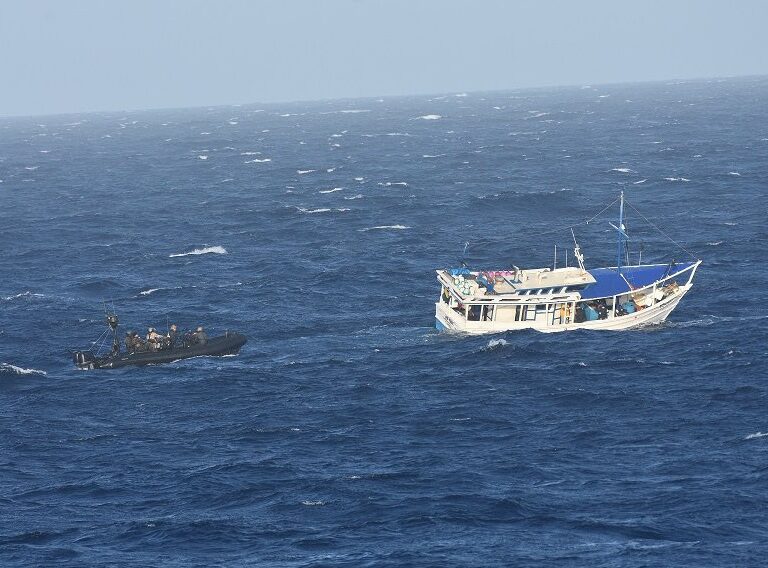
Contenido reformulado: Desde hace algún tiempo, la imagen de la seguridad internacional de España se ha visto comprometida por diversas razones. Esto se debe en gran medida a la proliferación de imágenes que reflejan la realidad del narcotráfico, donde decenas de narcolanchas operan sin dificultad alguna en las costas o a través de los ríos. Fuera de las fronteras españolas, resulta incomprensible la facilidad con la que una narcolancha llega a la costa, descarga estupefacientes, reabastece víveres o deja a personas involucradas en el tráfico.
La crisis de Ceuta es otro episodio que no solo perjudica al Gobierno español, sino que también daña de manera significativa la imagen internacional del país. La entrada de más de 80.000 personas de forma ilegal en tan solo 24 horas en una ciudad como Ceuta ha sido objeto de atención mundial. Es difícil imaginar que otro estado, sin importar su régimen político, pueda soportar una situación similar. Sin embargo, la existencia de un vecino tan hostil y con buenas conexiones como Marruecos complica enormemente la situación. Las fronteras son un asunto serio, aunque a menudo son invisibles y en muchas ocasiones resultan completamente absurdas.
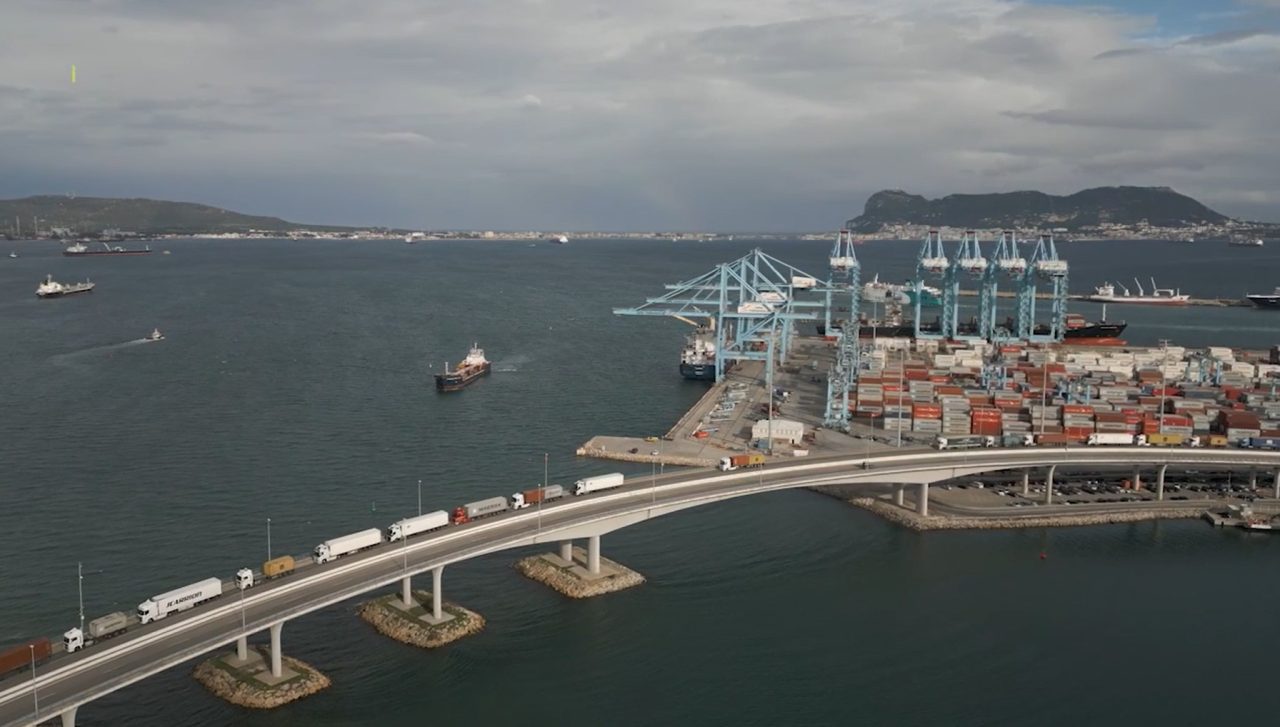
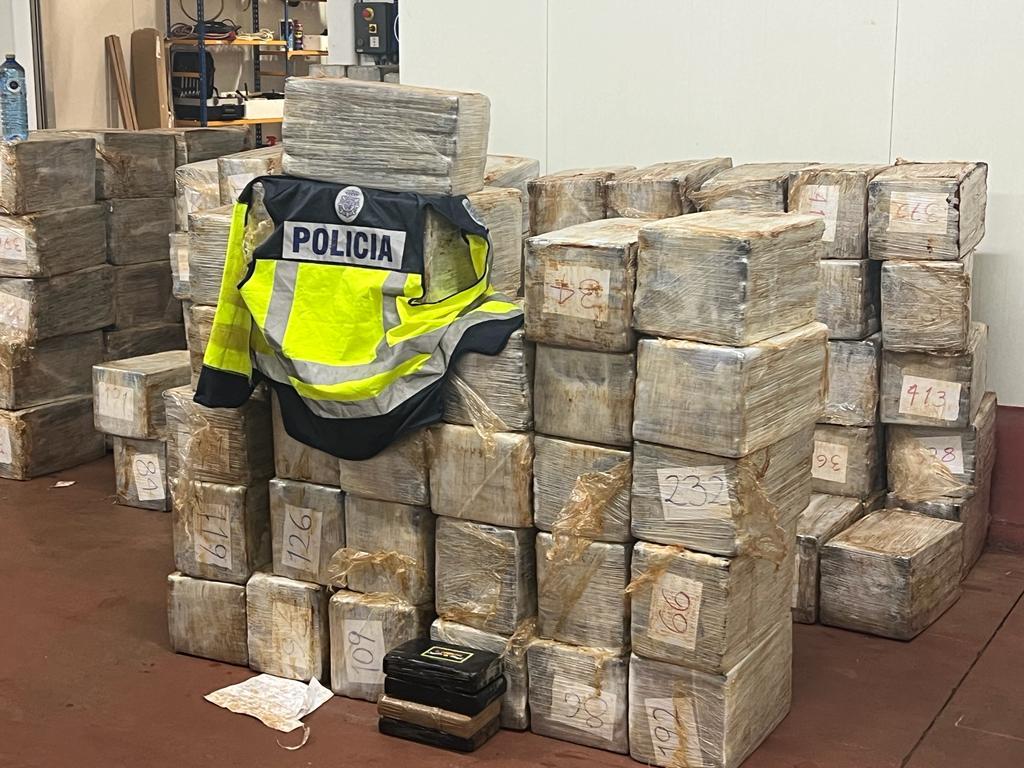
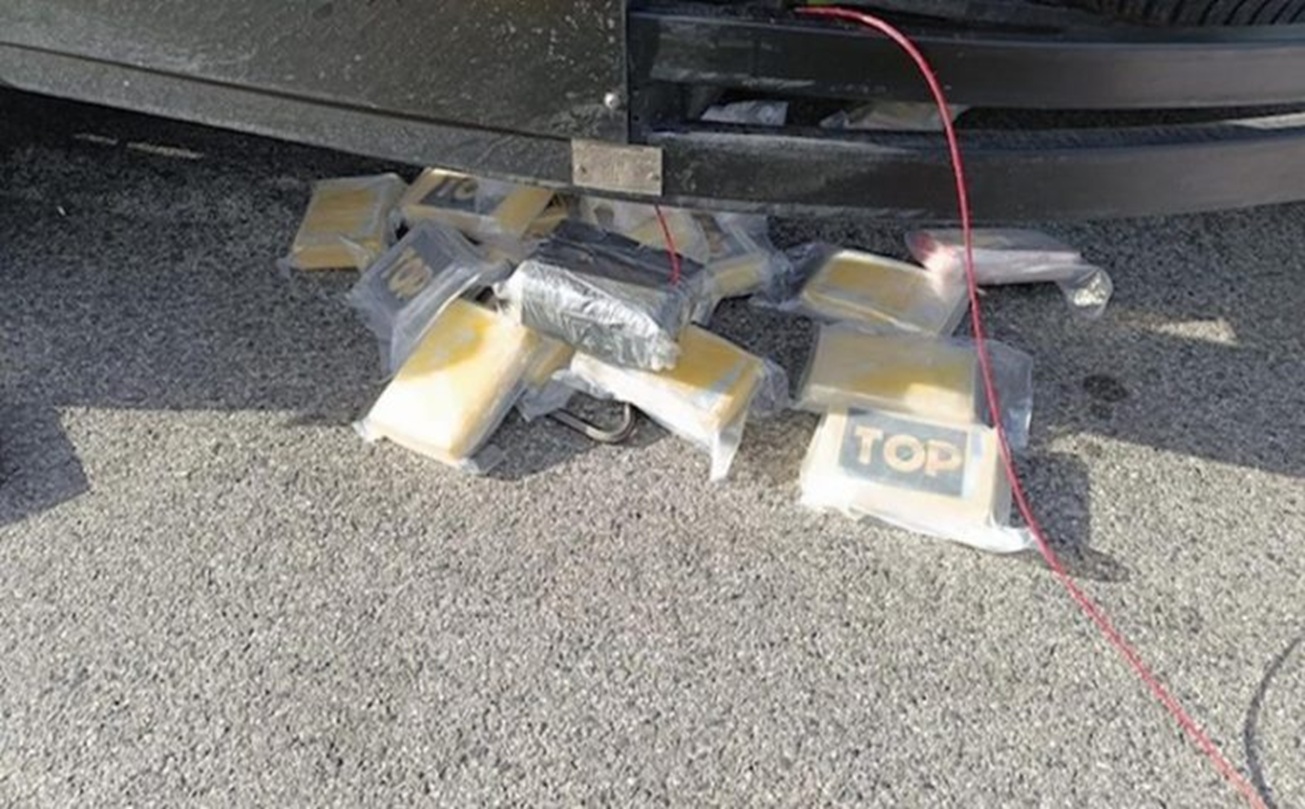
Aunque existen múltiples factores que explican lo sucedido, la situación en Ceuta pone de manifiesto una evidente negligencia por parte de la administración. En este contexto, resulta relevante mencionar el narcotráfico, dado que el principal puerto del país, donde se confiscó el mayor cargamento de cocaína de la historia en un contenedor, 13.000 kilos en la trama del inspector jefe corrupto, carece en la actualidad de un escáner operativo para detectar armas o drogas.
En efecto, en el puerto de Algeciras no se están revisando los contenedores que requieren una inspección física tras ser clasificados para el canal rojo mediante un escáner. Desde hace seis meses, las mercancías transportadas en contenedores en los muelles de Algeciras no han sido sometidas a revisión con un escáner. Durante los primeros siete meses del año, por este puerto han transitado 59 millones de toneladas.
Esta información fue revelada por Rafa Márquez de Europa Sur, y debería ser considerada un escándalo de gran magnitud, en el que tanto la Autoridad Portuaria como el Ministerio del Interior deben proporcionar explicaciones sobre cómo es posible que, durante más de seis meses, no haya un escáner que reemplace al que quedó dañado tras un temporal en febrero. Sin aparente urgencia, no se ha reparado dicho escáner y ha transcurrido un tiempo excesivo para licitar uno nuevo.

La borrasca Leonardo fue la responsable de causar daños irreparables en el sistema de escáner que operaba Vigilancia Aduanera en febrero. Desde entonces, las inspecciones manuales son escasas y, en muchas ocasiones, dependen del instinto de los agentes.
El principal puerto de España cuenta actualmente con una furgoneta equipada con un escáner (equipo Medusa) que puede realizar revisiones de vehículos, pero resulta claramente insuficiente para el volumen de tráfico existente en un lugar como Algeciras, donde diariamente se manejan miles de contenedores.
La falta de un escáner implica que los agentes de Vigilancia Aduanera revisen un número considerablemente menor de contenedores durante sus horas de trabajo, ya que ahora deben llevar a cabo todas las inspecciones de manera física, basándose únicamente en la información proporcionada por el servicio de análisis de riesgos. Solo se realizan inspecciones cuando cuentan con datos concretos.
En consecuencia, el puerto de Algeciras presenta en la actualidad una brecha de seguridad inaceptable. El sindicato Jucil también ha señalado esta vulnerabilidad y la necesidad de contar con aproximadamente 30 agentes más de forma permanente en las instalaciones del puerto.
Las organizaciones criminales están al tanto de esta situación y, seguramente, alijos de cocaína y otros bienes de contrabando que estaban destinados a otros puertos han terminado finalmente en Algeciras.
De las 59 millones de toneladas de mercancías que ingresaron en los primeros siete meses del año, únicamente aquellas que llegaron en enero y hasta la primera semana de febrero tuvieron la oportunidad de ser escaneadas con la tecnología más avanzada para detectar anomalías en los contenedores.

El tiempo transcurrido se atribuye, una vez más, a un conflicto político, dado que el nuevo escáner había sido adjudicado a una empresa de origen chino y Estados Unidos, en virtud de un acuerdo bilateral en materia de seguridad con España, ha bloqueado el proceso, argumentando que su competidor estratégico no puede tener control sobre el acceso a mercancías que, en parte, podrían terminar en su territorio. Una vez más, la injerencia de un país tercero repercute directamente en la seguridad nacional. Esta cuestión permanece sin resolución, mientras 13.000 contenedores diarios acceden al espacio Schengen sin ningún tipo de control. La Unión Europea también guarda silencio.
Toda la administración, desde el Gobierno hasta el último funcionario, debe abordar con seriedad estas deficiencias en materia de seguridad. No es el único problema relacionado con escáneres que enfrentan los puertos. En el de Málaga, una poderosa organización criminal infiltró su propio escáner en el puerto durante un año, entre 2023 y 2024, y los miembros de la organización lo operaban a su antojo.
En esa ocasión, se encontraba supuestamente implicado el jefe de la UAR (Unidad de Análisis de Riesgos) de Vigilancia Aduanera en el puerto. Esto implica que era la última persona responsable de autorizar o no la entrada de mercancías en territorio europeo. Este es uno de los casos de corrupción más relevantes en España, ya que evidencia que las mafias del narcotráfico poseen suficientes recursos financieros y el poder para corromper a individuos en posiciones clave. Esto tiene grandes implicaciones. En la jerarquía administrativa, las mafias son capaces de llegar a cualquier persona, dado que tienen el dinero suficiente para satisfacer cualquier demanda.
En otro ámbito de seguridad, el puerto de Vigo fue víctima de un grave ciberataque que, afortunadamente, no tuvo grandes repercusiones, ya que el departamento tecnológico del puerto logró aislar sus sistemas tras detectar el ataque en la madrugada del 24 de marzo. Los hackers que ejecutaron el ataque de ransomware podrían haber bloqueado temporalmente toda la operativa de mercancías del puerto.
De hecho, durante 72 horas, la operatividad digital del puerto de Vigo se vio afectada, lo que obligó a utilizar métodos manuales de emergencia en algunas operaciones.
La corrupción ineludible, la aparente dejadez de funciones y los ataques informáticos deben ser considerados prioridades en la lucha contra las amenazas externas. No solo en el ámbito del narcotráfico, dado que hay mucho más en juego, ya que los puertos son la clave que sostiene el modo de vida occidental en la actualidad.