NARCOTRÁFICO

La enorme guardería de los narcotraficantes de Madrid se encontraba en Huelva: 5.000 kilos de cocaína

Redaccion
La enorme guardería de los narcotraficantes de Madrid se encontraba en Huelva: 5.000 kilos de cocaína
Idioma

La enorme guardería de los narcotraficantes de Madrid se encontraba en Huelva: 5.000 kilos de cocaína

Título: La gran guardería de los narcotraficantes de Madrid se ubicaba en Huelva: 5.000 kilos de cocaína

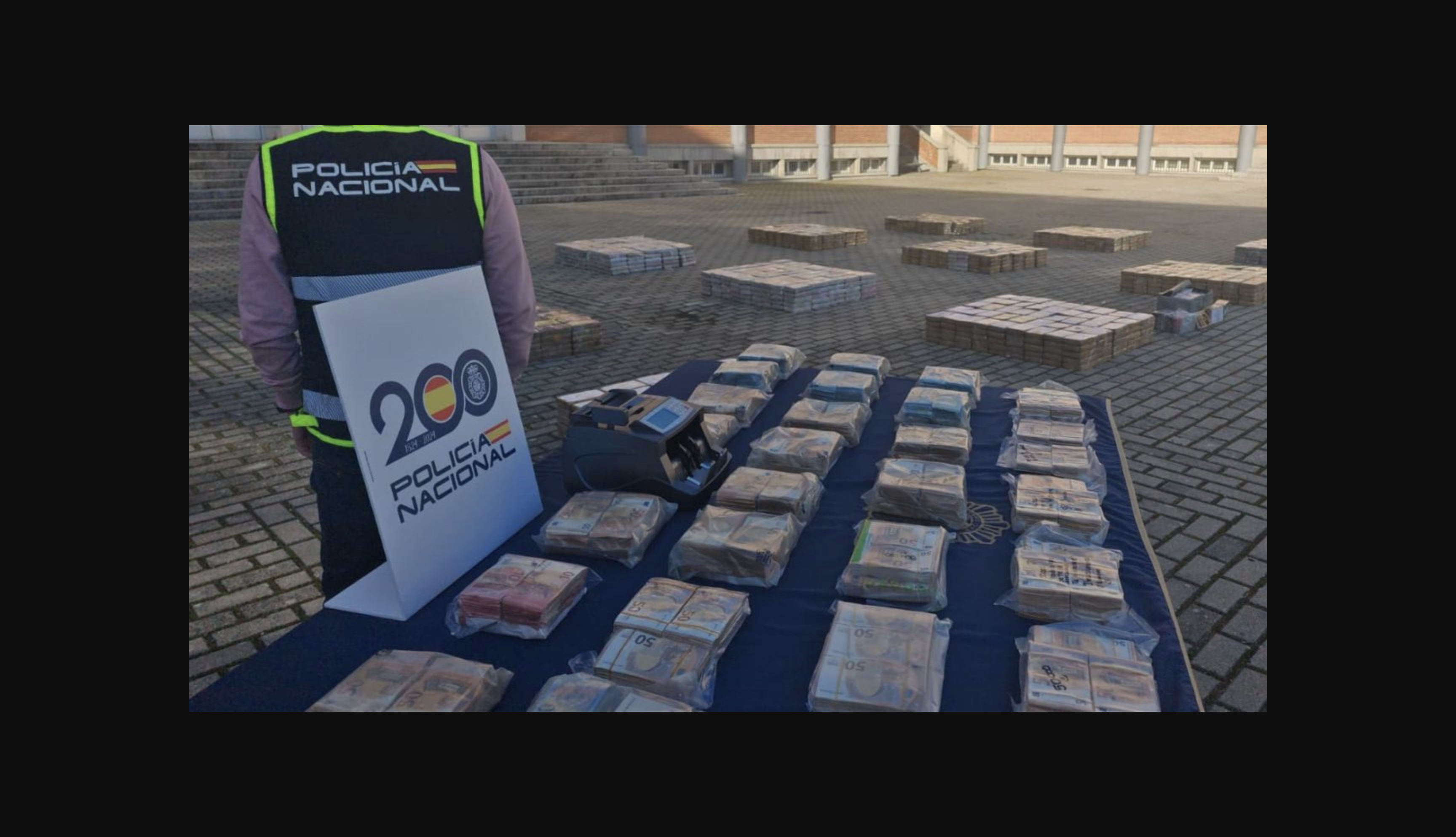
Contenido completo: Recientemente, el Cuerpo Nacional de Policía, mediante la Udyco Central, comunicó la desarticulación de la red de narcotraficantes más potente de Madrid, a la que se le incautaron más de 3.000 kilos de cocaína tras localizar los puntos de almacenamiento de la sustancia en las afueras de la capital de España. Ahora, los mismos agentes de la Brigada Central de Estupefacientes, en un operativo realizado por la sección desplazada en Cádiz y Huelva -Greco Cádiz-, han logrado identificar el lugar de origen de toda esa droga: un cortijo en Gibraleón, en la parte suroeste de España.

Después de las detenciones llevadas a cabo en Madrid, en su mayoría de ciudadanos neerlandeses y colombianos, la Policía Nacional comenzó a seguir la pista. En ese momento ya se había indicado que la droga procedía de la provincia de Huelva. No estaban equivocados. Esa pista los condujo al paraje de Las Calvillas, en Gibraleón. Allí se encontraba la ‘guardería’ desde donde se enviaban los impresionantes alijos que, finalmente, eran distribuidos a consumidores en diversos lugares, principalmente en Países Bajos.
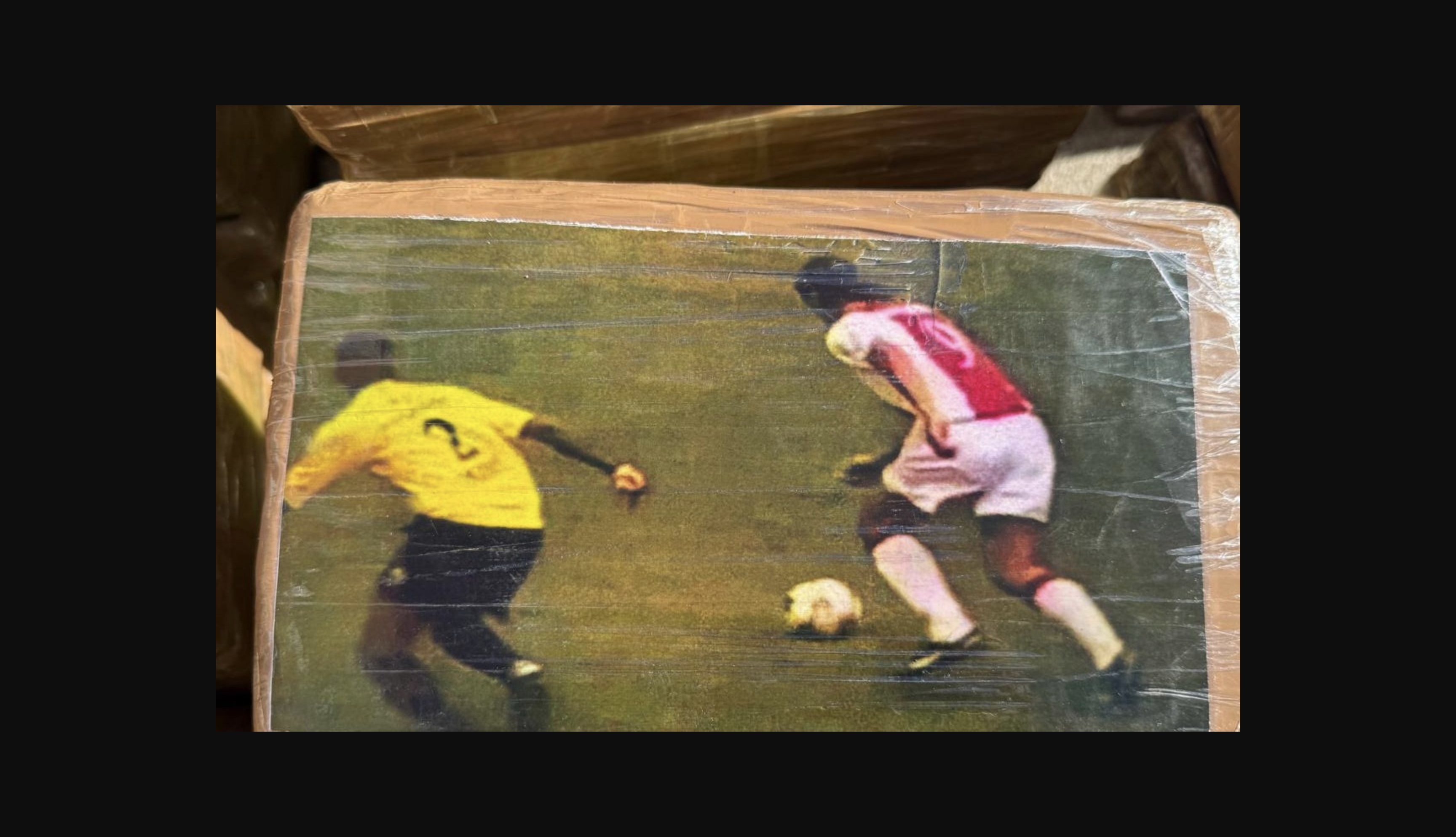
La habilidad de los agentes especializados en la lucha contra el narcotráfico les permitió volver a interceptar a los narcotraficantes en el acto. Detectaron la salida de un nuevo ‘pase’, en este caso de aproximadamente 1.300 kilos, a las puertas del cortijo. En ese instante, detuvieron a los transportistas, quienes contaban con armamento para proteger su operación. Una vez dentro de la ‘guardería’, tras asegurar el área, localizaron otros 3.700 kilos. Con una curiosidad que, por otra parte, ya había sido anticipada por los investigadores: los logotipos de la mercancía eran idénticos a los de la droga confiscada días antes en Madrid, haciendo referencia de manera evidente al prestigioso club de fútbol de los Países Bajos, el Ajax de Ámsterdam.

La operación incluyó al menos ocho arrestos, siendo la mayoría en Huelva, aunque también se realizaron detenciones en Sevilla. Existen dos individuos originarios de la provincia onubense, considerados probables responsables de la organización que introducía los alijos y los resguardaba en primera instancia, aunque la mayoría de los detenidos son extranjeros, pertenecientes a las mismas nacionalidades que en la operación de la capital.

Diversas fuentes indican que la droga está llegando a la provincia de Huelva a través de narcolanchas, utilizando las mismas rutas que históricamente se han empleado para el tráfico de hachís. Sin embargo, en la actualidad, la droga no se recoge en Marruecos, sino directamente en el Océano Atlántico, desde embarcaciones nodriza que provienen de Sudamérica, las cuales pueden ser buques mercantes, veleros, pesqueros o narcosubmarinos.
The enormous nursery of drug traffickers in Madrid was located in Huelva: 5,000 kilos of cocaine.

Title: The Major Nursery of Drug Traffickers in Madrid Was Located in Huelva: 5,000 Kilos of Cocaine

Full Content: Recently, the National Police Corps, through the Udyco Central, announced the dismantling of the most powerful drug trafficking network in Madrid, from which more than 3,000 kilos of cocaine were seized after locating the storage points of the substance on the outskirts of the Spanish capital. Now, the same agents from the Central Narcotics Brigade, in an operation carried out by the section deployed in Cádiz and Huelva - Greco Cádiz - have managed to identify the origin of all that drug: a farmhouse in Gibraleón, in the southwestern part of Spain.

After the arrests made in Madrid, mostly of Dutch and Colombian citizens, the National Police began to follow the trail. At that time, it had already been indicated that the drug originated from the province of Huelva. They were not mistaken. That lead took them to the area of Las Calvillas, in Gibraleón. There was the 'nursery' from where the impressive shipments were sent, which were ultimately distributed to consumers in various places, mainly in the Netherlands.

The skill of the agents specialized in the fight against drug trafficking allowed them to intercept the traffickers in the act. They detected the departure of a new 'shipment', in this case of approximately 1,300 kilos, at the doors of the farmhouse. At that moment, they arrested the transporters, who were armed to protect their operation. Once inside the 'nursery', after securing the area, they located another 3,700 kilos. With a curiosity that had already been anticipated by the investigators: the logos on the merchandise were identical to those of the drugs confiscated days earlier in Madrid, clearly referencing the prestigious football club from the Netherlands, Ajax of Amsterdam.

The operation included at least eight arrests, most of them in Huelva, although arrests were also made in Seville. There are two individuals from the province of Huelva, considered likely responsible for the organization that introduced the shipments and initially sheltered them, although most of the detainees are foreigners, belonging to the same nationalities as in the operation in the capital.

Various sources indicate that the drugs are arriving in the province of Huelva via narco-boats, using the same routes that have historically been employed for hashish trafficking. However, currently, the drugs are not picked up in Morocco, but directly in the Atlantic Ocean, from mother ships coming from South America, which can be merchant vessels, sailboats, fishing boats, or narco-submarines.

La enorme guardería de los narcotraficantes de Madrid se encontraba en Huelva: 5.000 kilos de cocaína | NarcoObservatorio