NARCOTRÁFICO

Tráfico de cocaína y hachís a gran escala entre Barcelona y Roma: el imperio de la Camorra

Redaccion
Tráfico de cocaína y hachís a gran escala entre Barcelona y Roma: el imperio de la Camorra
Idioma

Tráfico de cocaína y hachís a gran escala entre Barcelona y Roma: el imperio de la Camorra

Título: Cocaína y hachís a gran escala entre Barcelona y Roma: el negocio de la Camorra

Contenido completo: La semana pasada, fuentes judiciales informaron sobre un extenso operativo policial llevado a cabo en colaboración entre los Mossos d’Esquadra y las autoridades italianas, que resultó en la detención de diez personas, la mayoría de ellas pertenecientes a un clan familiar de La Florida, en Barcelona. Recientemente se ha revelado que esta redada formaba parte de una investigación internacional más amplia que llevó a la desarticulación de una organización con vínculos en la Camorra de Nápoles, la cual recibía grandes volúmenes de droga, especialmente cocaína, desde España.

De este modo, la División de Investigación Criminal (DIC) de los Mossos d’Esquadra ha logrado desmantelar una organización criminal internacional que se dedicaba fundamentalmente al tráfico de drogas a gran escala, realizando envíos periódicos de sustancias ocultas entre mercancía legal desde Cataluña hacia Italia.
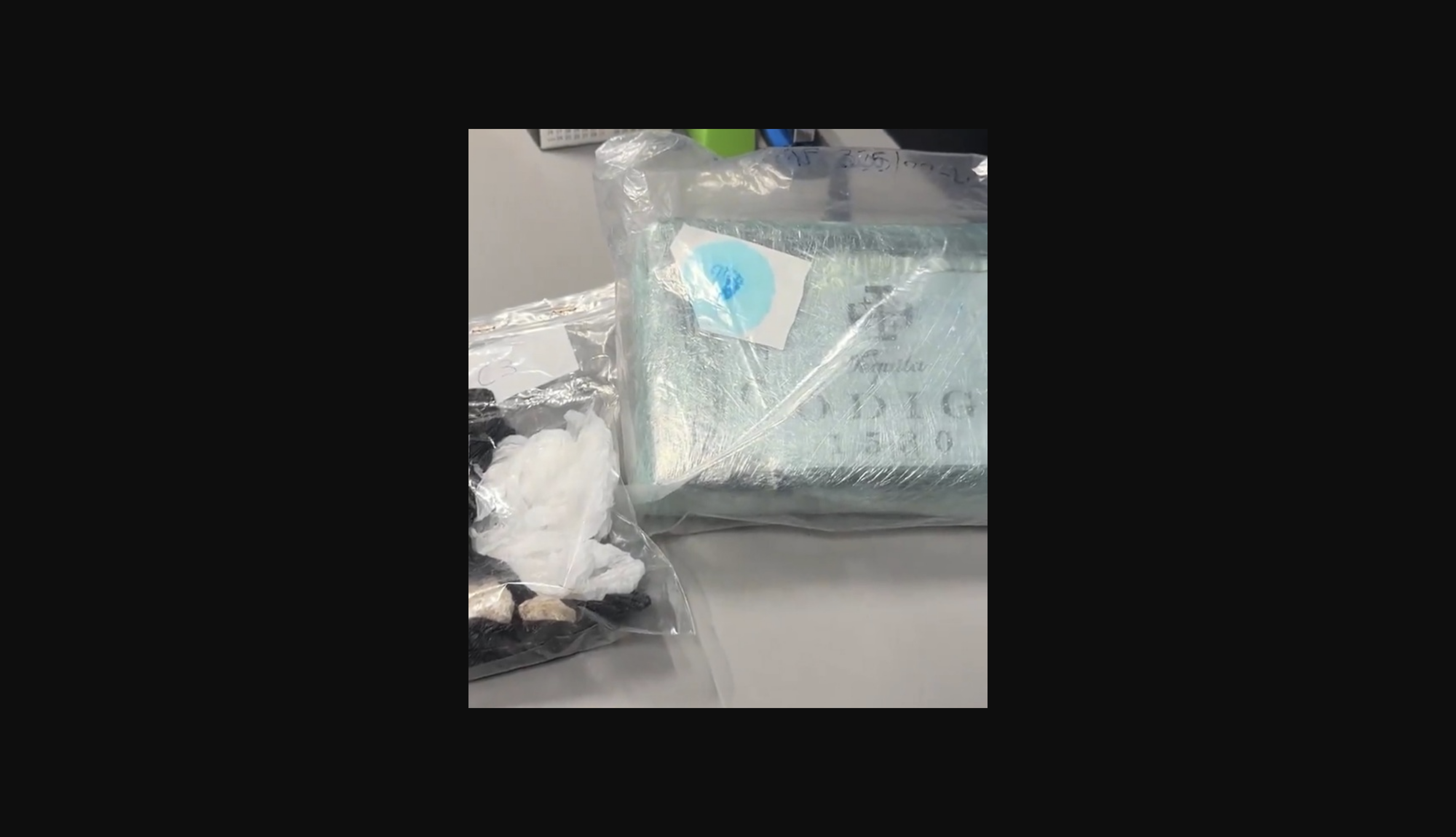
La investigación se inició el 7 de febrero de 2025 en Cornellà, tras una actuación de la Guardia Urbana de la localidad, que detectó una presunta transacción de sustancias estupefacientes en un polígono, entre un camionero y el conductor de un automóvil. Como resultado de las verificaciones realizadas, se intervino el vehículo en el que se transportaban tres mochilas que contenían 70 kilos de cocaína.

A partir de estos acontecimientos, la DIC asumió una investigación compleja que permitió confirmar la presencia de una organización criminal en la ciudad de Barcelona, desde donde se adquirían las sustancias estupefacientes, se organizaban los transportes y se coordinaba toda la operativa necesaria para trasladar y ocultar la droga, ya fuera mediante camiones o a través de rutas marítimas utilizando ferrys que partían del puerto de la ciudad condal.

Las primeras acciones llevadas a cabo por los investigadores permitieron identificar, de manera preliminar, a cuatro individuos implicados en la transacción fallida de febrero de 2025, que dio origen a la investigación de la DIC, dada la magnitud de los hechos.
El supuesto líder de la organización criminal, estrechamente vinculado a la mafia napolitana, junto a su pareja, poseía una vivienda de lujo en el barrio de Diagonal Mar de Barcelona, desde donde coordinaba la operativa para gestionar los transportes de la droga hacia Italia. El carácter itinerante del principal investigado, quien viajaba frecuentemente fuera del territorio nacional, complicó el avance de las investigaciones policiales.

Esta persona se encargaba de establecer contacto y reunirse con los presuntos proveedores de las sustancias estupefacientes, y una vez acordada la entrega, hacía que algún otro miembro de la red viajara desde Nápoles, pocos días y/o horas antes, para que recibiera la mercancía ilegal en un punto previamente establecido.

Cuando las cantidades de droga a transportar eran significativas, las transacciones se realizaban en una nave de Montcada i Reixac, donde se ocultaban entre la carga legal, que a menudo incluía fruta y pollos. En cambio, si se trataba de cantidades menores, los encuentros se llevaban a cabo en zonas industriales de Cornellà y Zona Franca, en plena vía pública, donde las bolsas con la droga eran traspasadas directamente a las cabinas de los camiones, todo en cuestión de segundos.
A partir de ese momento, los camiones, tras recibir la droga, iniciaban el transporte hacia Italia, ya fuera por carretera o esperando la salida de los ferrys desde el puerto de Barcelona, teniendo como destino final el puerto de Civitavecchia.

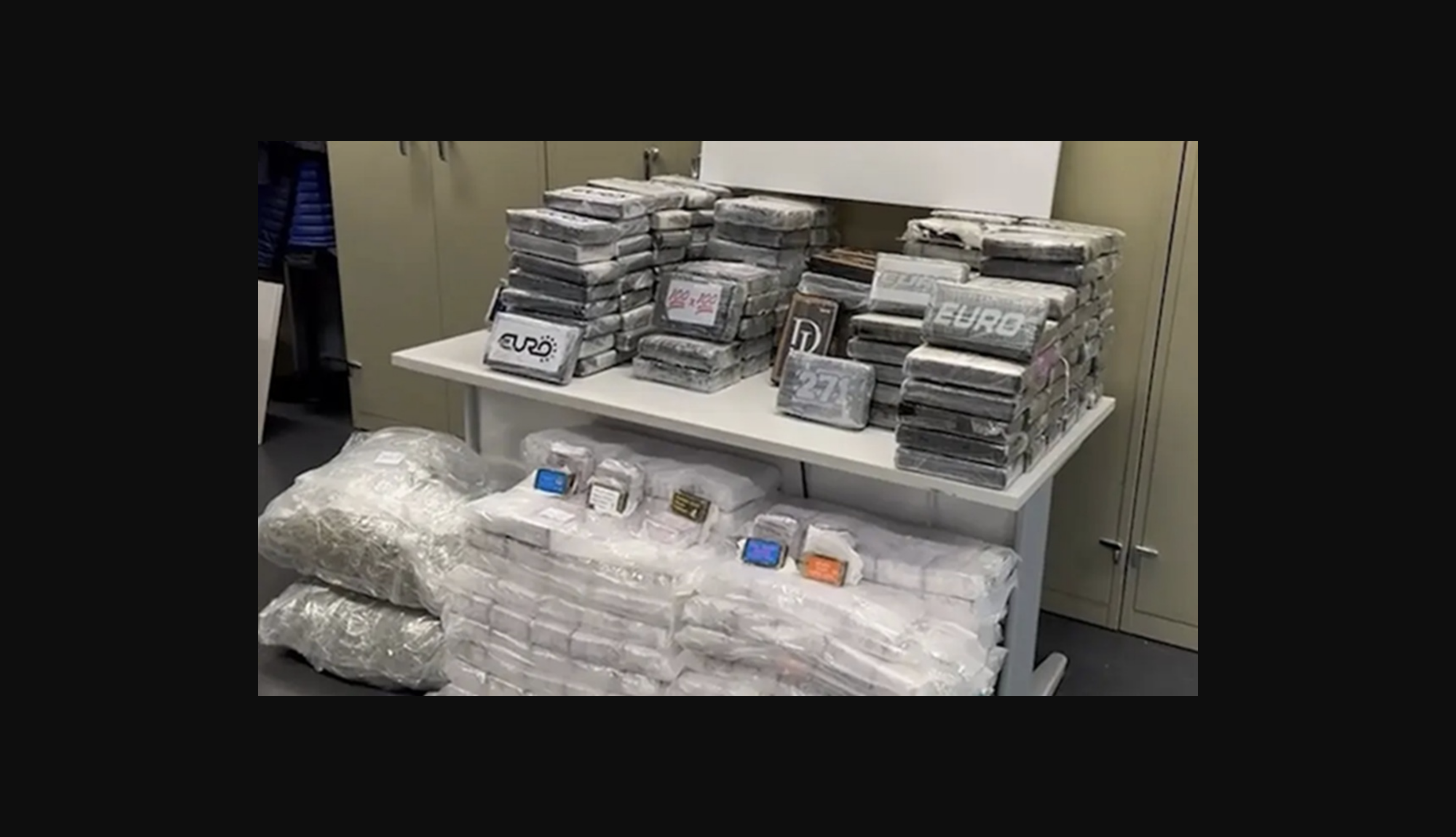
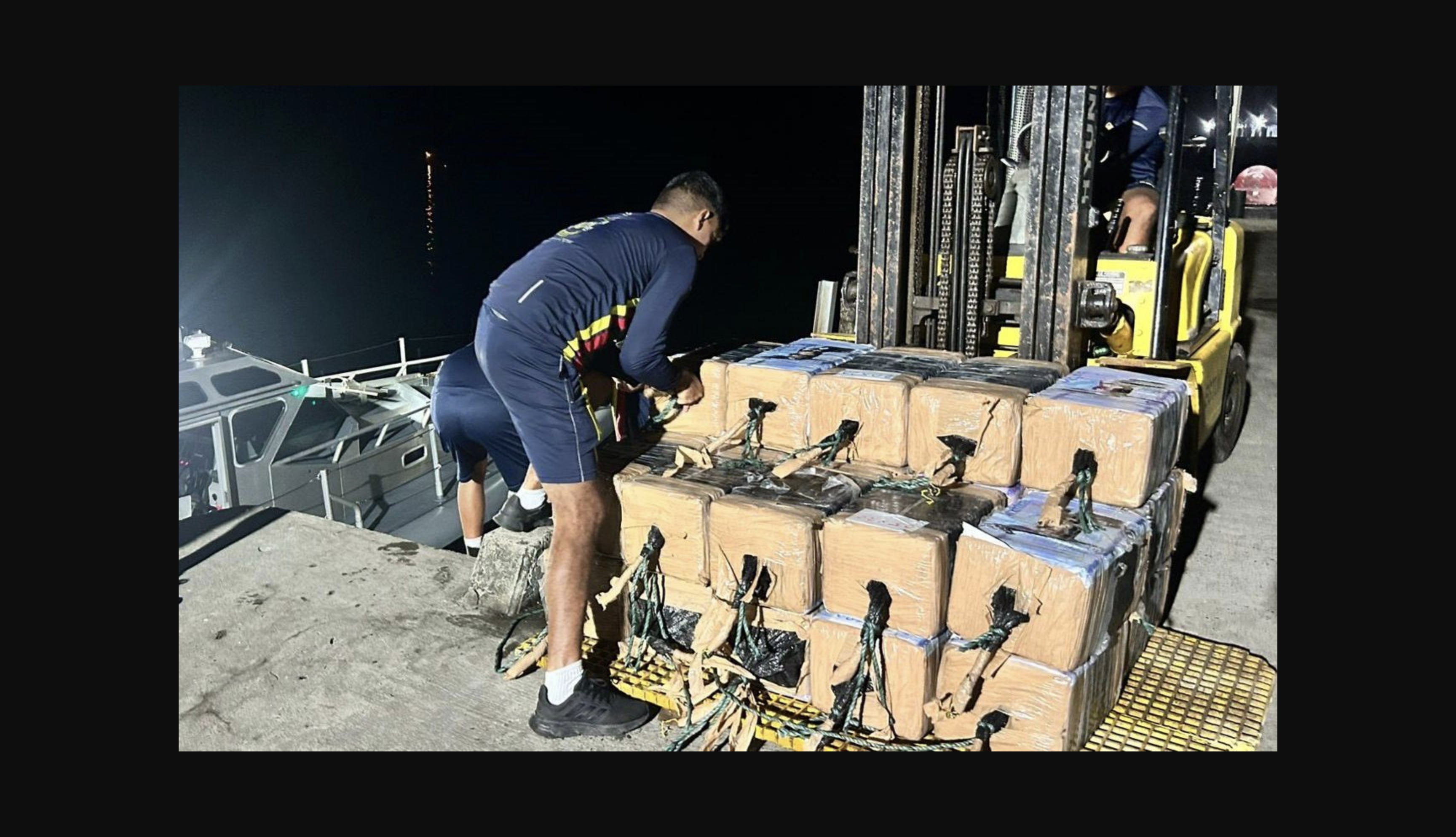
Durante el transcurso de la investigación, además de la intervención inicial de 70 kg de droga, se llevaron a cabo otras dos intervenciones que resultaron en la incautación de grandes cantidades de estupefacientes. El 1 de agosto, en Borrassà (Alt Empordà), se intervinieron 180 kilos de cocaína, 200 kilos de hachís y 10 kilos de marihuana en el interior de un camión que transportaba fruta con destino a Italia. El conductor del vehículo fue detenido.

Posteriormente, el 8 de septiembre, en Riudellots de la Selva (Selva Interior), en otro camión que esta vez transportaba pollos hacia Italia, se localizaron e intervinieron 49 kilos de cocaína y 307 kilos de hachís. En este caso, el camionero también fue arrestado.
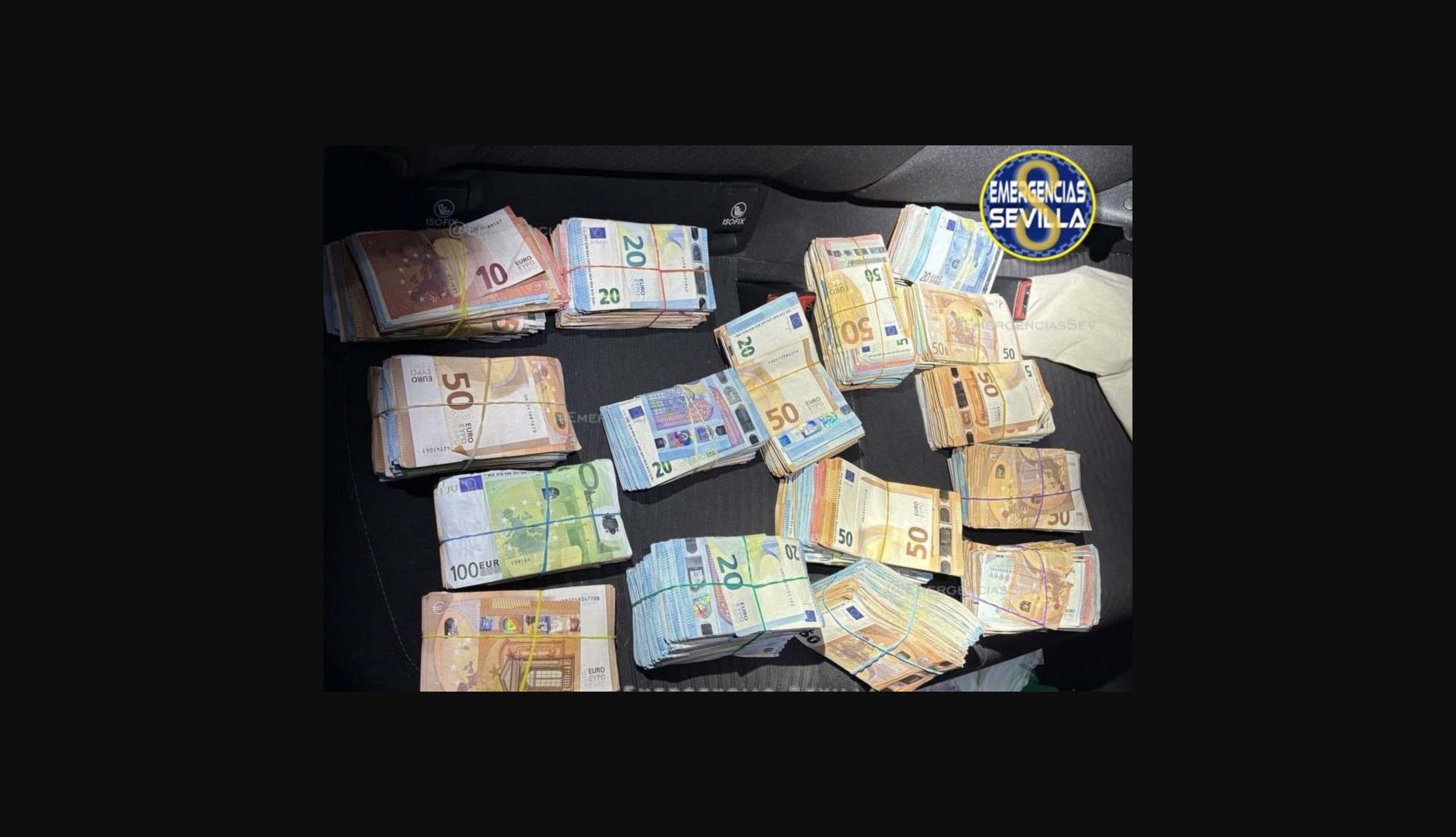
Desde el inicio de la investigación y hasta su culminación, los investigadores han relacionado la estructura criminal con una quincena de transportes terrestres de este tipo.

El núcleo principal de la organización estaba compuesto por individuos originarios de Nápoles, quienes en diversas ocasiones se habían reunido en Barcelona con miembros de la Camorra italiana. Estas conexiones, junto con el hecho de que durante la investigación se utilizaran algunos inmuebles y locales de Barcelona vinculados a operaciones anteriores con integrantes de esta organización criminal mafiosa, permitieron inferir una posible colaboración o pertenencia a la misma por parte de algunos de los investigados.

El pasado martes, 3 de marzo, aproximadamente 150 efectivos del Cuerpo de Mossos d’Esquadra participaron en la fase de explotación de esta investigación, para llevar a cabo las respectivas órdenes judiciales de entrada y registro en tres inmuebles de Barcelona y en seis de L'Hospitalet de Llobregat, así como para proceder a la detención de las personas localizables.
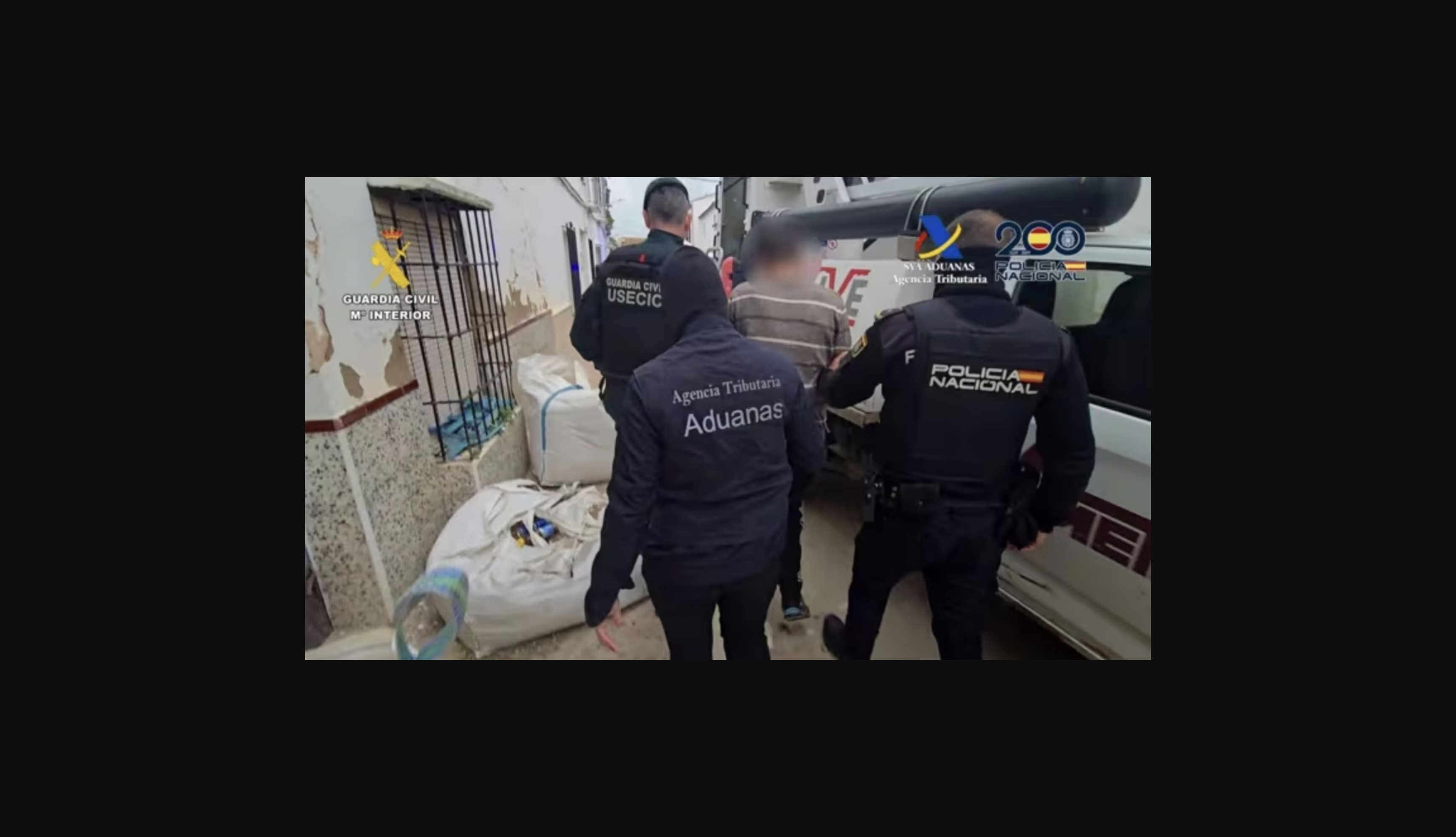
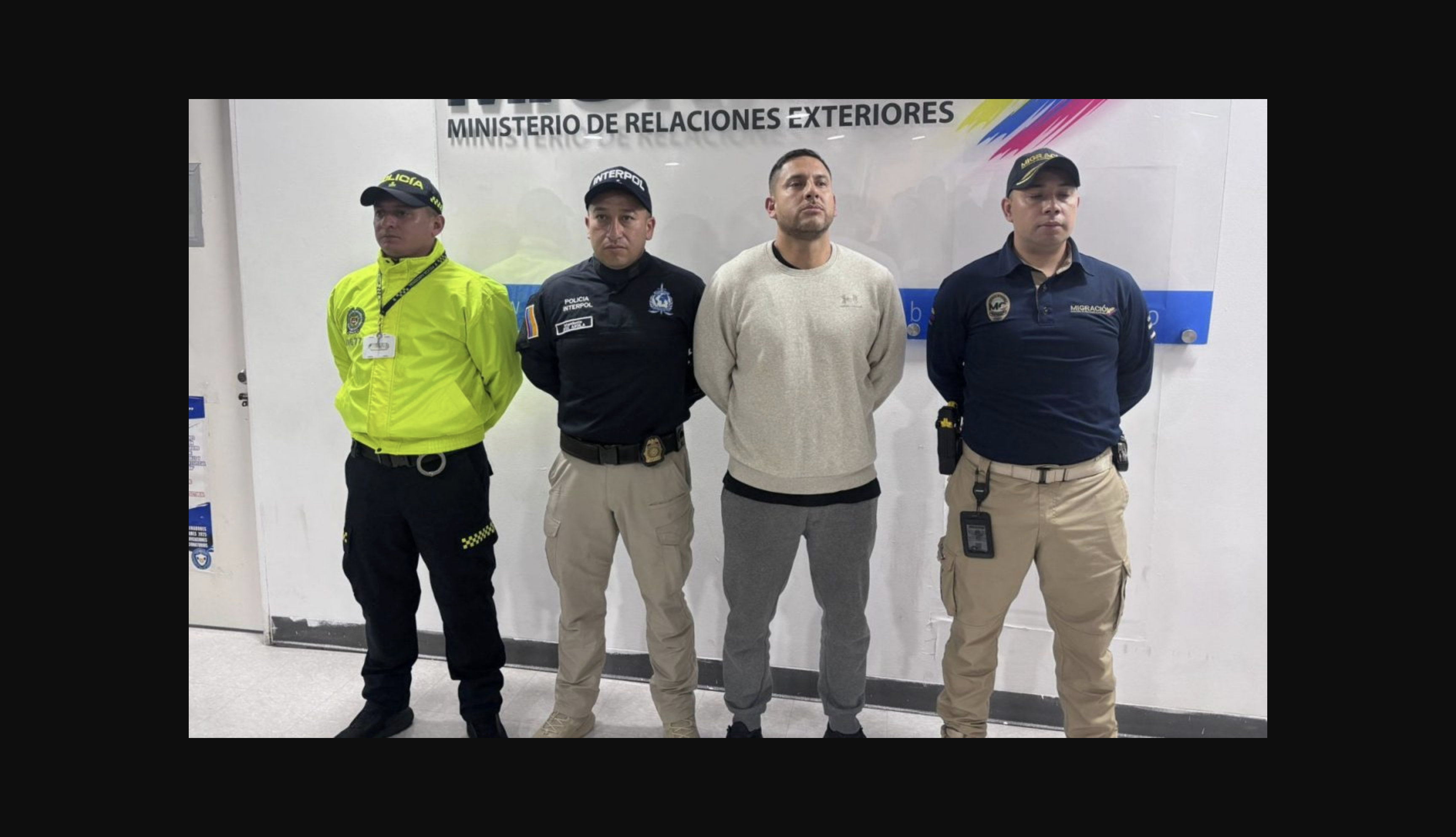
Como resultado de este operativo, se intervinieron más de dos kilos de cocaína y otras cantidades menores de metanfetamina, marihuana y hachís. También se confiscaron más de 140 mil euros en efectivo, dispositivos de telefonía, un vehículo de alta gama y una motocicleta. Se detuvo a diez personas que el pasado 5 de marzo fueron puestas a disposición judicial ante el Tribunal de Instancia de Cornellà.

A todos los detenidos se les imputa un delito contra la salud pública así como pertenencia a la organización criminal.

Cocaine and hashish trafficking on a large scale between Barcelona and Rome: the Camorra empire

Title: Cocaine and hashish on a large scale between Barcelona and Rome: the Camorra's business

Full content: Last week, judicial sources reported on an extensive police operation carried out in collaboration between the Mossos d’Esquadra and Italian authorities, resulting in the arrest of ten individuals, most of whom belonged to a family clan from La Florida, in Barcelona. It has recently been revealed that this raid was part of a broader international investigation that led to the dismantling of an organization with ties to the Camorra of Naples, which received large volumes of drugs, especially cocaine, from Spain.

Thus, the Criminal Investigation Division (DIC) of the Mossos d’Esquadra has managed to dismantle an international criminal organization primarily dedicated to large-scale drug trafficking, making periodic shipments of concealed substances among legal goods from Catalonia to Italy.

The investigation began on February 7, 2025, in Cornellà, following an action by the local Urban Guard, which detected a suspected drug transaction in an industrial area between a truck driver and the driver of a car. As a result of the checks carried out, the vehicle was seized, in which three backpacks containing 70 kilograms of cocaine were transported.

Following these events, the DIC undertook a complex investigation that confirmed the presence of a criminal organization in the city of Barcelona, from where the drugs were acquired, transport was organized, and all necessary operations to move and conceal the drugs were coordinated, whether by truck or through maritime routes using ferries departing from the port of the city.

The initial actions carried out by investigators allowed for the preliminary identification of four individuals involved in the failed transaction of February 2025, which gave rise to the DIC investigation, given the magnitude of the events.

The alleged leader of the criminal organization, closely linked to the Neapolitan mafia, along with his partner, owned a luxury home in the Diagonal Mar neighborhood of Barcelona, from where he coordinated operations to manage the transport of drugs to Italy. The itinerant nature of the main suspect, who frequently traveled outside the national territory, complicated the progress of the police investigations.

This individual was responsible for establishing contact and meeting with the alleged suppliers of the drugs, and once the delivery was agreed upon, he would have another member of the network travel from Naples, a few days and/or hours prior, to receive the illegal goods at a previously established point.

When the quantities of drugs to be transported were significant, transactions took place in a warehouse in Montcada i Reixac, where they were hidden among legal cargo, which often included fruit and chickens. In contrast, if it involved smaller amounts, meetings were held in industrial areas of Cornellà and Zona Franca, in public spaces, where bags with the drugs were directly transferred to the cabins of the trucks, all in a matter of seconds.

From that moment on, the trucks, after receiving the drugs, began transport to Italy, either by road or waiting for the departure of ferries from the port of Barcelona, with the final destination being the port of Civitavecchia.

During the course of the investigation, in addition to the initial seizure of 70 kg of drugs, two other interventions were carried out that resulted in the confiscation of large quantities of narcotics. On August 1, in Borrassà (Alt Empordà), 180 kilograms of cocaine, 200 kilograms of hashish, and 10 kilograms of marijuana were seized from a truck transporting fruit to Italy. The driver of the vehicle was arrested.

Subsequently, on September 8, in Riudellots de la Selva (Selva Interior), in another truck that was transporting chickens to Italy, 49 kilograms of cocaine and 307 kilograms of hashish were located and seized. In this case, the truck driver was also arrested.

From the beginning of the investigation until its conclusion, investigators have linked the criminal structure to about fifteen land transports of this type.

The core of the organization was composed of individuals from Naples, who had met several times in Barcelona with members of the Italian Camorra. These connections, along with the fact that some properties and premises in Barcelona linked to previous operations with members of this mafia criminal organization were used during the investigation, allowed for the inference of possible collaboration or membership in the same by some of those investigated.

Last Tuesday, March 3, approximately 150 members of the Mossos d’Esquadra participated in the exploitation phase of this investigation, to carry out the respective judicial orders for entry and search in three properties in Barcelona and six in L'Hospitalet de Llobregat, as well as to proceed with the arrest of the individuals who could be located.

As a result of this operation, more than two kilograms of cocaine and other smaller amounts of methamphetamine, marijuana, and hashish were seized. More than 140,000 euros in cash, communication devices, a high-end vehicle, and a motorcycle were also confiscated. Ten individuals were arrested and were brought before the Court of First Instance of Cornellà on March 5.

All detainees are charged with a crime against public health as well as membership in the criminal organization.

Tráfico de cocaína y hachís a gran escala entre Barcelona y Roma: el imperio de la Camorra | NarcoObservatorio