NARCOTRÁFICO

La narrativa del New Polar: un camino de la cocaína entre Galicia y Uruguay

Redaccion
La narrativa del New Polar: un camino de la cocaína entre Galicia y Uruguay
Idioma

La narrativa del New Polar: un camino de la cocaína entre Galicia y Uruguay

Título: La historia del New Polar: una ruta de la cocaína entre Uruguay y Galicia

El manejo de fuentes resulta siempre complicado para los integrantes de las Fuerzas y Cuerpos de Seguridad del Estado, quienes, sin embargo, no pueden prescindir de ellas, dado que representan una valiosa fuente de información para sus pesquisas. En numerosas ocasiones, esas fuentes, reclutadas porque en algún momento estuvieron al margen de la ley, no cumplen con los acuerdos establecidos. Por el contrario, se aprovechan de su condición para dedicarse al tráfico. Esto fue lo que ocurrió en el caso del New Polar, que fue registrado en 2019 a su llegada al puerto de Cangas do Morrazo.

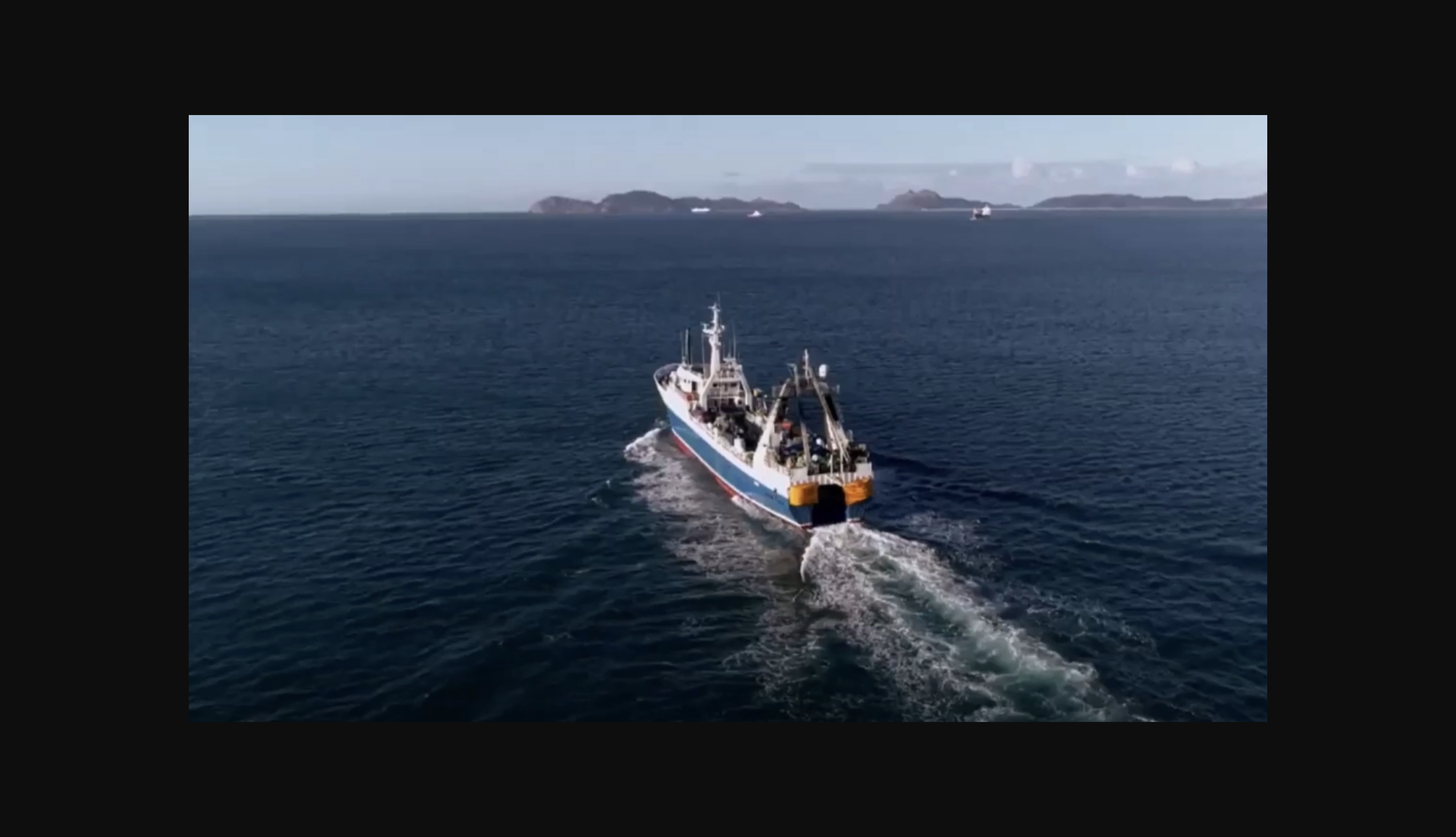
La embarcación pesquera, que había sido recientemente reformada para incrementar su eslora y capacidad operativa, realizaba en aquel entonces de manera habitual la ruta marítima entre Montevideo, la capital de Uruguay, y Cangas, en la provincia de Pontevedra. Aprovechando las mareas, una organización criminal que se había infiltrado en la tripulación introducía grandes cargamentos de cocaína sudamericana en Galicia.
La Unidad Central Operativa estaba al tanto de esta situación, ya que contaba con un confidente entre aquellos infiltrados. Sin embargo, en un determinado momento, ese supuesto confidente, uno de los cocineros del barco pesquero, decidió jugar a dos bandas y utilizar la información que poseía para intentar apoderarse de un alijo.

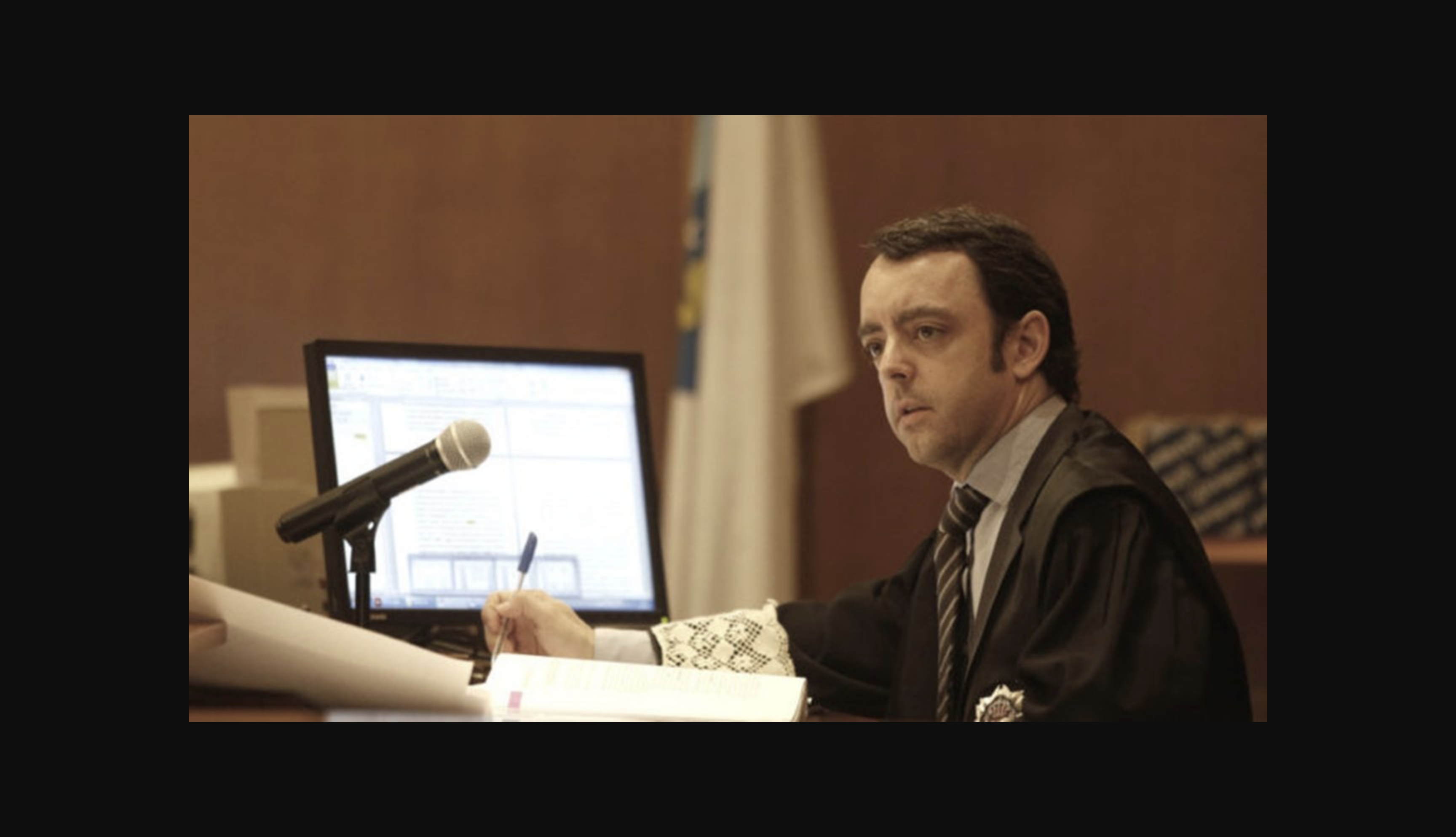
Todo lo anterior quedó debidamente acreditado en la Sección Segunda de la Audiencia Provincial de Pontevedra, que, aunque no condenó a todos los acusados, sí lo hizo con los tres principales, a saber, el mencionado cocinero-confidente-narcotraficante y dos personas vinculadas a la recepción del cargamento. En lo que respecta a los agentes de la UCO de Madrid, su testimonio resultó completamente incoherente durante la sesión plenaria, lo que generó sorpresa y descontento en el entonces fiscal Antidroga, actualmente fiscal jefe, Pablo Varela, quien optó por solicitar la deducción de testimonio por si hubieran mentido en unos hechos que no quedaron completamente esclarecidos.

En las últimas horas, se ha cerrado la vía de los recursos. La sentencia del Tribunal Supremo ratifica las dos anteriores, la mencionada de la Audiencia pontevedresa y la posterior del Tribunal Superior de Xustiza de Galicia (TSXG), que había reducido la pena de uno de los acusados.
El fiscal se refirió en su momento a «sucesivas partidas de cocaína que desde Uruguay traían a España gracias a los contactos que en aquel país mantenían con los proveedores de la sustancia, así como las funciones que desempeñaban los empleados de la cocina del barco pesquero de altura con escala en Uruguay, en el que ocultaban las partidas de cocaína hasta que llegaban a nuestro territorio». Todo esto quedó debidamente acreditado.

Respecto al narco-cocinero, quien «mantenía contactos con agentes de la UCO para proporcionarles información sobre dinámicas similares a las descubiertas pero llevadas a cabo por tripulaciones de otros barcos de pesca», el fiscal señala que «se valía de su aparente colaboración para resguardar su propia actuación personal, llevando a cabo, de manera encubierta, ese mismo tipo de actividad delictiva».

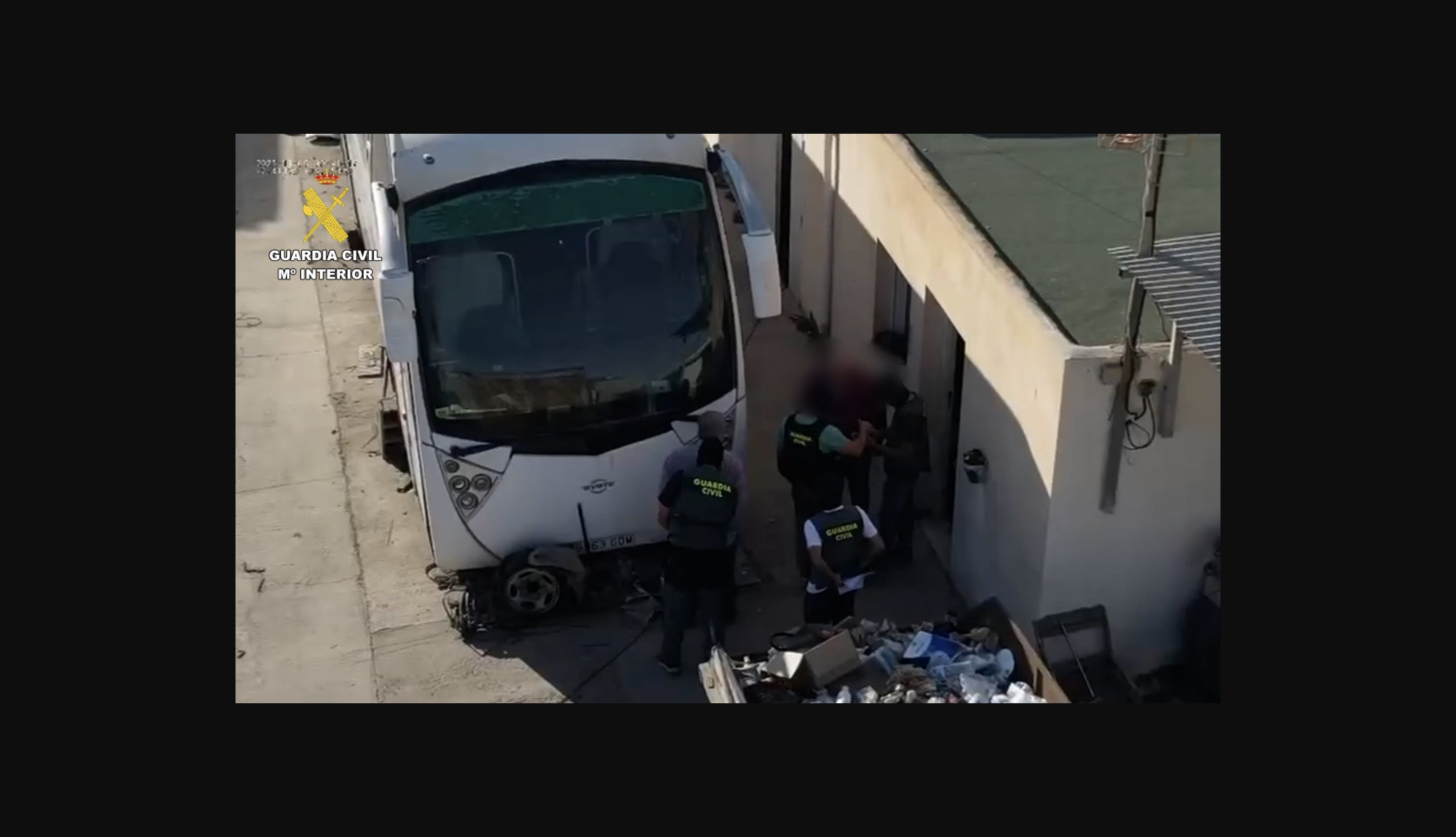
De este modo, el Edoa de Pontevedra (Equipo de Delincuencia Organizada y Antidroga) comenzó a vigilarlo, todo esto tras que su conducta despertase sospechas en la UCO. En primer lugar, se constató una reunión sospechosa en Pontevedra. Posteriormente, los agentes corroboraron los movimientos del supuesto confidente para intentar retirar la droga del New Polar en mayo de 2019, cuando el buque atracó en Cangas, ya bajo estricto control policial.
Finalmente, el cocinero, tras darse cuenta de que le resultaba imposible hacerse con el alijo sin levantar sospechas, intentó salvarse indicando a la UCO el lugar donde ocultaba el cargamento. No obstante, él ignoraba que ya había sido descubierto.

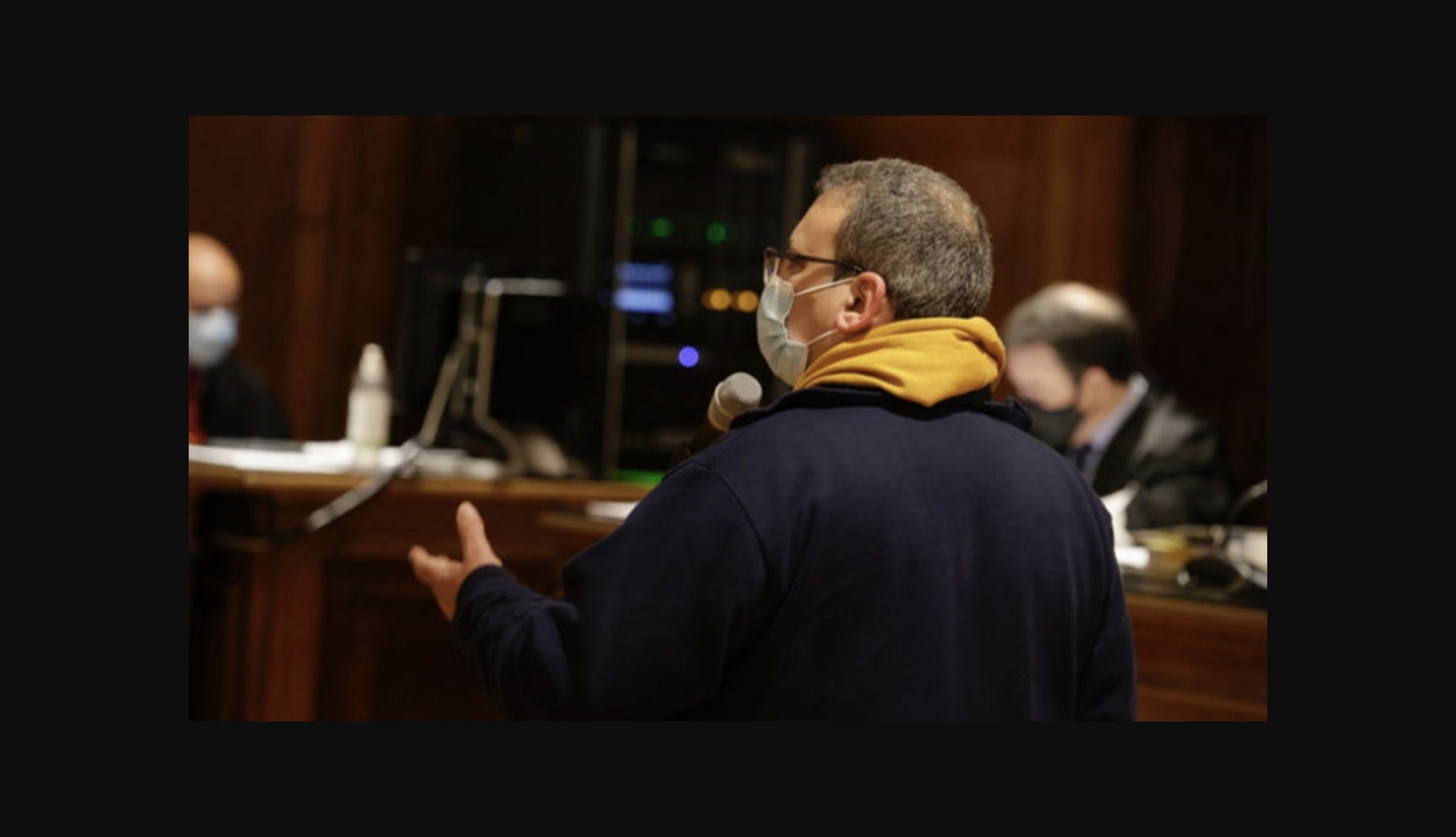
Durante el juicio, que se desarrolló en ocho extensas jornadas seguidas al detalle por este medio, el confidente terminó afirmando, en su turno de última palabra, que trató de advertir a los agentes para los que supuestamente trabajaba, pero que no pudo hacerlo. «Quixen falar con eles xa dende Montevideo para avisarlles da droga que viña no barco, pero non puiden. Tamén tiña medo a que me puidera traicionar, como é evidente que así foi», declaró.

El acusado apuntó directamente a los dos agentes y cuestionó las declaraciones de todos los miembros de la Guardia Civil: «Está claro que uns protexen ós outros. O meu erro foi traballar con Perico (nombre ficticio del agente), porque deixáronme tirado, abandonáronme sen importarlles o que me pasara a min e á miña familia».
Respecto a las declaraciones de los agentes de la UCO, el fiscal cuestionó cada una de sus respuestas, en las cuales no lograron explicar los beneficios que la Guardia Civil obtuvo de su colaboración durante seis años con el confidente. Pablo Varela recordó a uno de ellos que este colaborador había estado desde 2013 ‘trabajando’ con ellos, y le preguntó por los resultados. La respuesta fue bastante genérica.

Otro aspecto que indignó al fiscal fue la ‘amnesia’ que mostró ante el tribunal el guardia cuando le preguntaron sobre cuestiones tan concretas como qué aportaba el confidente al grupo criminal. La respuesta del miembro de la UCO fue un silencio sospechoso.

Un elemento adicional que generó reflexión se reveló durante la declaración del otro funcionario de la UCO involucrado en el caso, quien mencionó que en el año 2013, en la Comandancia de la Guardia Civil de Pontevedra, se tomó declaración a la esposa del narco-cocinero, quien se presentó para denunciarle por un presunto caso de violencia de género. Al mismo tiempo, la mujer informó a los agentes que su marido, quien era marinero, «traía de vez en cuando paquetes de cocaína desde Uruguay». Se supo que la denunciante incluso llevó algunas bolsas que habrían sido utilizadas para transportar la droga. Y hasta seis años después, en 2019, esta persona no sería detenida.
Desde el año 2013, cuando el ahora condenado comenzó a desempeñarse como confidente de la Guardia Civil y, en concreto, de la UCO, el encausado se jactaba de introducir droga en cada marea, es decir, en cada viaje que realizaba desde Montevideo a bordo del New Polar. Sin embargo, los agentes no le creyeron. En el juicio, el cocinero aseguró que en el caso de 2019 recolectó la droga bajo coacción. «Me pusieron una pistola en el pecho», aseguró durante el juicio.

En lo que respecta a las penas definitivas, se establecieron cuatro años de prisión para el confidente, quien confesó los hechos, lo que le permitió beneficiarse de una atenuante muy cualificada. Penas más severas, de seis años de cárcel en cada caso, fueron impuestas a la persona que actuaba como enlace de la organización criminal en España y a la que tenía la misión de recepcionar la droga. La presente sentencia del Supremo ya no admite recurso alguno.

The narrative of the New Polar: a cocaine route between Galicia and Uruguay

Title: The story of the New Polar: a cocaine route between Uruguay and Galicia

Managing sources is always complicated for members of the State Security Forces and Corps, who, however, cannot do without them, as they represent a valuable source of information for their investigations. On numerous occasions, these sources, recruited because they were once on the fringes of the law, do not comply with the established agreements. On the contrary, they take advantage of their status to engage in trafficking. This was the case with the New Polar, which was recorded in 2019 upon its arrival at the port of Cangas do Morrazo.

The fishing vessel, which had recently been refurbished to increase its length and operational capacity, was then routinely making the maritime route between Montevideo, the capital of Uruguay, and Cangas, in the province of Pontevedra. Taking advantage of the tides, a criminal organization that had infiltrated the crew was introducing large shipments of South American cocaine into Galicia.

The Central Operational Unit was aware of this situation, as it had an informant among those infiltrated. However, at a certain point, that supposed informant, one of the ship's cooks, decided to play both sides and use the information he possessed to try to seize a shipment.

All of the above was duly accredited in the Second Section of the Provincial Court of Pontevedra, which, although it did not convict all the accused, did convict the three main ones, namely, the aforementioned cook-informant-drug dealer and two individuals linked to the receipt of the shipment. Regarding the agents of the UCO from Madrid, their testimony was completely incoherent during the plenary session, which generated surprise and discontent in the then Anti-Drug Prosecutor, currently Chief Prosecutor, Pablo Varela, who opted to request the deduction of testimony in case they had lied about facts that were not completely clarified.

In recent hours, the avenue for appeals has been closed. The ruling of the Supreme Court ratifies the two previous ones, the aforementioned one from the Pontevedra Court and the subsequent one from the Superior Court of Justice of Galicia (TSXG), which had reduced the sentence of one of the accused.

The prosecutor referred at the time to "successive shipments of cocaine that were brought from Uruguay to Spain thanks to the contacts they maintained in that country with the substance's suppliers, as well as the roles played by the kitchen staff of the deep-sea fishing vessel with a stop in Uruguay, in which they hid the shipments of cocaine until they reached our territory." All of this was duly accredited.

Regarding the narco-cook, who "maintained contacts with UCO agents to provide them with information about similar dynamics discovered but carried out by crews of other fishing boats," the prosecutor points out that "he took advantage of his apparent collaboration to safeguard his own personal actions, covertly carrying out that same type of criminal activity."

Thus, the Edoa of Pontevedra (Organized Crime and Anti-Drug Team) began to monitor him, all after his behavior raised suspicions in the UCO. First, a suspicious meeting was confirmed in Pontevedra. Subsequently, the agents corroborated the movements of the supposed informant to attempt to retrieve the drugs from the New Polar in May 2019, when the ship docked in Cangas, already under strict police control.

Finally, the cook, realizing that it was impossible for him to seize the shipment without raising suspicions, tried to save himself by indicating to the UCO the location where he was hiding the cargo. However, he was unaware that he had already been discovered.

During the trial, which took place over eight extensive sessions closely followed by this medium, the informant ended up stating, in his final words, that he tried to warn the agents for whom he supposedly worked, but was unable to do so. "I wanted to talk to them from Montevideo to warn them about the drugs coming on the ship, but I couldn't. I was also afraid that I could be betrayed, as it is evident that this is what happened," he declared.

The accused pointed directly at the two agents and questioned the statements of all the members of the Civil Guard: "It is clear that some protect each other. My mistake was working with Perico (fictitious name of the agent), because they left me hanging, abandoned me without caring what happened to me and my family."

Regarding the statements of the UCO agents, the prosecutor questioned each of their responses, in which they failed to explain the benefits that the Civil Guard obtained from their collaboration over six years with the informant. Pablo Varela reminded one of them that this collaborator had been 'working' with them since 2013, and asked about the results. The response was quite generic.

Another aspect that outraged the prosecutor was the 'amnesia' displayed by the officer before the court when asked about specific issues such as what the informant contributed to the criminal group. The response from the UCO member was a suspicious silence.

An additional element that prompted reflection was revealed during the testimony of the other UCO official involved in the case, who mentioned that in 2013, at the Civil Guard Command in Pontevedra, the wife of the drug cook was interviewed, who came forward to report him for an alleged case of gender violence. At the same time, the woman informed the agents that her husband, who was a sailor, "occasionally brought packages of cocaine from Uruguay." It was learned that the complainant even brought some bags that had been used to transport the drug. And it would not be until six years later, in 2019, that this person would be arrested.

Since 2013, when the now-convicted individual began to serve as an informant for the Civil Guard and, specifically, for the UCO, the accused boasted of introducing drugs in every tide, that is, in every trip he made from Montevideo aboard the New Polar. However, the agents did not believe him. In court, the cook claimed that in the 2019 case he collected the drugs under duress. "They put a gun to my chest," he stated during the trial.

As for the final sentences, four years of imprisonment were established for the informant, who confessed to the facts, allowing him to benefit from a highly qualified mitigating factor. More severe sentences of six years in prison in each case were imposed on the person who acted as the link for the criminal organization in Spain and on the one tasked with receiving the drugs. The current ruling from the Supreme Court is no longer subject to appeal.

La narrativa del New Polar: un camino de la cocaína entre Galicia y Uruguay | NarcoObservatorio