NARCOTRÁFICO

Controversia en el sur de España: El Pastilla es declarado inocente en uno de sus crímenes.

Redaccion
Controversia en el sur de España: El Pastilla es declarado inocente en uno de sus crímenes.
Idioma

Controversia en el sur de España: El Pastilla es declarado inocente en uno de sus crímenes.

Título: Escándalo en el Sur de España: El Pastilla es absuelto del primero de sus crímenes

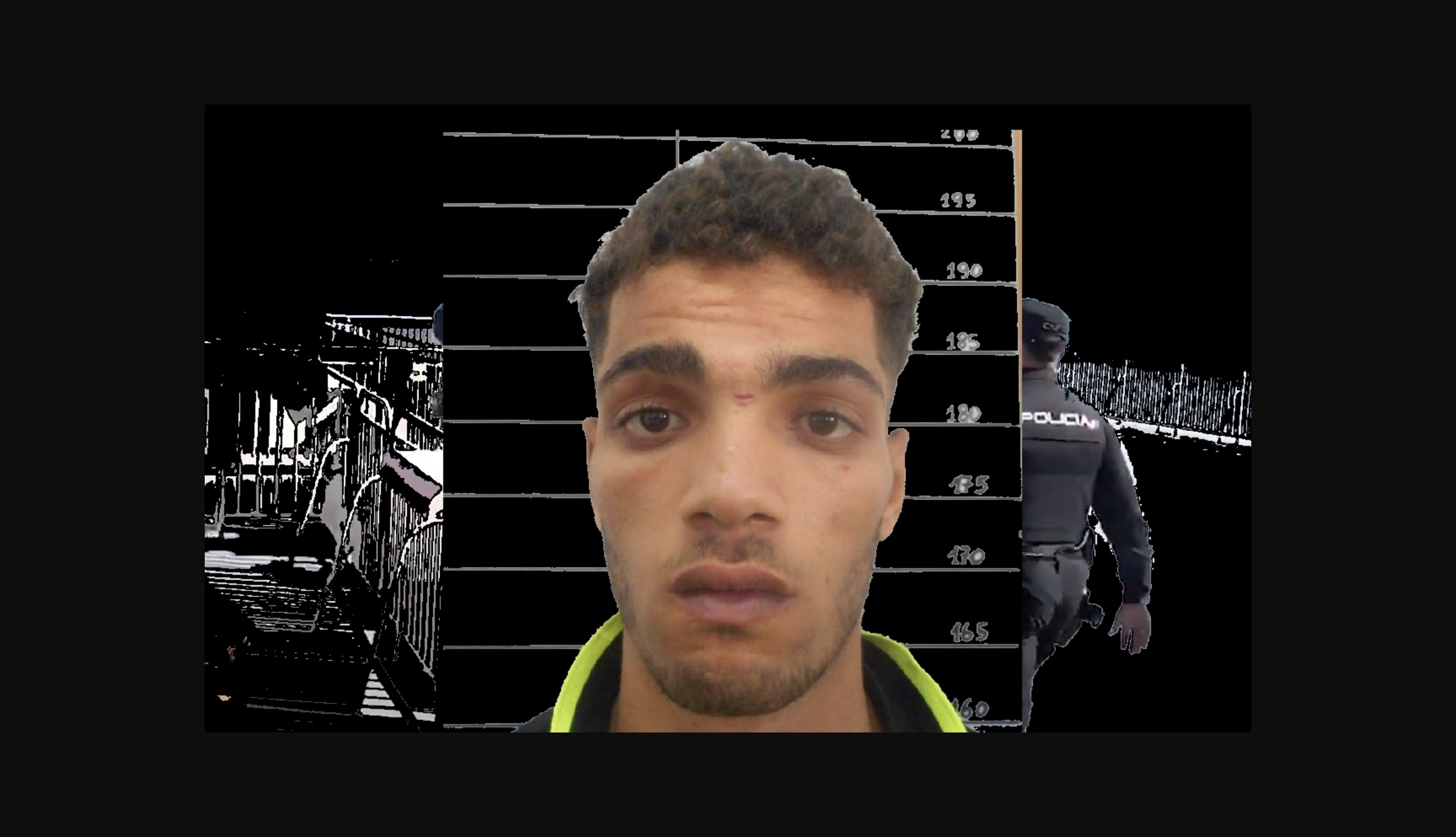
Contenido completo: Yusef Mohamed Lehrech, más conocido como El Pastilla, es un reconocido sicario del Campo de Gibraltar que ganó notoriedad tras su fuga de la prisión de Alcalá Meco y su posterior detención en Alemania por parte de la Udyco Central, todo ello en relación con la presunta comisión de al menos dos asesinatos por encargo. Recientemente, ha sido absuelto de uno de los homicidios que se le imputaban.

El caso en cuestión se refiere al asesinato de un trabajador del puerto de Algeciras, quien, de acuerdo a diversas fuentes, habría sido confundido con otro residente del barrio de El Saladillo, a quien, supuestamente, se le había encargado asesinar en el contexto de la disputa entre clanes de narcotráfico en dicha región. Las facciones en conflicto, lideradas por los alias Piolín y Tayena, terminaron de forma trágica: el propio Pastilla admitió haber asesinado al mencionado Tayena, con quien había colaborado previamente, en un segundo homicidio por el que será juzgado en septiembre.
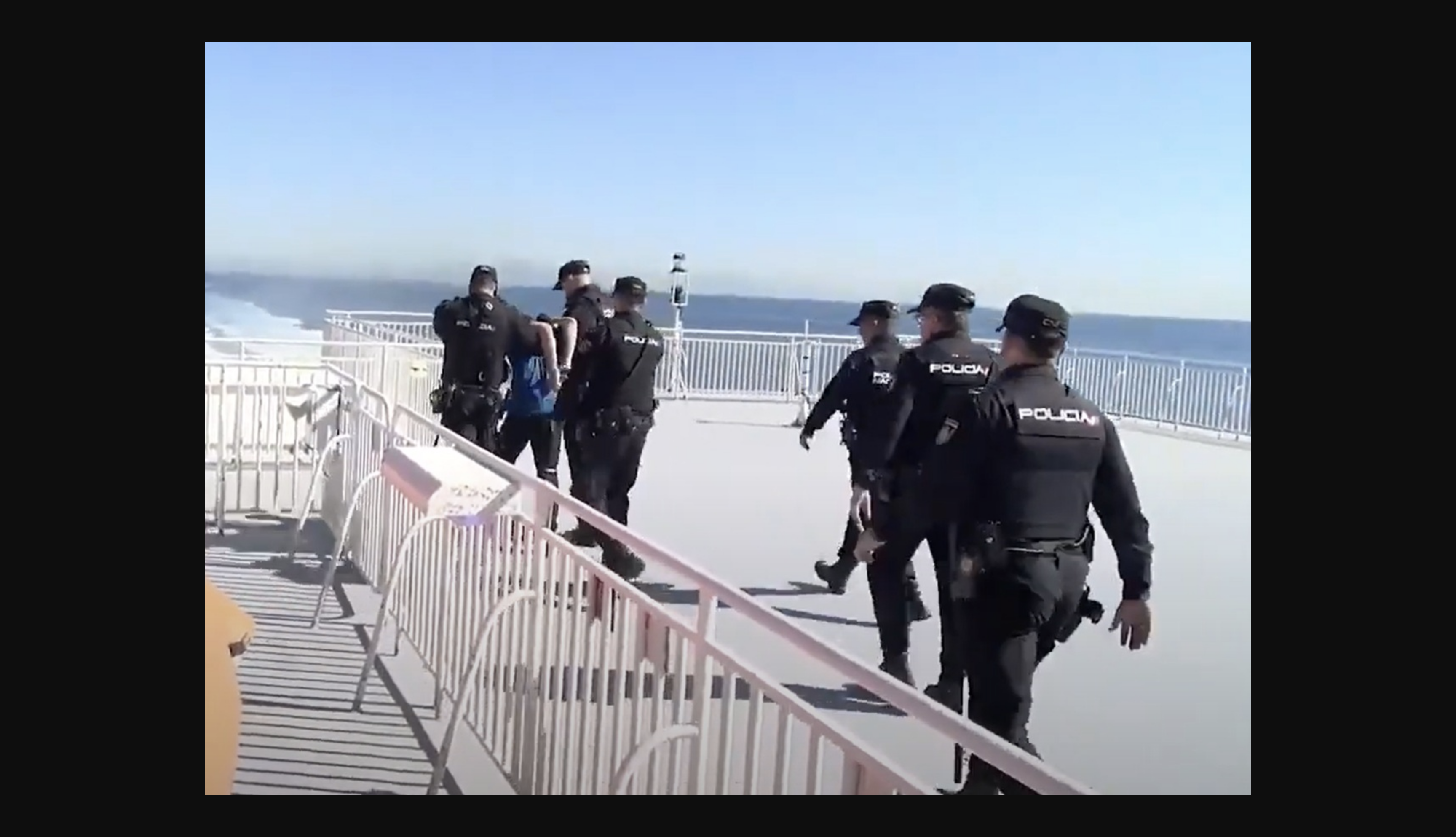
No obstante, la Sala de lo Civil y Penal del Tribunal Superior de Justicia de Andalucía (TSJA) ha adoptado una decisión contraria, revocando la sentencia anterior y absolviendo a El Pastilla, quien había sido condenado a 22 años y 6 meses de prisión por el asesinato ocurrido en octubre de 2022. Esta condena le fue impuesta tras un veredicto de culpabilidad emitido por un jurado popular, que se pronunció por mayoría de siete votos.

En una resolución emitida el 19 de febrero, el TSJA acoge el recurso de apelación interpuesto por la defensa del condenado frente al fallo dictado por la Audiencia Provincial de Cádiz, que había condenado al acusado a 22 años y 6 meses de prisión por un delito de asesinato con alevosía y mediando precio, además de la circunstancia agravante de disfraz.

De esta forma, el TSJA absuelve al procesado al considerar que, en este caso, se ha infringido su derecho a la presunción de inocencia, ya que la condena se sustentó “en un vacío probatorio” y “no se dieron las condiciones necesarias para considerar probada la identificación del acusado por parte de los testigos, quedando únicamente un conjunto de datos circunstanciales (…) que no pueden calificarse como prueba directa ni cumplen con los requisitos propios de la prueba indiciaria”.
La Audiencia de Cádiz había considerado probado que los hechos ocurrieron alrededor de las 22:00 horas del 6 de octubre de 2022, momento en que el acusado se dirigió a una calle específica de Algeciras donde se hallaba la víctima, y “con la intención de poner fin a su vida”, le disparó con una pistola, resultando en el fallecimiento del agredido a las 22:30 horas del mismo día en un centro hospitalario.

Según la sentencia de la Audiencia Provincial, el acusado “asumió el encargo de eliminar” a la víctima “a cambio de una cantidad de dinero” y llevó a cabo los hechos “de manera sorpresiva, disparándole por la espalda, garantizando así el resultado que pretendía al imposibilitar que la víctima se defendiera o pidiera ayuda”. Además, de acuerdo con el veredicto del jurado, el encausado “realizó los hechos vistiendo ropa oscura, usando guantes negros y con la capucha de una sudadera puesta, con el propósito de ocultar su rostro y evitar ser identificado”.

Frente a esto, el TSJA establece que “una persona disparó” contra la víctima el 6 de octubre de 2022 “con la intención de acabar con su vida, causándole la muerte”, sin que haya quedado demostrado que esa persona fuera el acusado.
En este caso, añade, “lo que debe determinarse es si la convicción íntima de siete de los nueve jurados se basó en un material probatorio que deba considerarse suficiente y no si este tribunal comparte su convicción subjetiva o intuición”, de modo que “se trata de determinar si la afirmación de los testigos 1 y 2 en sede policial, respecto a que una fotografía entre varias que se les presentó corresponde a la persona que efectuó los disparos, puede servir como prueba de identificación del autor, tras haber sido ratificada formalmente en el plenario sin haber mediado rueda de reconocimiento en el Juzgado de Instrucción ni haberse realizado identificación visual en el acto del juicio”.

En este sentido, el TSJA manifiesta que “la identificación del autor era, en este caso, especialmente complicada, ya que iba cubierto con una capucha de sudadera “con la intención de ocultar su rostro y evitar ser identificado”, premisa que debe asumirse como un hecho probado y en la que se ha apreciado la concurrencia de una agravante de disfraz.

El TSJA enfatiza que en este caso “existe como dato fundamental el reconocimiento fotográfico del acusado” por parte de dos testigos protegidos, pero “es conocido que el reconocimiento fotográfico en sede policial por un testigo no constituye un medio probatorio, sino un procedimiento apto para iniciar, continuar o redirigir líneas de investigación”, de tal forma que, “para que el reconocimiento tenga valor como prueba testifical (es decir, como prueba directa), es necesario practicar un reconocimiento en rueda con todas las garantías en sede judicial y con la presencia de la defensa, cuyo resultado sí puede ser introducido en el juicio oral como prueba anticipada (dada la dificultad de realizar un reconocimiento en rueda durante el juicio), a menos que, por razones excepcionales, no pudiera llevarse a cabo dicho reconocimiento en rueda”.
A este respecto, el TSJA resalta que “tal exigencia de reconocimiento en rueda es particularmente importante en casos como el presente, donde las condiciones para la identificación son débiles o precarias (ya sea por la escasa visibilidad, o por el hecho de que el autor intentó ocultar su rostro)”. “No cabe duda de que una identificación en esas condiciones, y con la presencia del abogado defensor, proporcionaría, objetivamente, un fundamento de mayor convicción que el mero hecho de identificar una fotografía sin que haya constancia de las circunstancias en que se produjo tal identificación, al no haber presencia judicial ni de la defensa del imputado sobre el que ya existían sospechas”, concluye el TSJA.

El TSJA sostiene que, en este caso, “no se practicó el reconocimiento en rueda, por razones que no han sido explicadas, y sin que se haya puesto en duda que el testigo y el acusado (en situación de prisión provisional por otra causa) estuviesen a disposición judicial para su práctica”.

“No es necesario, en este caso, mencionar que la posibilidad de sustituir el reconocimiento en rueda por la identificación visual directa en juicio debe responder a razones excepcionales que no constan que concurrieran, ni al importante riesgo de contaminación o debilidad epistemológica de tal proceder, porque, como afirma la defensa en su recurso y discuten con ambigüedad las acusaciones al impugnar el recurso, lo cierto es que en el acto del juicio tampoco se llevó a cabo reconocimiento o identificación visual, por la sencilla razón de que los testigos protegidos 1 y 2 declararon por videoconferencia y, según queda constancia en la grabación del juicio, no hubo contacto visual, ya que así lo manifestó la magistrada presidenta al inicio del interrogatorio de ambos, advirtiéndoles de que en cada momento les indicaría quién les estaba interrogando, dado que el testigo no iba a verlos”, expone el TSJA.
Así, y como continúa la sentencia, “lo que hicieron los testigos fue, por tanto, “ratificar” que en sede policial identificaron a una persona, pero una cosa es ratificar un reconocimiento ya efectuado, y otra muy distinta es volver a reconocer, en presencia del jurado y de las partes”, indicando el TSJA que, “por mucho que alguna sentencia parezca asimilar ambas situaciones, o no distinguirlas, lo cierto es que no pueden confundirse, ya que en un caso no hay más que ratificación de una diligencia policial que es reproducible y carece por sí sola de valor probatorio, mientras que en el otro caso se trata de una prueba realizada en presencia judicial y con todas las garantías, susceptible, por tanto, de valoración”.

Título: Escándalo en el Sur de España: se absuelve a El Pastilla del primer asesinato que se le imputaba

Contenido completo: El Tribunal Superior de Justicia de Andalucía (TSJA) ha determinado que en este asunto resulta pertinente aplicar el criterio establecido en dos sentencias del Tribunal Supremo que “sí diferencian con claridad la ratificación del reconocimiento policial y el reconocimiento realizado en el juicio”, razón por la cual el TSJA considera que se ha vulnerado el derecho a la presunción de inocencia del acusado, dado que la condena se fundamenta “en torno a un vacío probatorio” y “por no encontrarse las condiciones necesarias para considerar probada la identificación del acusado por parte de ninguno de los testigos, quedando únicamente un conjunto de datos circunstanciales (…) que no pueden ser categorizados como prueba directa ni satisfacen las exigencias propias de la prueba indiciaria”, por lo que revoca la sentencia condenatoria emitida por la Audiencia de Cádiz y absuelve al imputado.
Controversy in southern Spain: El Pastilla is declared innocent in one of his crimes.

Title: Scandal in Southern Spain: El Pastilla is acquitted of the first of his crimes

Full content: Yusef Mohamed Lehrech, better known as El Pastilla, is a notorious hitman from the Campo de Gibraltar who gained notoriety after his escape from Alcalá Meco prison and his subsequent arrest in Germany by the Udyco Central, all in connection with the alleged commission of at least two contract murders. Recently, he has been acquitted of one of the homicides attributed to him.

The case in question pertains to the murder of a worker at the port of Algeciras, who, according to various sources, was mistakenly identified as another resident of the El Saladillo neighborhood, whom it was allegedly commissioned to kill in the context of the dispute between drug trafficking clans in that region. The conflicting factions, led by the aliases Piolín and Tayena, ended tragically: El Pastilla himself admitted to having killed the aforementioned Tayena, with whom he had previously collaborated, in a second homicide for which he will be tried in September.

However, the Civil and Criminal Chamber of the Superior Court of Justice of Andalusia (TSJA) has made a contrary decision, overturning the previous sentence and acquitting El Pastilla, who had been sentenced to 22 years and 6 months in prison for the murder that occurred in October 2022. This sentence was imposed following a guilty verdict issued by a jury, which voted by a majority of seven votes.

In a ruling issued on February 19, the TSJA accepted the appeal filed by the convicted person's defense against the ruling issued by the Provincial Court of Cádiz, which had sentenced the accused to 22 years and 6 months in prison for a crime of murder with premeditation and for a price, in addition to the aggravating circumstance of disguise.

Thus, the TSJA acquits the defendant, considering that, in this case, his right to the presumption of innocence has been violated, as the conviction was based “on a lack of evidence” and “the necessary conditions to consider the identification of the accused by the witnesses as proven were not met, leaving only a set of circumstantial data (…) that cannot be classified as direct evidence nor meet the requirements of circumstantial evidence.”

The Provincial Court of Cádiz had established that the events occurred around 10:00 PM on October 6, 2022, when the accused went to a specific street in Algeciras where the victim was located, and “with the intention of ending his life,” shot him with a pistol, resulting in the victim's death at 10:30 PM the same day in a hospital.

According to the Provincial Court's ruling, the accused “accepted the commission to eliminate” the victim “in exchange for a sum of money” and carried out the acts “suddenly, shooting him in the back, thereby ensuring the outcome he intended by preventing the victim from defending himself or calling for help.” Furthermore, according to the jury's verdict, the accused “committed the acts wearing dark clothing, using black gloves and with the hood of a sweatshirt on, with the purpose of concealing his face and avoiding identification.”

In contrast, the TSJA establishes that “a person shot” the victim on October 6, 2022 “with the intention of ending his life, causing his death,” without it being proven that this person was the accused.

In this case, it adds, “what must be determined is whether the intimate conviction of seven of the nine jurors was based on evidentiary material that should be considered sufficient and not whether this court shares their subjective conviction or intuition,” so that “it is a matter of determining whether the statement of witnesses 1 and 2 at the police station, regarding a photograph among several presented to them corresponding to the person who fired the shots, can serve as identification evidence of the perpetrator, after having been formally ratified in the plenary without a lineup in the Investigating Court or having conducted a visual identification at the trial.”

In this regard, the TSJA states that “the identification of the perpetrator was, in this case, particularly complicated, as he was covered with a sweatshirt hood “with the intention of concealing his face and avoiding identification,” a premise that must be assumed as a proven fact and in which the presence of an aggravating circumstance of disguise has been appreciated.

The TSJA emphasizes that in this case "there is as a fundamental fact the photographic identification of the accused" by two protected witnesses, but "it is known that the photographic identification at the police station by a witness does not constitute a means of evidence, but rather a procedure suitable for initiating, continuing, or redirecting lines of investigation," so that "for the identification to have value as testimonial evidence (that is, as direct evidence), it is necessary to conduct an identification in a lineup with all guarantees in a judicial setting and with the presence of the defense, the result of which can indeed be introduced in the oral trial as anticipatory evidence (given the difficulty of conducting a lineup during the trial), unless, for exceptional reasons, such a lineup could not be carried out."

In this regard, the TSJA highlights that "such a requirement for a lineup is particularly important in cases like the present one, where the conditions for identification are weak or precarious (either due to poor visibility or because the perpetrator attempted to hide their face)." "There is no doubt that an identification under those conditions, and with the presence of the defense attorney, would objectively provide a basis of greater conviction than the mere fact of identifying a photograph without any record of the circumstances under which such identification occurred, given the absence of judicial presence or the defense of the accused about whom there were already suspicions," concludes the TSJA.

The TSJA argues that, in this case, "the lineup was not conducted, for reasons that have not been explained, and without any doubt that the witness and the accused (in provisional detention for another cause) were available for its practice."

"It is not necessary, in this case, to mention that the possibility of substituting the lineup with direct visual identification in court must respond to exceptional reasons that are not recorded as having occurred, nor to the significant risk of contamination or epistemological weakness of such a procedure, because, as the defense asserts in its appeal and the accusations ambiguously discuss when challenging the appeal, the truth is that during the trial no recognition or visual identification was carried out, for the simple reason that protected witnesses 1 and 2 testified via videoconference and, as recorded in the trial recording, there was no visual contact, as the presiding judge indicated at the beginning of the questioning of both, warning them that at each moment she would indicate who was questioning them, given that the witness was not going to see them," states the TSJA.

Thus, as the ruling continues, "what the witnesses did was, therefore, 'ratify' that they identified a person at the police station, but one thing is to ratify a recognition already made, and another very different thing is to recognize again, in the presence of the jury and the parties," indicating the TSJA that "no matter how much some rulings seem to equate both situations, or fail to distinguish them, the truth is that they cannot be confused, since in one case there is nothing more than ratification of a police procedure that is reproducible and lacks evidentiary value on its own, while in the other case it is evidence conducted in a judicial presence and with all guarantees, therefore subject to evaluation."

Title: Scandal in Southern Spain: El Pastilla is acquitted of the first murder he was accused of

Full content: The Superior Court of Justice of Andalusia (TSJA) has determined that in this matter it is pertinent to apply the criterion established in two rulings of the Supreme Court that "do clearly differentiate the ratification of police recognition and the recognition made in court," which is why the TSJA considers that the right to the presumption of innocence of the accused has been violated, given that the conviction is based "on a lack of evidence" and "due to the absence of the necessary conditions to consider the identification of the accused by any of the witnesses as proven, leaving only a set of circumstantial data (...) that cannot be categorized as direct evidence nor meet the requirements of circumstantial evidence," thus overturning the conviction issued by the Cádiz Court and acquitting the accused.

Controversia en el sur de España: El Pastilla es declarado inocente en uno de sus crímenes. | NarcoObservatorio