NARCOTRÁFICO

Lituanos residenciados en Marbella transportaban cocaína y hachís en camiones hacia Europa del Este.

Redaccion
Lituanos residenciados en Marbella transportaban cocaína y hachís en camiones hacia Europa del Este.
Idioma

Lituanos residenciados en Marbella transportaban cocaína y hachís en camiones hacia Europa del Este.

Título: Ciudadanos lituanos ‘residentes en Marbella’ enviaban cocaína y hachís en camiones a Europa del Este

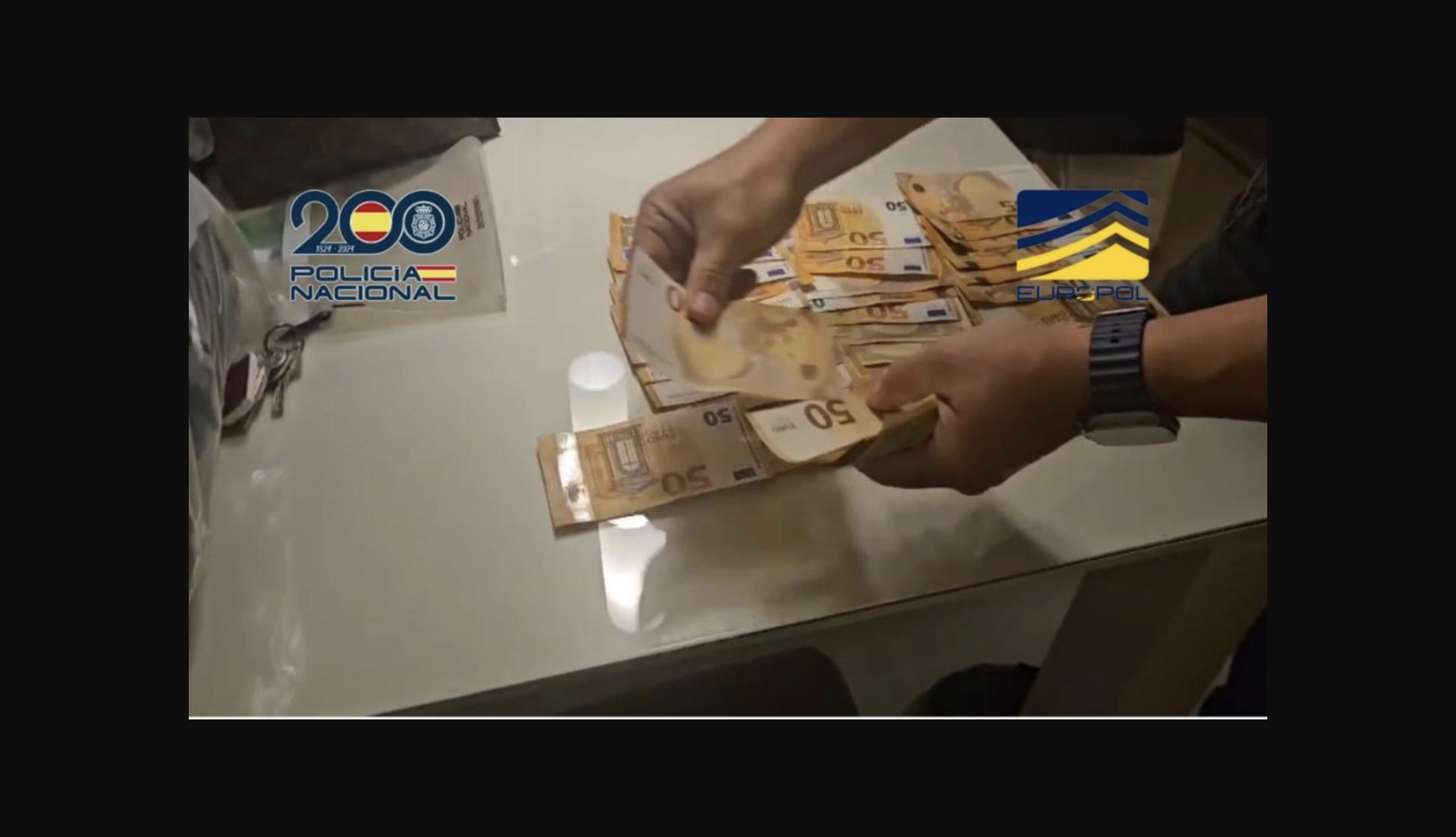
Contenido completo: Casi al mismo tiempo que los Mossos d’Esquadra y la Guardia di Finanza llevaban a cabo una operación contra las organizaciones criminales dedicadas al tráfico de hachís en Barcelona, con destino a países como Italia, la Policía Nacional, en colaboración con Europol, desmantelaba otra significativa red delictiva, en este caso, encabezada por ciudadanos de origen lituano que, establecidos en la Costa del Sol, enviaban diversas clases de drogas, incluyendo tanto hachís como cocaína, hacia diferentes naciones de Europa.

De esta manera, los agentes han logrado desarticular una organización criminal especializada en el almacenaje y el transporte de grandes volúmenes de estupefacientes desde el sur de España hacia naciones del este de Europa. La operación se llevó a cabo en dos fases; en la primera fase se evitó el traslado de casi dos toneladas de hachís y se arrestó a tres individuos, mientras que en la segunda fase se intervinieron 55 kilos de cocaína—tanto en Francia como en España—y se detuvo a cuatro personas, entre las cuales se encontraba el principal cabecilla de la estructura delictiva.
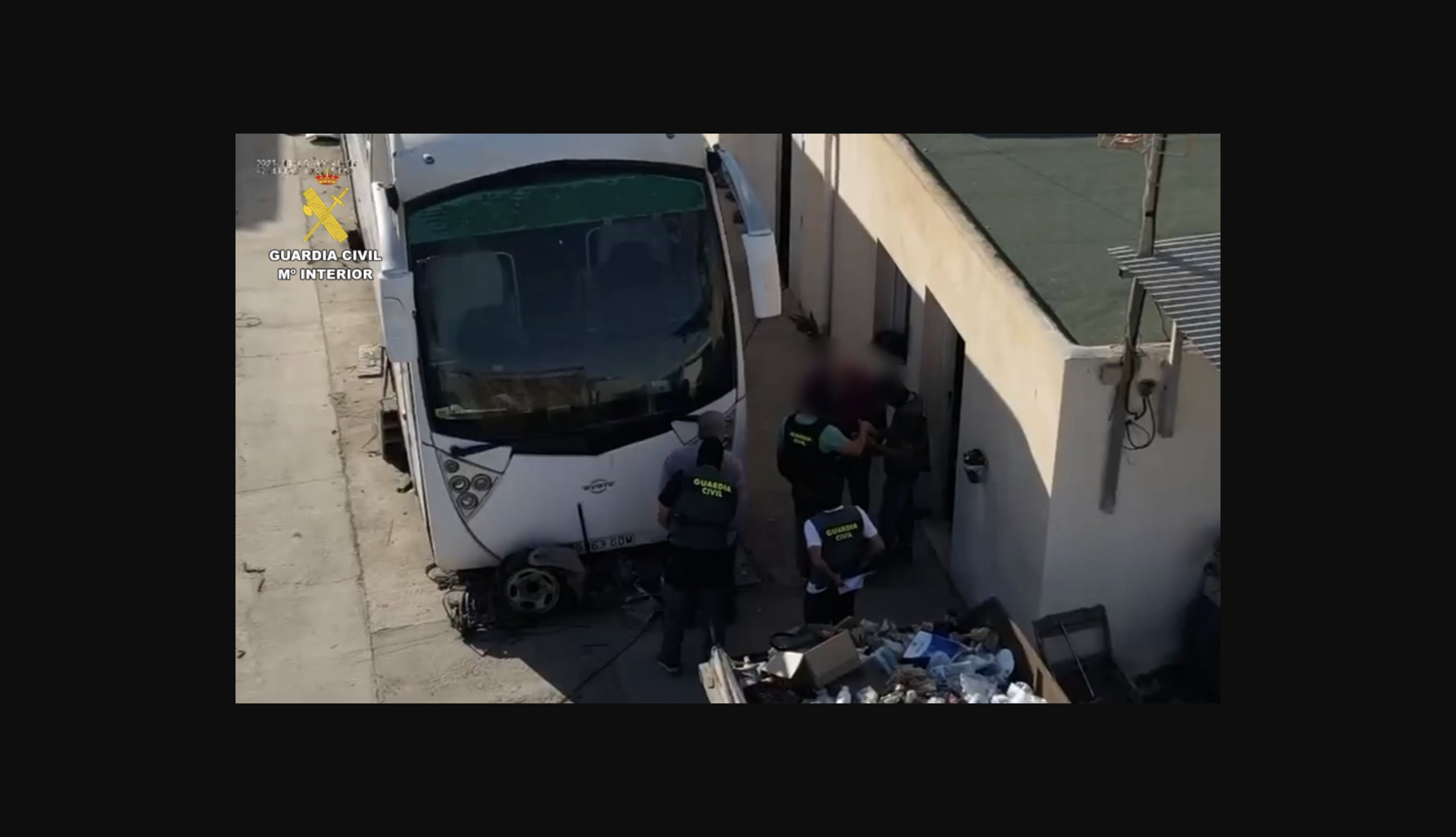
La investigación dio inicio en abril de 2025, momento en el cual los agentes tuvieron conocimiento de la existencia de una red criminal compuesta por individuos de origen lituano, supuestamente dedicada al almacenamiento y transporte de grandes cantidades de estupefacientes. El modus operandi de esta organización consistía en ocultar la droga dentro de mercancías legales que, posteriormente, eran transportadas en camiones desde España hacia diversos países de Europa del Este.

Las primeras indagaciones revelaron que los sospechosos llevaban un estilo de vida extremadamente elevado, residían en viviendas de lujo y conducían vehículos de alta gama, todo ello sin llevar a cabo ninguna actividad laboral. Además, se constató que mantenían reuniones diarias con terceros, relacionados con el mundo del narcotráfico, adoptando siempre rigurosas medidas de seguridad.

Asimismo, conforme avanzaba la investigación, los agentes comprobaron que los miembros de la organización mantenían contacto con un ciudadano español—residente en Granada—quien aparentemente disponía de parte de la logística necesaria para el transporte de la droga desde España hacia países del este de Europa.
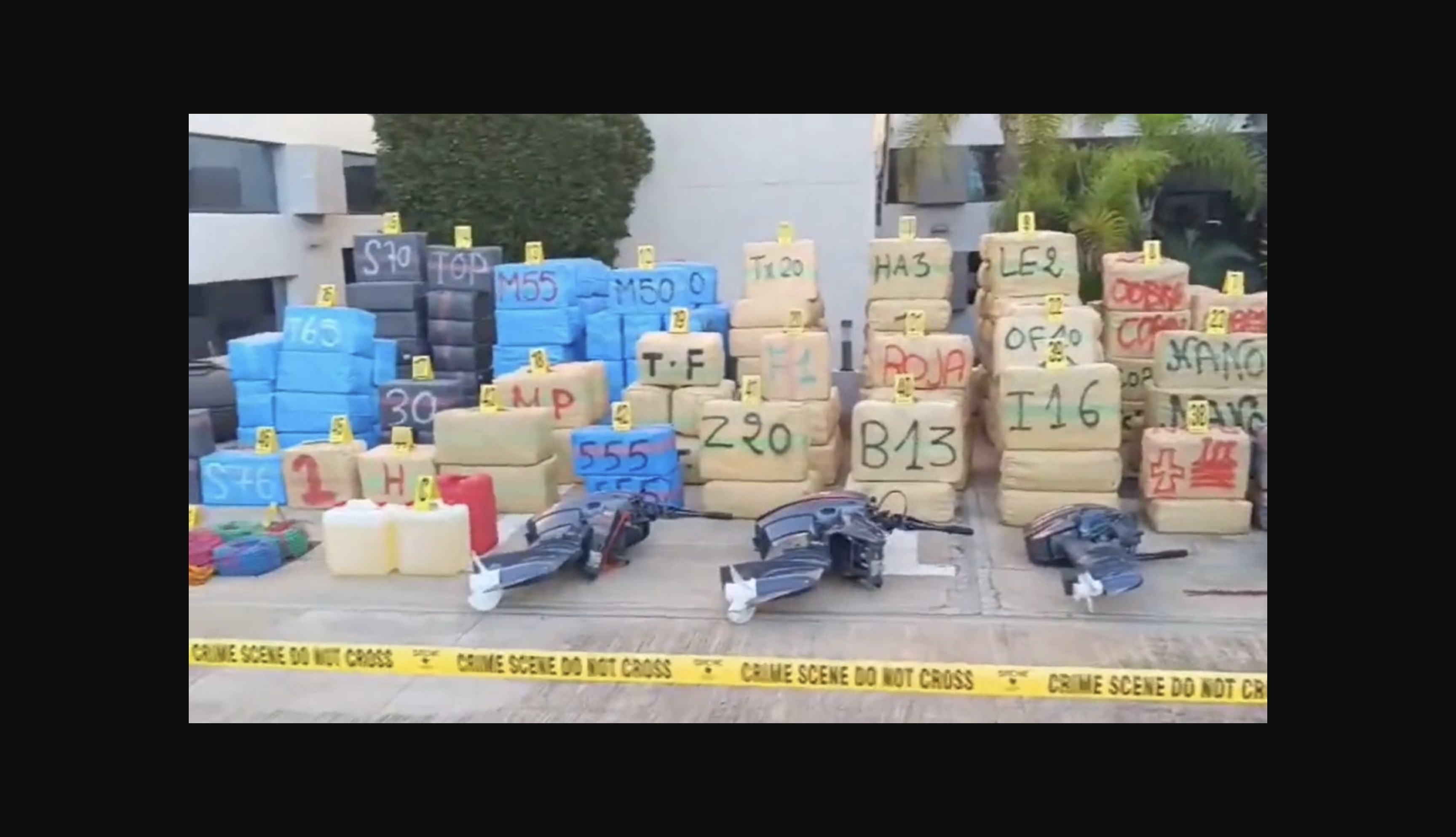
A finales de junio del año pasado, los agentes localizaron a uno de los miembros de la organización en el interior de un recinto ubicado en Alhendín, Granada, donde, supuestamente, se estaba preparando el transporte de una gran cantidad de sustancia estupefaciente que se escondería en palés de ladrillos. Además, como resultado de las gestiones policiales realizadas, verificaron que los investigados manipulaban numerosos palés de ladrillos con el objetivo de ocultar la droga que se encontraba en el interior de varios contenedores marítimos.

Tras observar que varios camiones accedían al lugar y ante la dificultad de controlar todos ellos, los agentes llevaron a cabo un dispositivo policial que permitió evitar el transporte de la sustancia estupefaciente. La rápida intervención policial concluyó con la incautación de 1.837 kilos de hachís y la detención de tres personas.

A finales de septiembre del año anterior, tras un periodo de inactividad de la organización criminal, los agentes comenzaron a notar movimientos de sus miembros que indicaban la posible preparación de un nuevo transporte de estupefacientes. En este sentido, confirmaron que los principales investigados se pusieron en contacto con un conductor de camión de tipo góndola que se encontraba en Marbella, depositando allí uno de los vehículos objeto de la investigación.
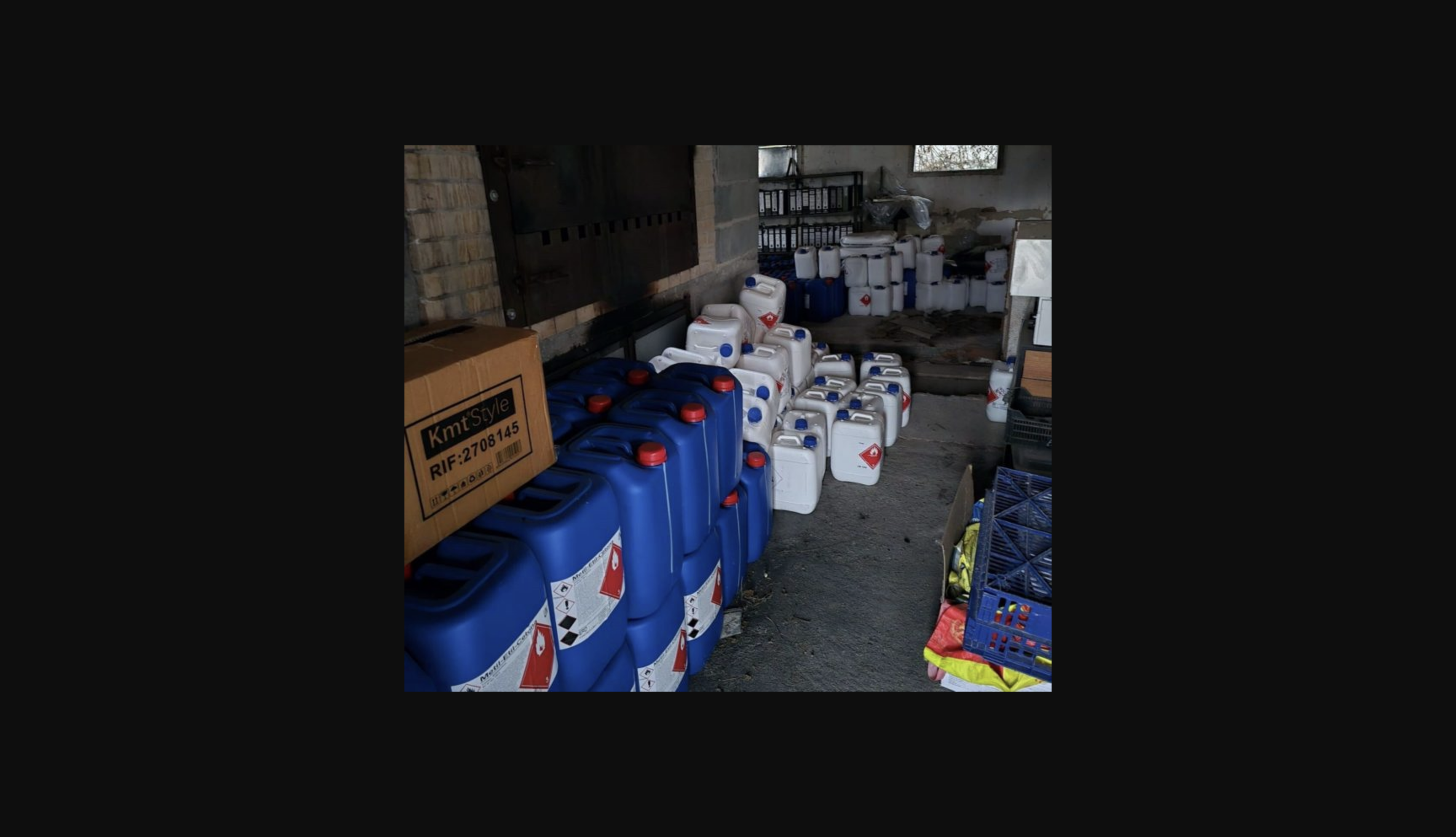
Esto suscitó las sospechas de los agentes sobre la posible existencia de un compartimento oculto (caleta) en dicho vehículo, destinado a ocultar droga, que sería transportada por el camión mencionado, aparentemente dedicado al traslado de vehículos desde España hacia diferentes países de la Unión Europea.

Tras detectar que el camión había iniciado su trayectoria, los agentes comunicaron el desplazamiento a las autoridades francesas que, el 4 de octubre pasado, inspeccionaron el vehículo transportado, confirmando que contenía droga oculta. A raíz de esta inspección, localizaron la caleta en la parte trasera del mismo, constatando que contenía un total de 20 paquetes de cocaína, que arrojaron un peso de 22 kilos de sustancia estupefaciente. Por otro lado, el conductor del camión fue arrestado.

Como consecuencia de estos acontecimientos, los agentes realizaron registros en los domicilios de los principales investigados con el doble propósito de proceder a su arresto y evitar la posible destrucción de pruebas que evidenciaran su implicación en los hechos.
Como resultado de los registros llevados a cabo, se detuvo a tres personas—quienes han ingresado en prisión provisional—entre las que se encuentra el líder de la organización criminal, en cuyo vehículo se intervinieron otros 29 paquetes de cocaína que presentaban el mismo sello identificativo que los confiscados en Francia.

Agentes de la Policía Nacional Española han ejecutado esta operación, alineada con la Estrategia de Seguridad de la Unión Europea en el contexto de la red Enfast. Dicha estrategia se centra en cuatro puntos fundamentales: establecer un entorno de seguridad preparado para el futuro, combatir las amenazas emergentes, proteger a los ciudadanos europeos del terrorismo y la delincuencia organizada, y construir un sólido ecosistema de seguridad europeo.

Lithuanians residing in Marbella were transporting cocaine and hashish in trucks to Eastern Europe.

Title: Lithuanian citizens 'residing in Marbella' were sending cocaine and hashish in trucks to Eastern Europe

Full content: Almost simultaneously with the Mossos d’Esquadra and the Guardia di Finanza carrying out an operation against criminal organizations dedicated to hashish trafficking in Barcelona, destined for countries like Italy, the National Police, in collaboration with Europol, dismantled another significant criminal network, in this case, led by citizens of Lithuanian origin who, based on the Costa del Sol, were sending various types of drugs, including both hashish and cocaine, to different nations in Europe.

In this way, the agents managed to dismantle a criminal organization specialized in the storage and transportation of large volumes of narcotics from southern Spain to Eastern European countries. The operation was carried out in two phases; in the first phase, the transfer of nearly two tons of hashish was prevented, and three individuals were arrested, while in the second phase, 55 kilograms of cocaine were seized—both in France and Spain—and four people were detained, including the main leader of the criminal structure.

The investigation began in April 2025, at which point the agents became aware of the existence of a criminal network composed of individuals of Lithuanian origin, allegedly dedicated to the storage and transportation of large quantities of narcotics. The modus operandi of this organization consisted of hiding the drugs within legal goods that were subsequently transported in trucks from Spain to various countries in Eastern Europe.

The initial inquiries revealed that the suspects led an extremely high lifestyle, residing in luxury homes and driving high-end vehicles, all without engaging in any work activity. Additionally, it was confirmed that they held daily meetings with third parties related to the drug trafficking world, always adopting strict security measures.

As the investigation progressed, the agents verified that the members of the organization maintained contact with a Spanish citizen—resident in Granada—who apparently had part of the logistics necessary for transporting the drugs from Spain to Eastern European countries.

At the end of June last year, the agents located one of the members of the organization inside a facility located in Alhendín, Granada, where, allegedly, preparations were being made for the transport of a large quantity of narcotic substance that would be hidden in pallets of bricks. Furthermore, as a result of the police actions taken, they verified that the suspects were manipulating numerous pallets of bricks with the aim of concealing the drugs located inside several shipping containers.

After observing that several trucks were entering the site and given the difficulty of monitoring all of them, the agents carried out a police operation that prevented the transport of the narcotic substance. The swift police intervention concluded with the seizure of 1,837 kilograms of hashish and the arrest of three individuals.

At the end of September of the previous year, after a period of inactivity of the criminal organization, the agents began to notice movements of its members indicating the possible preparation of a new drug transport. In this regard, they confirmed that the main suspects contacted a gondola truck driver who was in Marbella, depositing one of the vehicles subject to investigation there.

This raised the agents' suspicions about the possible existence of a hidden compartment (caleta) in that vehicle, intended to conceal drugs, which would be transported by the mentioned truck, apparently dedicated to the transfer of vehicles from Spain to different countries in the European Union.

After detecting that the truck had begun its journey, the agents communicated the movement to the French authorities who, on October 4, inspected the transported vehicle, confirming that it contained hidden drugs. Following this inspection, they located the caleta in the rear of the vehicle, confirming that it contained a total of 20 packages of cocaine, weighing 22 kilograms of narcotic substance. On the other hand, the truck driver was arrested.

As a result of these events, the agents carried out searches at the homes of the main suspects with the dual purpose of proceeding with their arrest and preventing the possible destruction of evidence that would demonstrate their involvement in the events.

As a result of the searches carried out, three individuals were arrested—who have been placed in provisional detention—among whom is the leader of the criminal organization, in whose vehicle another 29 packages of cocaine were seized that bore the same identifying mark as those confiscated in France.

Agents of the Spanish National Police have executed this operation, aligned with the European Union's Security Strategy in the context of the Enfast network. This strategy focuses on four fundamental points: establishing a security environment prepared for the future, combating emerging threats, protecting European citizens from terrorism and organized crime, and building a robust European security ecosystem.

Lituanos residenciados en Marbella transportaban cocaína y hachís en camiones hacia Europa del Este. | NarcoObservatorio