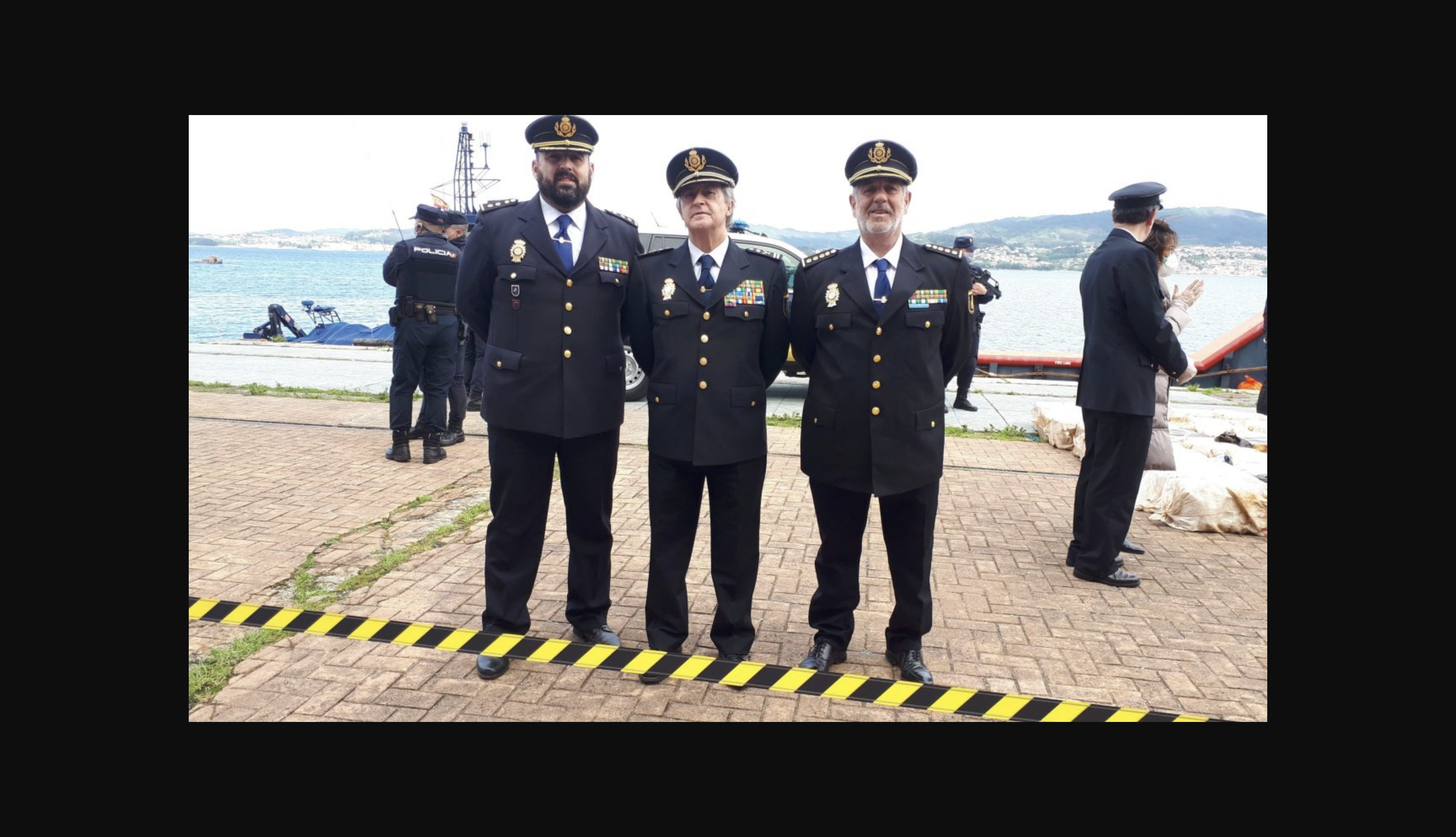
NARCOTRÁFICO

2011-2016: Los cargamentos del Cártel de Los Soles y el retorno de Sito Miñanco

Redaccion
2011-2016: Los cargamentos del Cártel de Los Soles y el retorno de Sito Miñanco
Idioma

2011-2016: Los cargamentos del Cártel de Los Soles y el retorno de Sito Miñanco

Título: 2011-2016: Los alijos del Cártel de Los Soles y el regreso de Sito Miñanco

Contenido completo: Nos situamos en el año 2011. La cocaína continuó su entrada en España a través de Galicia, pero los éxitos de las operaciones Tabaiba y Giga impactaron considerablemente en la infraestructura de los clanes que dominaban su introducción por medio de la ría de Arousa. No obstante, al otro lado del Atlántico, no pensaban en detenerse, especialmente en Venezuela.

Este país, al compás del ritmo dictado por los generales corruptos del chavismo que se enriquecían como lanzadera de la droga de las FARC y el ELN, comenzó a despachar embarcaciones fluviales o en mal estado que, partiendo del Delta del Orinoco, se acercaban a Galicia para entregar la droga a lanchas rápidas. El primer caso conocido fue el del San Miguel, que sirvió para procesar (sin éxito, ya que acabaron absueltos) a los dos grandes presuntos mirlos blancos del narcotráfico de las Rías Baixas, Costiña y El Pastelero, pero muchos otros, como el Pacífico y posteriormente el Riptide, siguieron un recorrido similar, estableciendo relaciones estrechas entre algunos de los líderes del narcotráfico en Galicia, quienes habían asumido el relevo de los antiguos clanes, y los sudamericanos.
Resulta igualmente importante la acción policial que permitió descubrir las actividades del sargento de la Guardia Civil de Corcubión, quien dominaba A Costa da Morte al servicio de las organizaciones que enviaban droga en mercantes.

En la última etapa de este quinquenio, alrededor del año 2016, se produjo una noticia que transformaría el escenario. José Ramón Prado Bugallo, conocido como Sito Miñanco, regresaba al tablero de juego. Se encontraba en régimen de semilibertad y pronto fue identificado en Galicia en compañía de uno de sus hombres de mayor confianza, Fran Pérez Rivas, en actitudes más que sospechosas. En esa misma época, cuando residía oficialmente en Algeciras (donde debía acudir al CIS), comenzó a operar en el entorno de Marbella. Este fue el inicio de la operación Mito.

Regresando al año 2012, los Greco Galicia llevaron a cabo la operación Esparta. En el marco de una investigación que también implicó al conocido capo vilagarciano Manuel Prado López, el sargento de la Guardia Civil de Corcubión fue detenido.
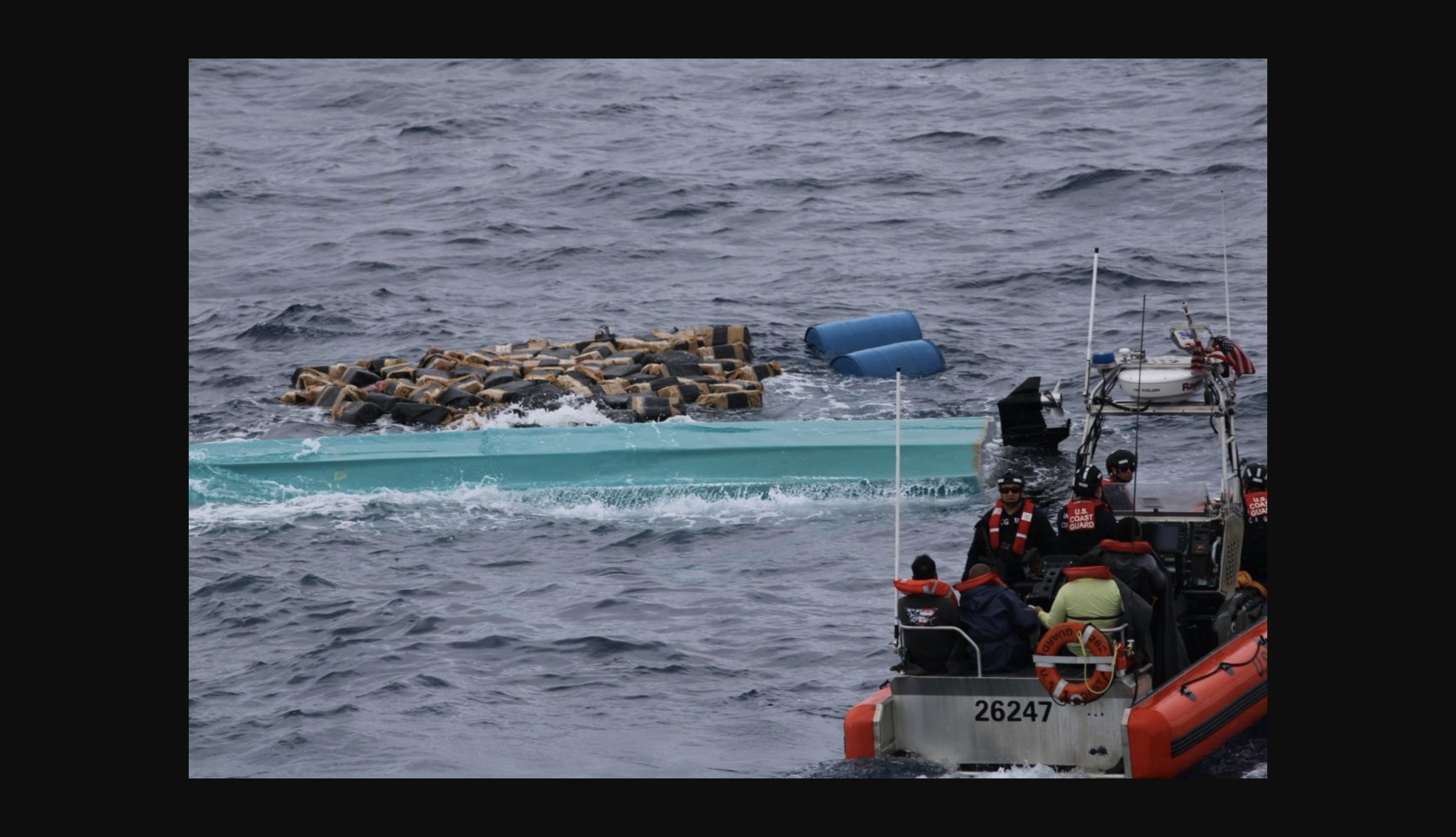
La organización, que operaba desde Madrid a instancias de un grupo cercano a los hermanos Vélez (un conocido cártel colombiano), incluía la introducción de un alijo de alrededor de tres toneladas de cocaína que viajaron a bordo de un mercante y que iban a ser trasladadas a la Costa da Morte para su posterior distribución en España. La operación resultó en la detención de 33 personas en Galicia, Madrid, Cádiz y Bulgaria (país de origen del mercante SV Nikolay que fue apresado), y sirvió para desmantelar una de las rutas de entrada de cocaína que, en la actualidad, siguen siendo más difíciles de interceptar para los investigadores: la Costa da Morte. La organización conocida como ‘Os Lulús’ continúa siendo, supuestamente, la que domina este negocio. La orografía de la región y la naturaleza de sus habitantes representan un gran obstáculo para los agentes del Greco Galicia.

En esta zona, según las sospechas de los agentes policiales, se están introduciendo alijos en la actualidad por diversas vías, incluyendo una muy mediática: el narcosubmarino.

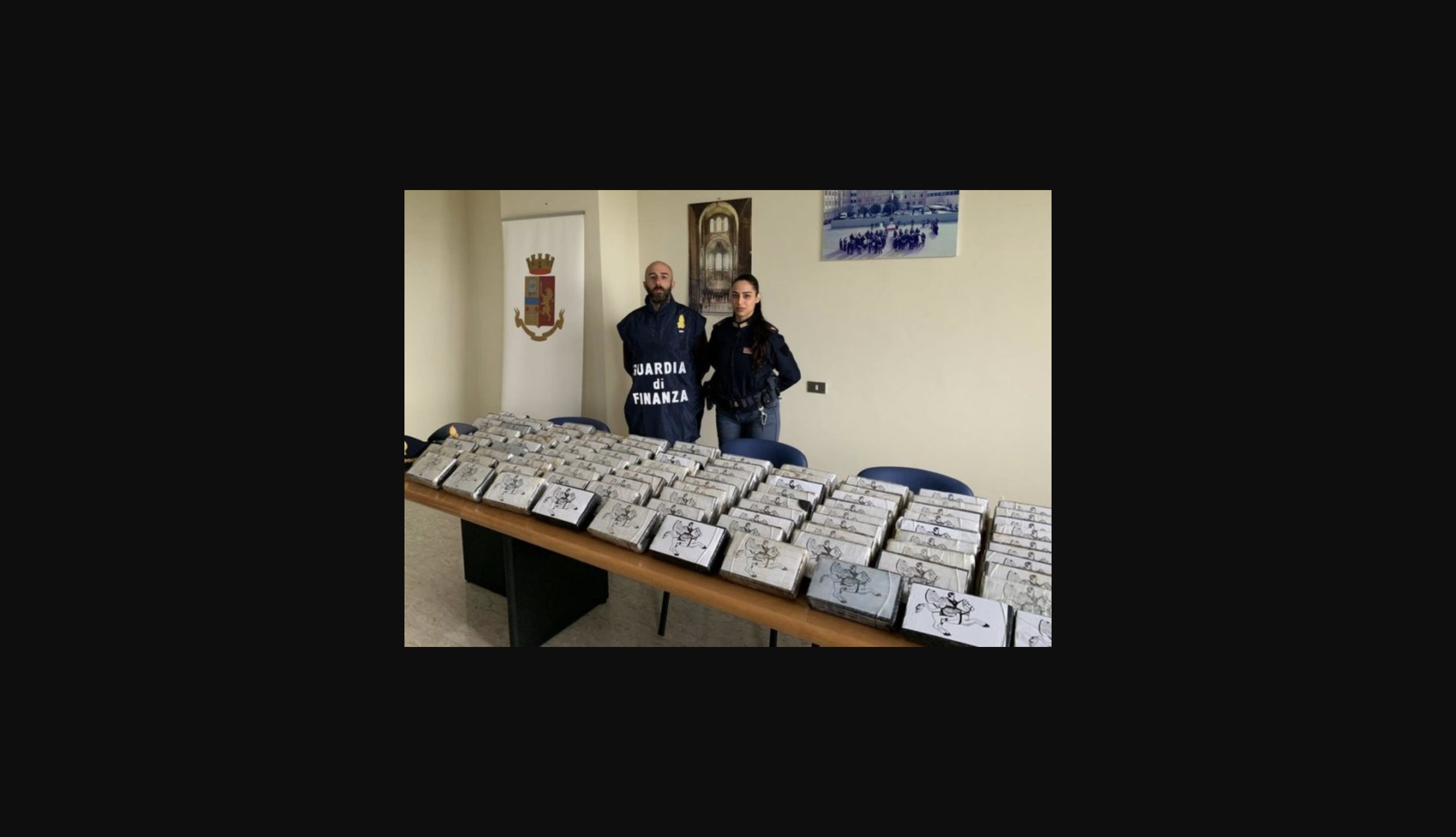
Sin embargo, la mayor aprehensión de cocaína de la primera parte de la década pasada se produjo en el pesquero pirata Riptide en mayo de 2013. El Greco recurrió a los GEO e incluso a la Armada y al Ejército del Aire para apresar la embarcación, que llegó días más tarde a las Rías Baixas.
El fiscal Antidroga, Luis Uriarte, dirigió un juicio que resultó en la condena de todos los procesados. Entre ellos, destacó el vilagarciano Marcos Vigo, líder del grupo, y sus colaboradores más cercanos: Antonio Carballa y José Luis Viñas Morgade, apodado Manzanita.

La vista oral, que tuvo lugar en la Audiencia Provincial de Pontevedra, también condujo a la condena del enlace de la organización venezolana en Galicia, quien fue arrestado en Santiago de Compostela y contaba con un vecino de la ciudad del Lérez como apoyo.

Un nombre que surgió durante las investigaciones, pero que finalmente logró evitar el procesamiento, fue el de Ramiro Vázquez Roma, quien fue detenido pero finalmente exonerado.
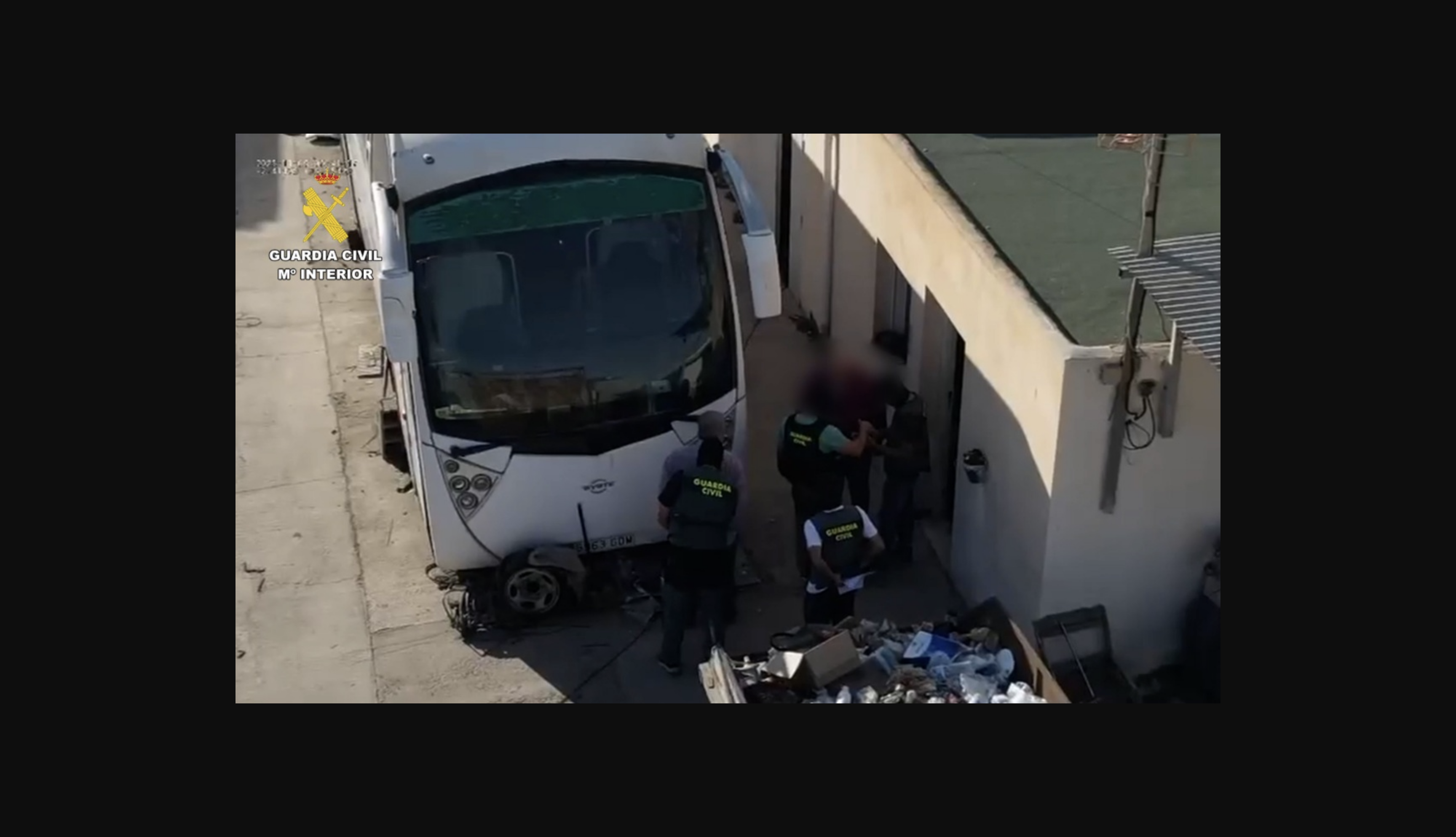
Esta investigación demostró de manera contundente algo que se había apreciado desde años atrás: las conexiones directas entre gallegos y venezolanos para los grandes alijos de cocaína.

Otro operativo que tuvo lugar en el quinquenio 2011-2016 y que involucró a uno de los clanes más destacados de las Rías Baixas fue la operación Kalesa. En este caso, los agentes del Greco siguieron los pasos de Yolanda Charlín, sobrina de Manuel Charlín, hasta un inmueble apartado en las cercanías de Valladolid.

En tierras castellanoleonesas y con el supuesto apoyo de su pareja sentimental, de nacionalidad hondureña, y de otro vilagarciano, contaban con un laboratorio dedicado al procesamiento de heroína que obtenían mediante acuerdos con ciudadanos turcos que, a su vez, la adquirían en Afganistán. Según los investigadores, el destino era el mercado gallego. En total, entre el registro de la vivienda de Fuensaldaña (Valladolid) y el vehículo de Los Charlines que regresaba a Galicia, aparentemente hacia la zona de Cambados, fueron incautados 20 kilos de heroína, otros tanto de morfina y 75 kilos de precursores. Años después de la operación y tras recursos ante el Supremo, la famosa líder de la red, su esposo y su principal colaborador recibieron sentencias que rozaron los siete años de cárcel.
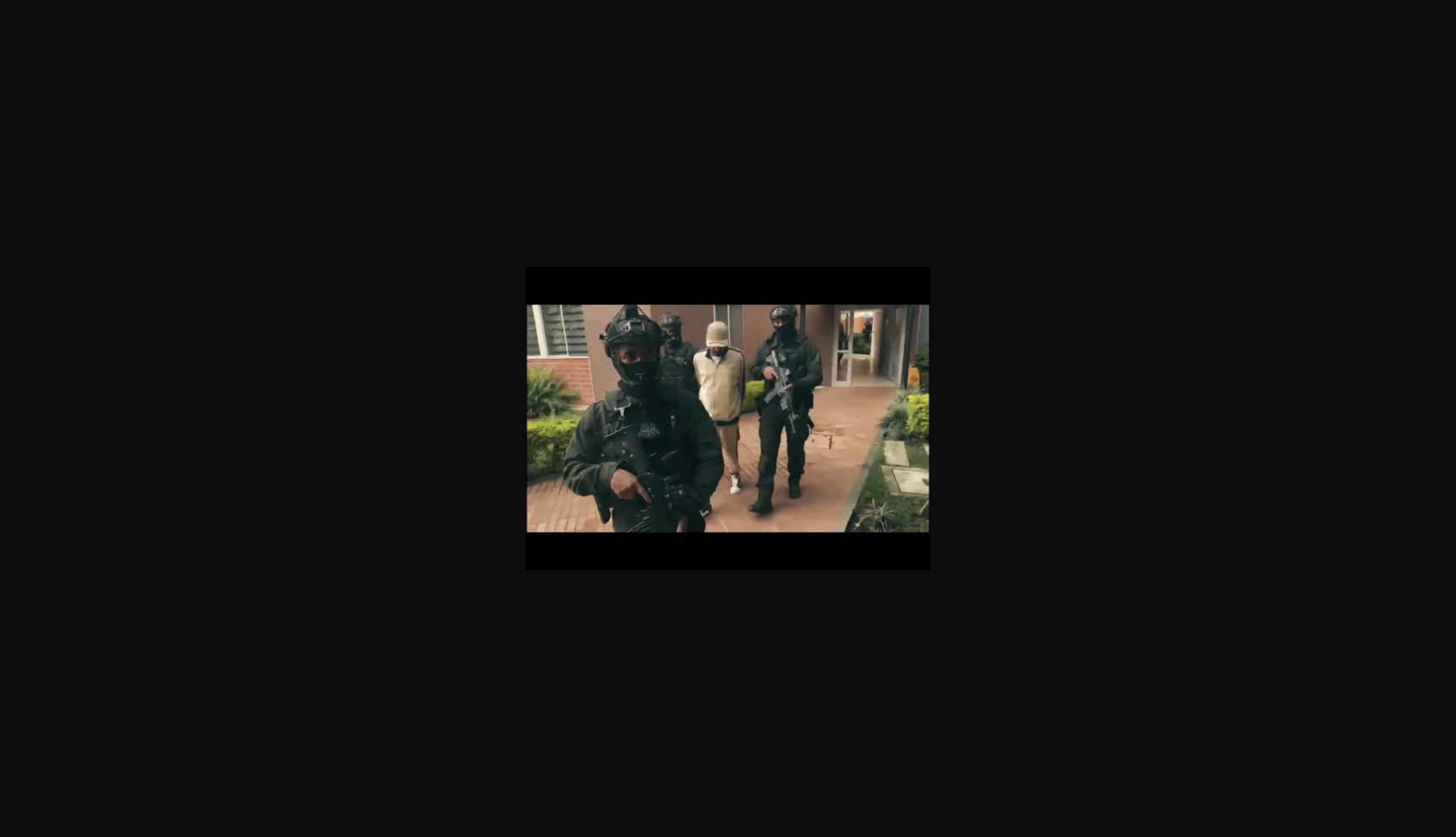
La llegada de la heroína a España sigue teniendo a día de hoy a la provincia de Pontevedra como un escenario clave, tal como lo atestiguan acciones recientes, tanto de los Greco como de la Udyco. La droga llega directamente desde Países Bajos por carretera y, en 2026, las Rías Baixas continúan siendo uno de los principales puntos de entrada y almacenamiento, de los más significativos de la Península Ibérica.

2011-2016: The shipments of the Cartel of the Suns and the return of Sito Miñanco

Title: 2011-2016: The Drug Shipments of the Cartel de Los Soles and the Return of Sito Miñanco

Full Content: We find ourselves in the year 2011. Cocaine continued to enter Spain through Galicia, but the successes of operations Tabaiba and Giga significantly impacted the infrastructure of the clans that dominated its introduction via the Ría de Arousa. However, on the other side of the Atlantic, they had no intention of stopping, especially in Venezuela.

This country, in tune with the rhythm dictated by the corrupt generals of Chavismo who were enriching themselves as a launchpad for the drugs of the FARC and the ELN, began to dispatch riverine or dilapidated vessels that, departing from the Delta of the Orinoco, approached Galicia to deliver the drugs to speedboats. The first known case was that of the San Miguel, which served to prosecute (unsuccessfully, as they were ultimately acquitted) the two major alleged kingpins of drug trafficking in the Rías Baixas, Costiña and El Pastelero, but many others, such as the Pacífico and later the Riptide, followed a similar route, establishing close relationships between some of the drug trafficking leaders in Galicia, who had taken over from the old clans, and the South Americans.

The police action that allowed the discovery of the activities of the sergeant of the Civil Guard of Corcubión, who dominated A Costa da Morte in service of the organizations that sent drugs in merchant vessels, is also equally important.

In the last stage of this five-year period, around the year 2016, news emerged that would transform the scene. José Ramón Prado Bugallo, known as Sito Miñanco, was returning to the game board. He was in a semi-liberty regime and was soon identified in Galicia in the company of one of his most trusted men, Fran Pérez Rivas, in more than suspicious attitudes. At that same time, when he was officially residing in Algeciras (where he had to report to the CIS), he began to operate in the Marbella area. This marked the beginning of operation Mito.

Returning to the year 2012, the Greco Galicia carried out operation Esparta. As part of an investigation that also implicated the well-known Vilagarcía capo Manuel Prado López, the sergeant of the Civil Guard of Corcubión was arrested.

The organization, which operated from Madrid at the behest of a group close to the Vélez brothers (a well-known Colombian cartel), included the introduction of a shipment of around three tons of cocaine that traveled aboard a merchant vessel and was to be transferred to the Costa da Morte for subsequent distribution in Spain. The operation resulted in the arrest of 33 people in Galicia, Madrid, Cádiz, and Bulgaria (the country of origin of the merchant SV Nikolay that was seized), and served to dismantle one of the cocaine entry routes that are currently among the most difficult for investigators to intercept: the Costa da Morte. The organization known as 'Os Lulús' continues to allegedly dominate this business. The topography of the region and the nature of its inhabitants pose a significant obstacle for the agents of Greco Galicia.

In this area, according to the suspicions of the police agents, shipments are currently being introduced through various means, including a very media-friendly one: the narco-submarine.

However, the largest cocaine seizure of the first part of the last decade occurred on the pirate fishing vessel Riptide in May 2013. The Greco resorted to the GEO and even to the Navy and the Air Force to capture the vessel, which arrived days later in the Rías Baixas.

Anti-Drug Prosecutor Luis Uriarte directed a trial that resulted in the conviction of all the defendants. Among them, the Vilagarcía native Marcos Vigo, leader of the group, and his closest collaborators: Antonio Carballa and José Luis Viñas Morgade, nicknamed Manzanita, stood out.

The oral hearing, which took place in the Provincial Court of Pontevedra, also led to the conviction of the link of the Venezuelan organization in Galicia, who was arrested in Santiago de Compostela and had a neighbor from the city of Lérez as support.

A name that emerged during the investigations, but ultimately managed to avoid prosecution, was that of Ramiro Vázquez Roma, who was arrested but ultimately exonerated.

This investigation conclusively demonstrated something that had been noted for years: the direct connections between Galicians and Venezuelans for large cocaine shipments.

Another operation that took place during the 2011-2016 five-year period and involved one of the most prominent clans of the Rías Baixas was operation Kalesa. In this case, Greco agents followed the trail of Yolanda Charlín, niece of Manuel Charlín, to a remote property near Valladolid.

In the lands of Castile and León and with the supposed support of her partner, a Honduran national, and another person from Vilagarcía, they had a laboratory dedicated to processing heroin that they obtained through agreements with Turkish citizens who, in turn, acquired it in Afghanistan. According to investigators, the destination was the Galician market. In total, between the search of the residence in Fuensaldaña (Valladolid) and the vehicle from Los Charlines that was returning to Galicia, apparently towards the area of Cambados, 20 kilos of heroin, the same amount of morphine, and 75 kilos of precursors were seized. Years after the operation and following appeals to the Supreme Court, the infamous leader of the network, her husband, and her main collaborator received sentences that approached seven years in prison.

The arrival of heroin in Spain continues to have the province of Pontevedra as a key scenario to this day, as evidenced by recent actions from both the Greco and Udyco. The drug arrives directly from the Netherlands by road and, in 2026, the Rías Baixas continue to be one of the main entry and storage points, among the most significant in the Iberian Peninsula.

2011-2016: Los cargamentos del Cártel de Los Soles y el retorno de Sito Miñanco | NarcoObservatorio