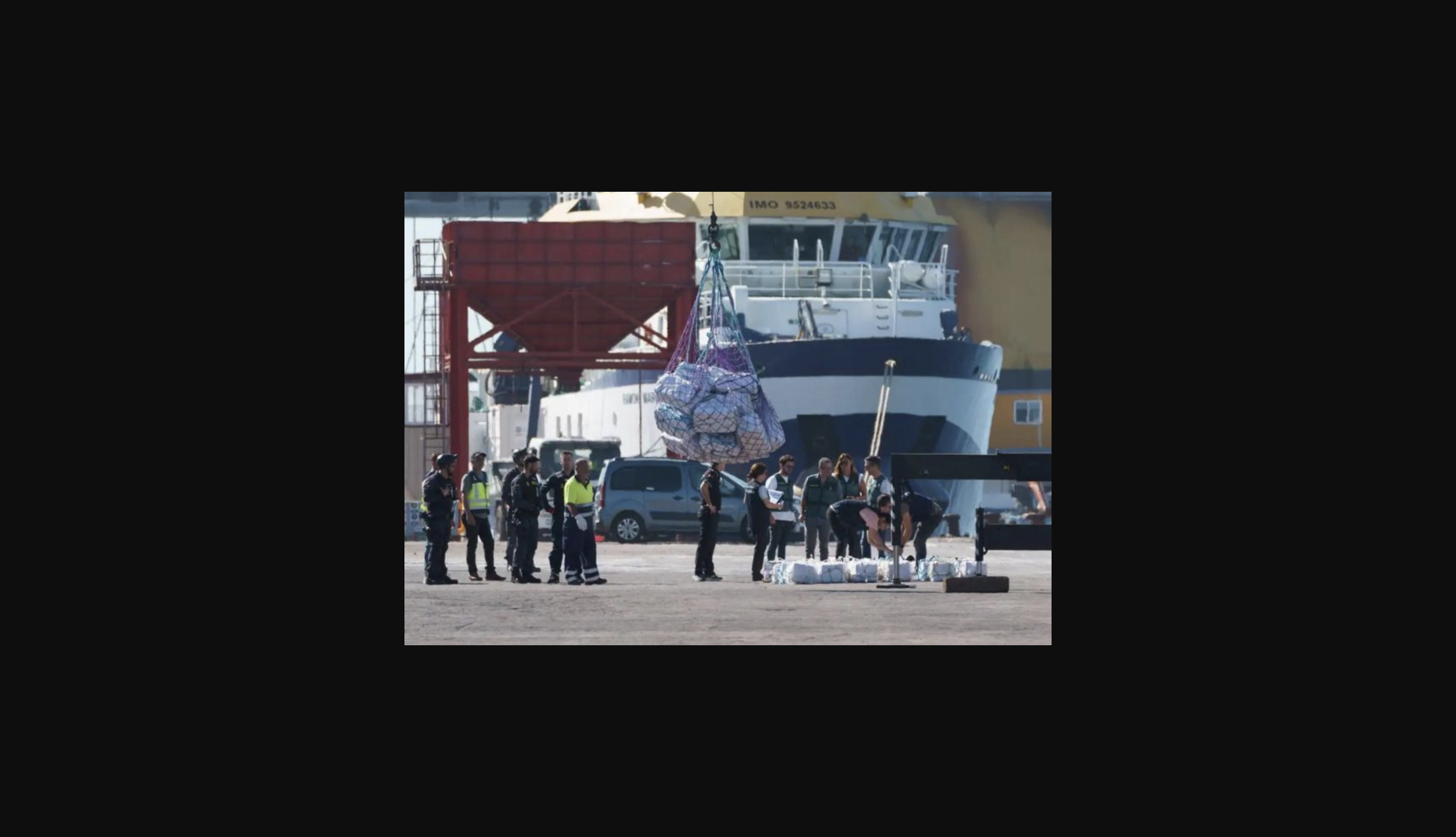
NARCOTRÁFICO

Sentenciados por trasladar 2.400 kilos de cocaína en una inusual narcolancha

Redaccion
Sentenciados por trasladar 2.400 kilos de cocaína en una inusual narcolancha
Idioma

Sentenciados por trasladar 2.400 kilos de cocaína en una inusual narcolancha

Título: Condenados por el transporte de 2.400 kilos de cocaína en una inusual narcolancha

Contenido completo: Nunca antes había sido avistada una embarcación de esta índole, ni se ha vuelto a observar posteriormente. El casco, así como los flotadores situados en los laterales, podrían corresponder al de una planeadora de uso habitual, similar a las narcolanchas que operan en el sur de España y en el océano Atlántico. No obstante, la cubierta contaba con una cabina que ofrecía mayor confort a los tripulantes y, además, resguardaba la carga ilícita de las inclemencias meteorológicas. A bordo se encontraban dos individuos de nacionalidad francesa que fueron interceptados junto a un cargamento de más de 2.400 kilos de cocaína en el océano, navegando en dirección a la Península Ibérica. Finalmente, fueron desviados hacia la isla de Tenerife.

Conforme avanza el fallo judicial, el día 2 de diciembre, uno de los patrulleros del Servicio de Vigilancia Aduanera de la Agencia Tributaria, en una embarcación que contaba también con la presencia de miembros de la Guardia Civil de Pontevedra y de la Udyco Central de la Policía, zarpó en dirección al punto en el que se suponía que navegaba la lancha sospechosa.
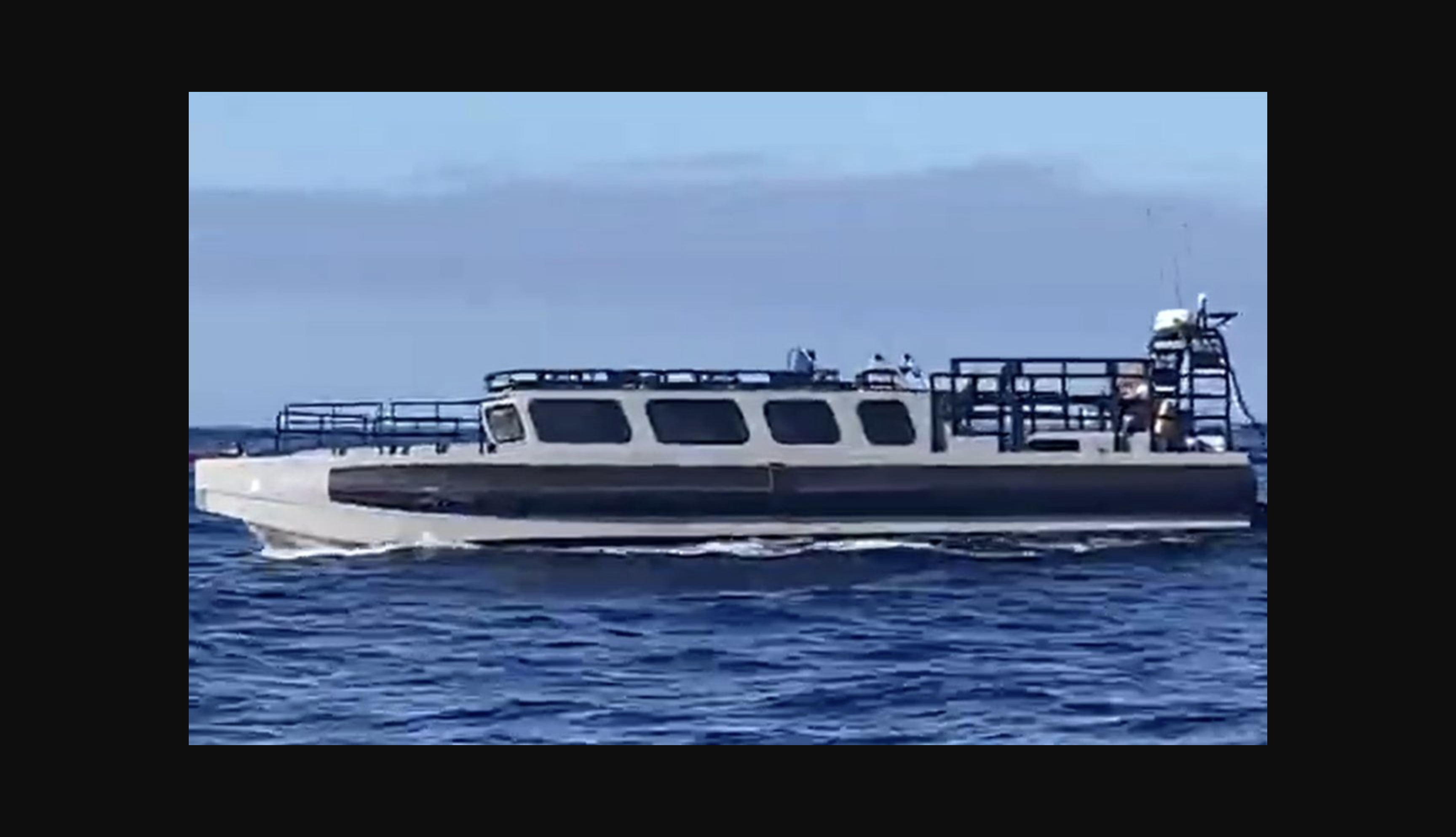
Así, tras establecer el correspondiente operativo naval y en la madrugada del día 6, los agentes confirmaron que la embarcación se dirigía hacia el noreste, es decir, en dirección a la Península Ibérica, por lo que el buque de Aduanas se colocó al lado de la lancha para solicitarle la documentación pertinente. Los funcionarios, sorprendidos por las características de la embarcación, comprobaron que solo había a bordo dos tripulantes, ambos de nacionalidad francesa. Una vez que accedieron a la lancha, verificaron la existencia de bultos a simple vista, dentro de la cabina, dado que este tipo de lancha semirrígida no dispone de caletas.

En total, los agentes confirmaron que se trataba de 86 fardos de cocaína con un peso aproximado de dos toneladas y media. Por lo tanto, tras contactar con las autoridades de Polonia, el país bajo cuya bandera supuestamente navegaba la embarcación, aunque se demostró que la documentación era falsa, se procedió al abordaje y al traslado tanto del barco como de los tripulantes, quienes ya habían sido arrestados, a España.

Los informes del EDOA de Pontevedra revelaron que el destino de la droga era la Península, aunque no lograron desvelar el punto de descarga ni identificar de manera clara a la organización receptora del cargamento. Se estimó que el valor de la droga intervenida ascendía a unos 85 millones de euros y los dos detenidos han permanecido en prisión desde entonces.

Durante la vista oral, de manera preliminar, el fiscal solicitó para cada uno de los acusados una pena de once años de prisión, lo que inicialmente generó la disconformidad de la representación legal de los mismos. Tras la presentación de pruebas, que incluyó declaraciones de, entre otros, el entonces capitán del EDOA de Pontevedra y un miembro de la Udyco Central, los dos investigados optaron por reconocer los hechos que se les imputaban. Gracias a este reconocimiento, el Ministerio Fiscal decidió reducir sus pretensiones y fijó la solicitud de condena para ambos en ocho años de prisión, pena que la Audiencia Nacional consideró adecuada para dictar sentencia.

Una de las particularidades que se destacó durante el juicio fue el hecho de que, dadas las características de la embarcación y la gran cantidad de fardos que transportaba en su interior, los dos tripulantes dormían, literalmente, sobre la cocaína durante los días que duró su travesía marítima clandestina.

Sentenced for transporting 2,400 kilos of cocaine in an unusual narco boat.

Title: Sentenced for the transport of 2,400 kilos of cocaine in an unusual narco boat

Full content: Never before had a vessel of this kind been sighted, nor has it been observed again since. The hull, as well as the floats located on the sides, could correspond to that of a typical speedboat, similar to the narco boats operating in southern Spain and the Atlantic Ocean. However, the deck featured a cabin that provided greater comfort for the crew and also protected the illicit cargo from the elements. On board were two individuals of French nationality who were intercepted along with a shipment of more than 2,400 kilos of cocaine in the ocean, sailing towards the Iberian Peninsula. They were ultimately diverted to the island of Tenerife.

As the judicial ruling progresses, on December 2, one of the patrol boats from the Customs Surveillance Service of the Tax Agency, in a vessel that also included members of the Civil Guard of Pontevedra and the Udyco Central of the Police, set sail towards the point where the suspicious boat was believed to be navigating.

Thus, after establishing the corresponding naval operation and in the early hours of the 6th, the agents confirmed that the vessel was heading northeast, that is, towards the Iberian Peninsula, prompting the Customs ship to position itself alongside the boat to request the relevant documentation. The officials, surprised by the characteristics of the vessel, found that there were only two crew members on board, both of French nationality. Once they boarded the boat, they verified the existence of packages visible from the cabin, given that this type of rigid-hulled boat does not have compartments.

In total, the agents confirmed that there were 86 bales of cocaine weighing approximately two and a half tons. Therefore, after contacting the authorities of Poland, the country under whose flag the vessel was supposedly sailing, although it was proven that the documentation was false, the boarding and transfer of both the boat and the crew, who had already been arrested, to Spain was carried out.

Reports from the EDOA of Pontevedra revealed that the destination of the drug was the Peninsula, although they were unable to uncover the unloading point or clearly identify the receiving organization of the shipment. The value of the seized drugs was estimated at around 85 million euros, and the two detainees have remained in prison since then.

During the oral hearing, preliminarily, the prosecutor requested an eleven-year prison sentence for each of the accused, which initially generated discontent from their legal representation. After the presentation of evidence, which included statements from, among others, the then-captain of the EDOA of Pontevedra and a member of the Udyco Central, the two defendants chose to acknowledge the facts attributed to them. Thanks to this acknowledgment, the Public Prosecutor's Office decided to reduce its demands and set the sentence request for both at eight years in prison, a penalty that the National Court deemed appropriate to issue a ruling.

One of the peculiarities highlighted during the trial was the fact that, given the characteristics of the vessel and the large number of bales it was transporting inside, the two crew members literally slept on the cocaine during the days of their clandestine maritime journey.

Sentenciados por trasladar 2.400 kilos de cocaína en una inusual narcolancha | NarcoObservatorio